
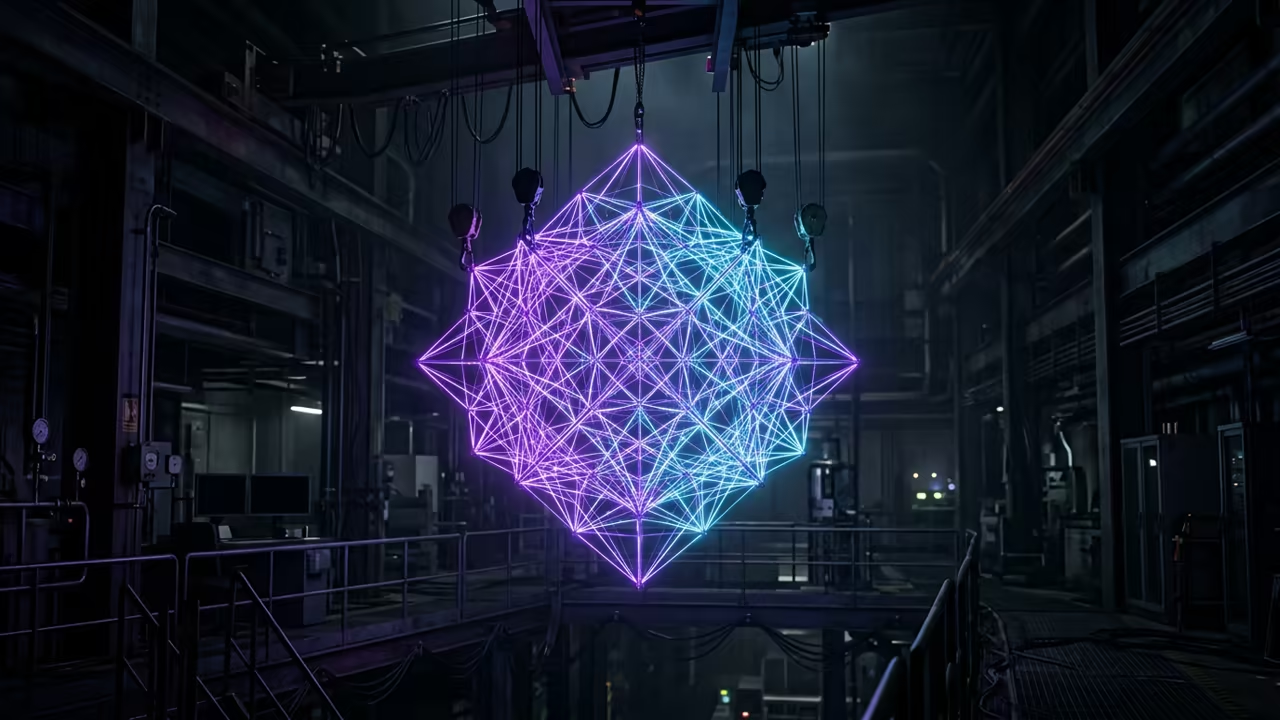
The AI Materials Revolution
Stop treating chemistry as a game of luck. The laboratory is now a compiler for the physical world.
We are moving from decades of failure to weeks of precision. This is the AI materials revolution.
Disclaimer: I may earn a commission from purchases made through these links at no extra cost to you.


Architecting the Discovery Pipeline
I have spent fifteen years as a Senior Systems Architect and Technical Lead. I build high performance computing stacks for complex molecular simulations.
My work focuses on the intersection of quantum mechanics and scalable AI. I have deployed thousands of GPUs for materials screening.
The old way of discovering materials relied on brute force. Researchers spent years testing a few dozen candidates in a lab.
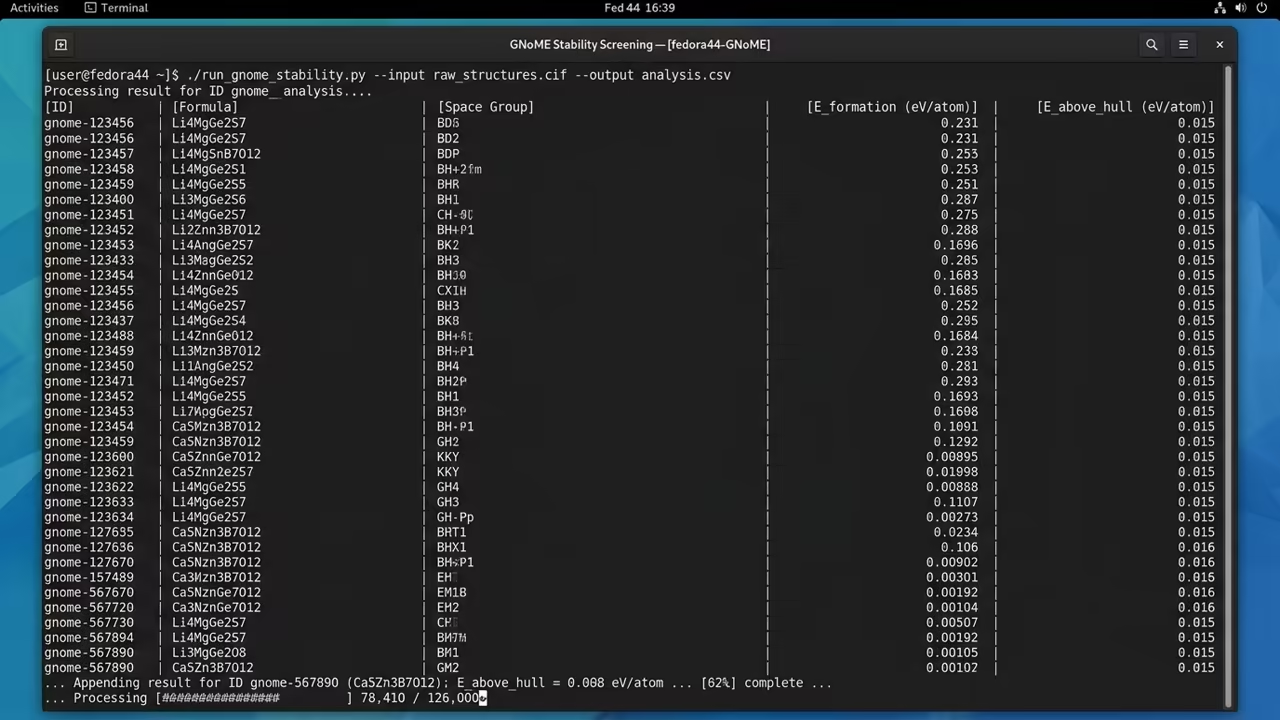
Now we use generative models like GNoME and MatterGen. These tools screen millions of crystal structures in a few days.
The secret weapon is the Machine Learning Interatomic Potential. We call these MLIPs for short in the industry.
Tools like MACE and CHGNet replace expensive quantum calculations. They provide DFT accuracy at a fraction of the cost.
This allows us to run geometry relaxations in milliseconds. We can now explore the entire chemical space rapidly.
The Pursuit of Room Temperature Superconductors
Look at the progress in room temperature superconductivity. We recently saw ambient pressure records hit 151 Kelvin.
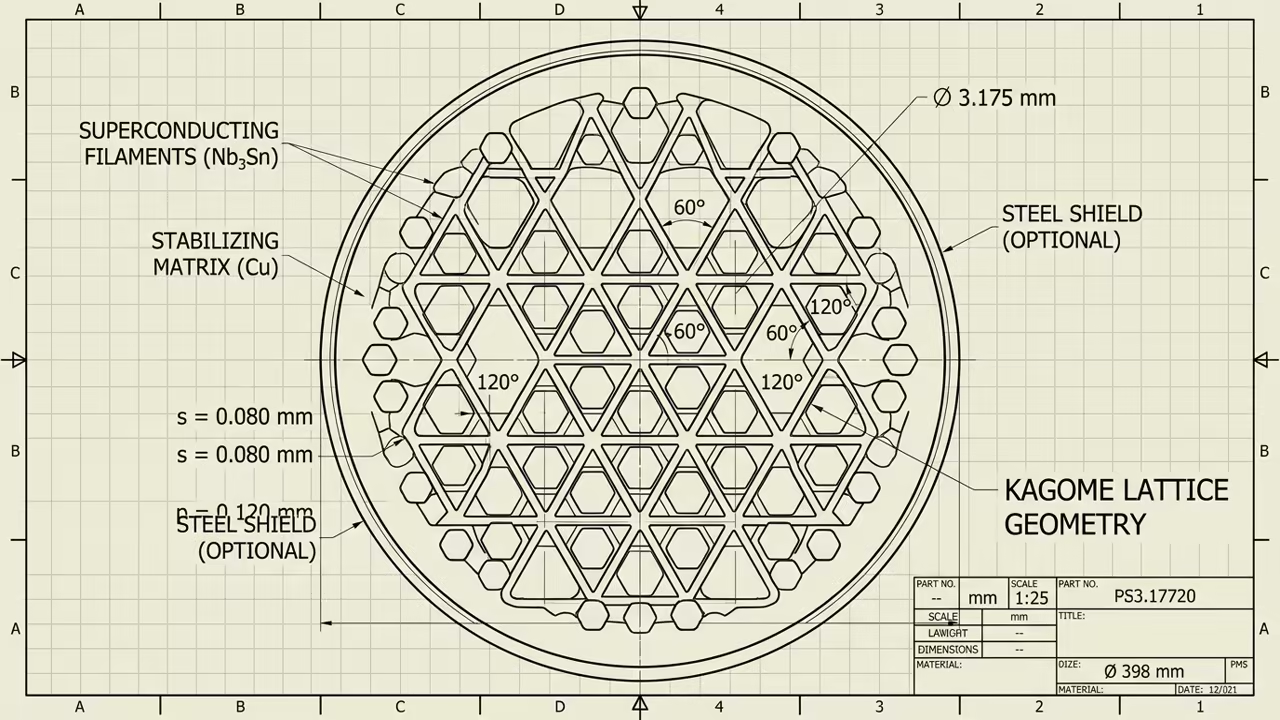
AI is now targeting the holy grail of zero resistance. The SuperC project uses quantum geometry to find these materials.
We are no longer guessing which elements to mix together. AI predicts the exact kagome lattice needed for stability.
Next Generation Carbon Capture
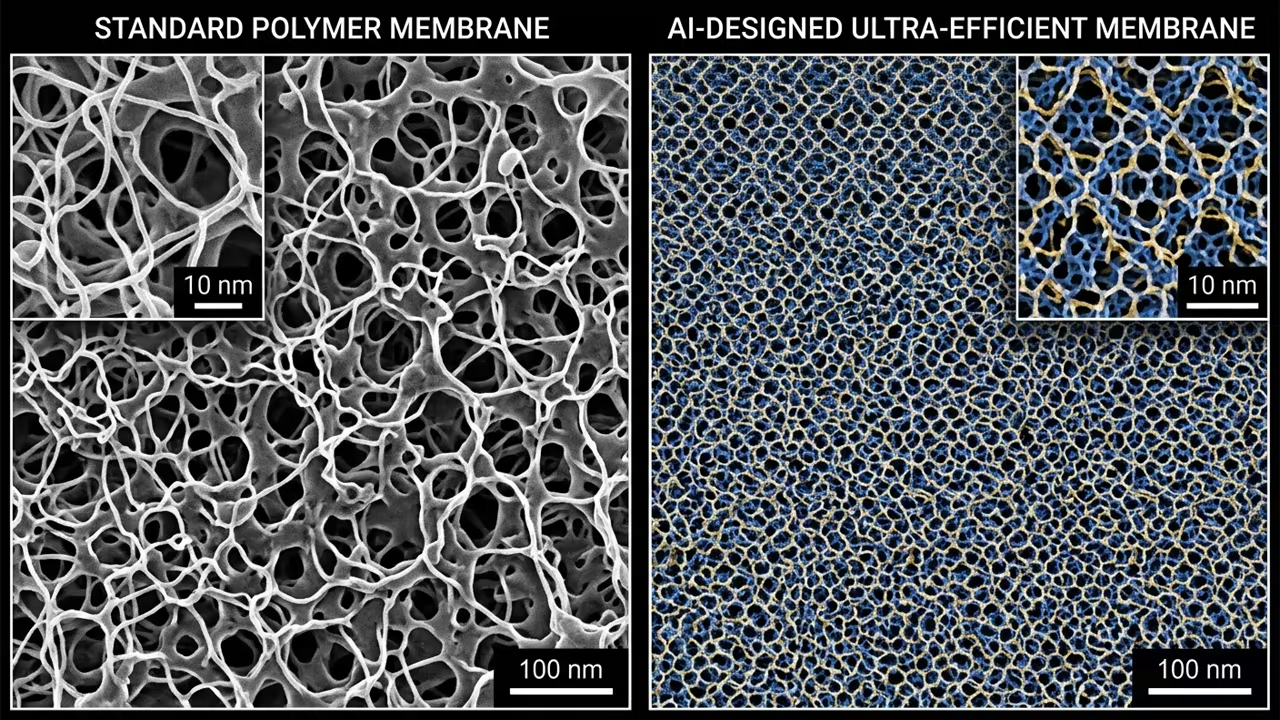
Carbon capture is seeing a similar explosion in efficiency. We are designing polymers that break the famous Robeson bound.
Inverse molecular design allows us to target specific gas permeability. This makes carbon capture from air finally viable.
The Autonomous Lab Ecosystem
Autonomous labs are the final piece of the puzzle. Robots now synthesize AI predicted compounds without human intervention.
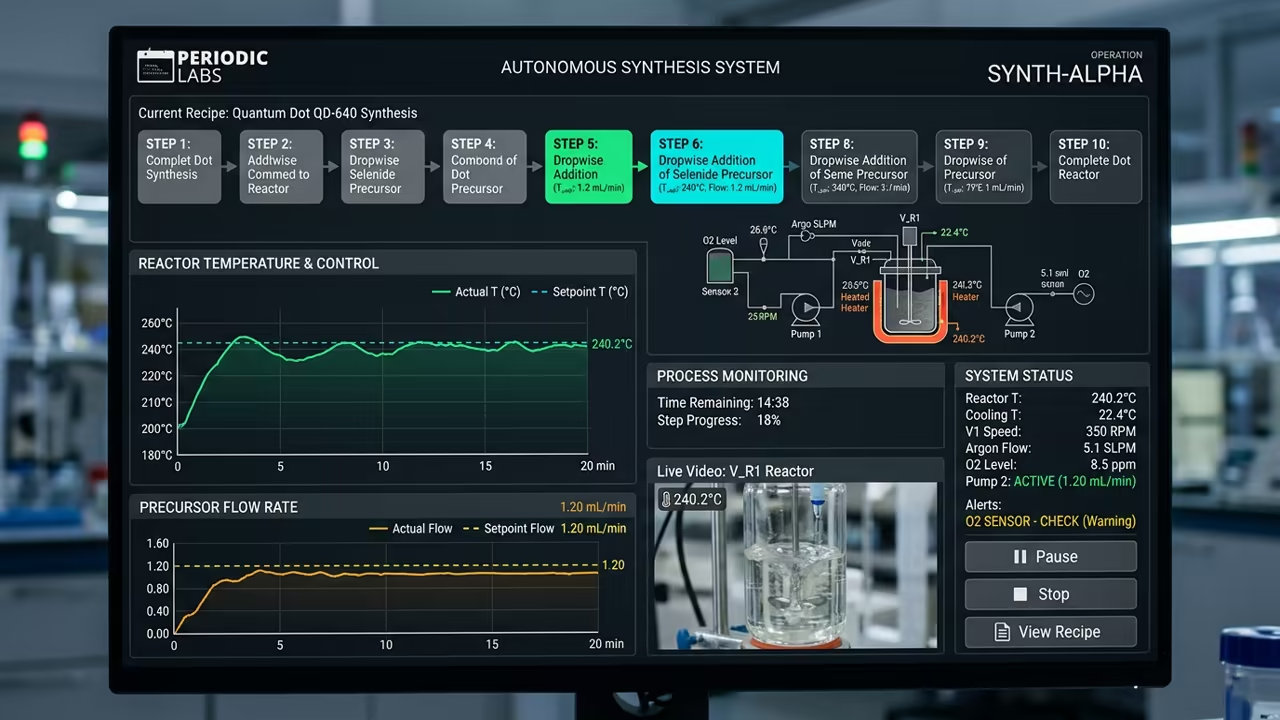
Platforms from Periodic Labs create a closed loop system. The AI predicts and the robot validates in real time.
This loop shrinks the discovery cycle from years to weeks. It is a fundamental shift in how we build things.
For those building these pipelines hardware choice is critical. You must balance training speed with simulation accuracy.
| Parameter | GPUs | TPUs | QPUs |
|---|---|---|---|
| Primary Workload | Parallel Deep Learning | Hyperscale Tensor Math | Quantum Simulation |
| Maturity | Production Ready | Cloud Centric | Research Stage |
| Flexibility | High Flexibility | Moderate Flexibility | Narrow Application |
| Parameter | GPUs | TPUs | QPUs |
Hardware Optimization for Materials AI
Here is a technical configuration tip for your stack. Deploy your geometry relaxations using the NVIDIA ALCHEMI Toolkit.
This keeps the simulation resident on GPU memory. This strategy eliminates critical host to device data bottlenecks.
You will see a massive increase in throughput. This is essential for screening millions of candidate crystals.
Professional Implementation Support
Mastering these pipelines requires deep knowledge of crystal graph networks. Join our technical deep dive series to learn more.
We provide direct support for implementing MLIP surrogate engines. Our team helps you scale from DFT to AI.
Online Tutorials and Technical Help: https://ojambo.com/contact
🚀 Recommended Resources
Disclosure: Some of the links above are referral links. I may earn a commission if you make a purchase at no extra cost to you.
Leave a Reply