

Global Trade Collapses Under Geopolitical Shifts
Global trade currently collapses under the weight of sudden geopolitical shifts. Human managers react too slowly to port closures or sudden trade embargoes.
This latency creates billions in losses and empty shelves during every single crisis.
Disclaimer: I may earn a commission from purchases made through these links at no extra cost to you.


The Experience of Autonomous Trade
Imagine watching a global dashboard as a major shipping lane closes instantly. Within seconds thousands of autonomous agents negotiate new routes and contracts.
You feel the sheer power of a system that thinks faster than any boardroom.
The Architecture of Multi Agent Orchestration
This transition depends on a shift toward multi agent orchestration models. These systems move beyond simple automation into the realm of true agency.
They coordinate using event driven architectures to maintain a constant state of readiness.
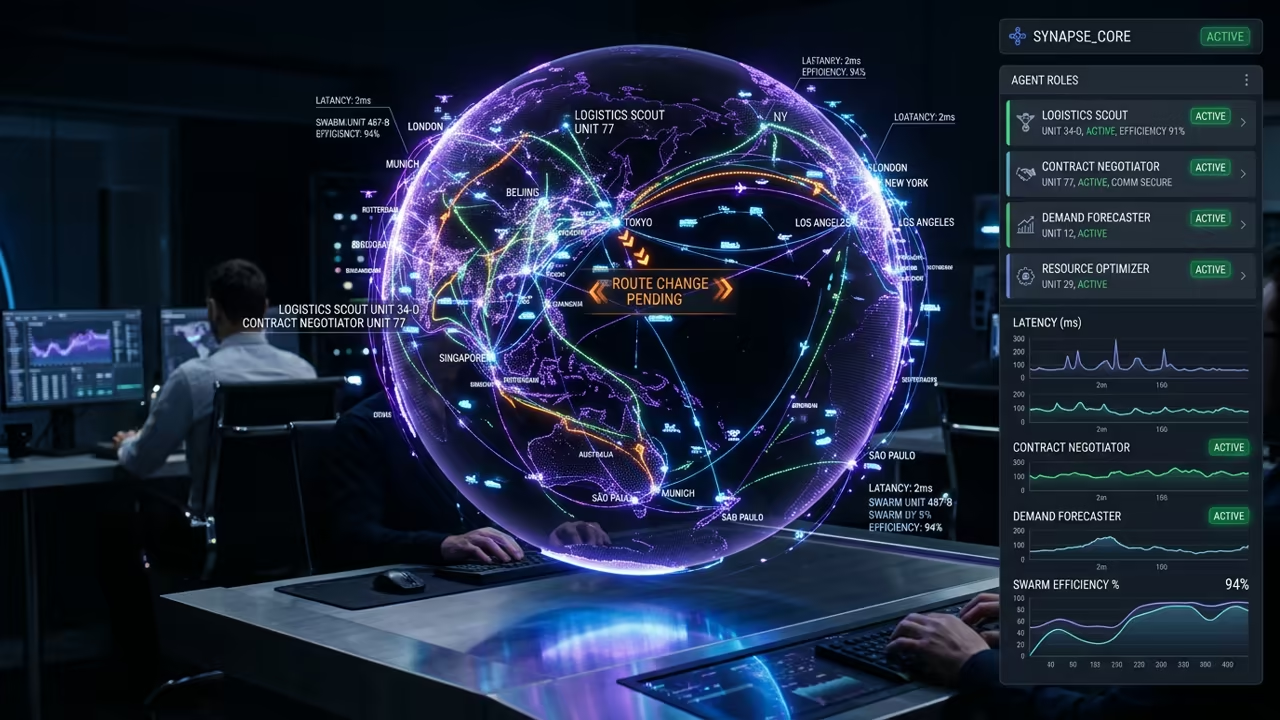
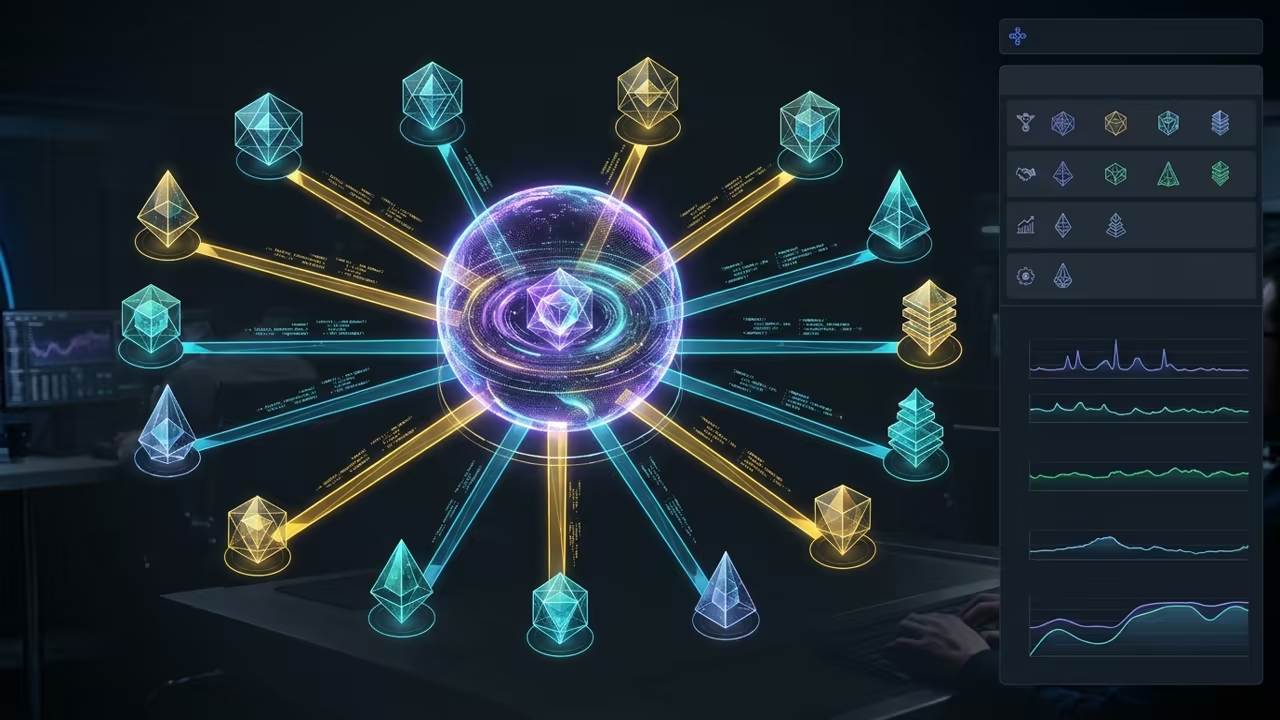
Hub and Spoke Task Routing
The core architecture utilizes a hub and spoke model for task routing. An orchestrator agent manages the overall state while specialized agents handle specific domains.
These agents include logistics scouts contract negotiators and risk assessment specialists.
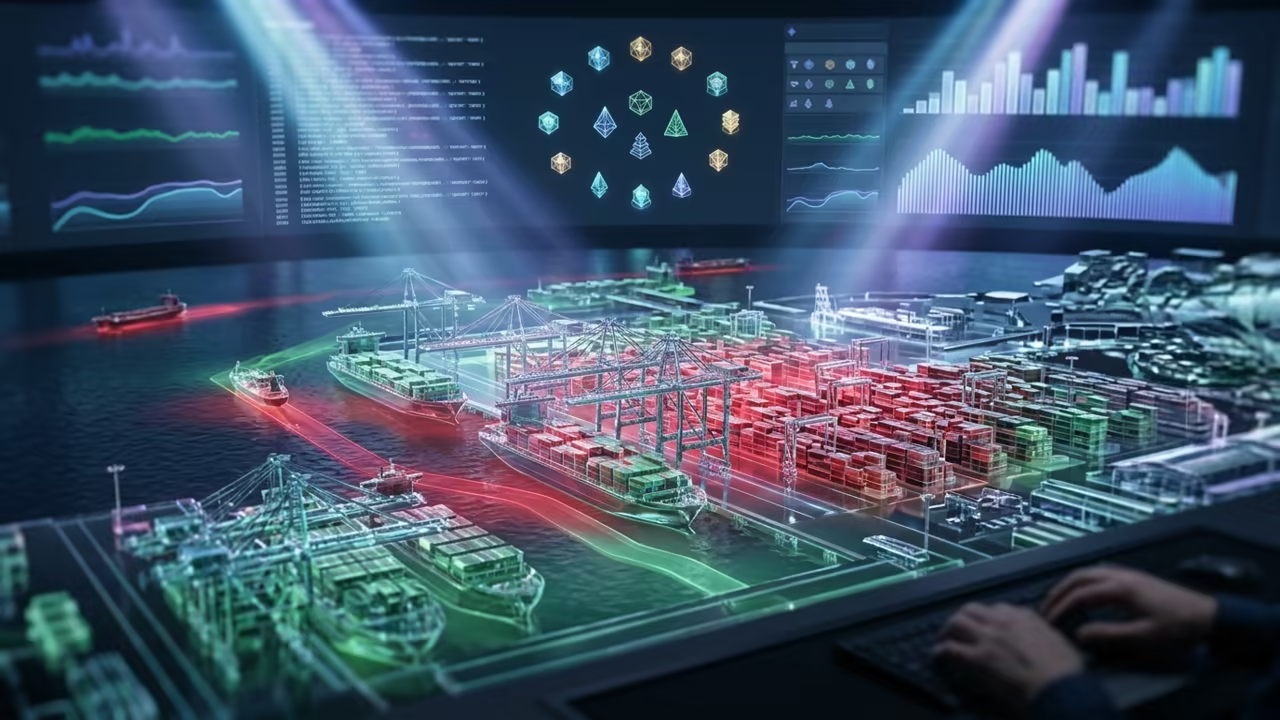
Real Time Digital Twins
The system relies on real time digital twins of the entire global network. These twins simulate geopolitical risks to predict disruptions before they actually occur.
When a trigger hits the swarm executes pre validated contingency protocols immediately.
Implementing Agent Communication
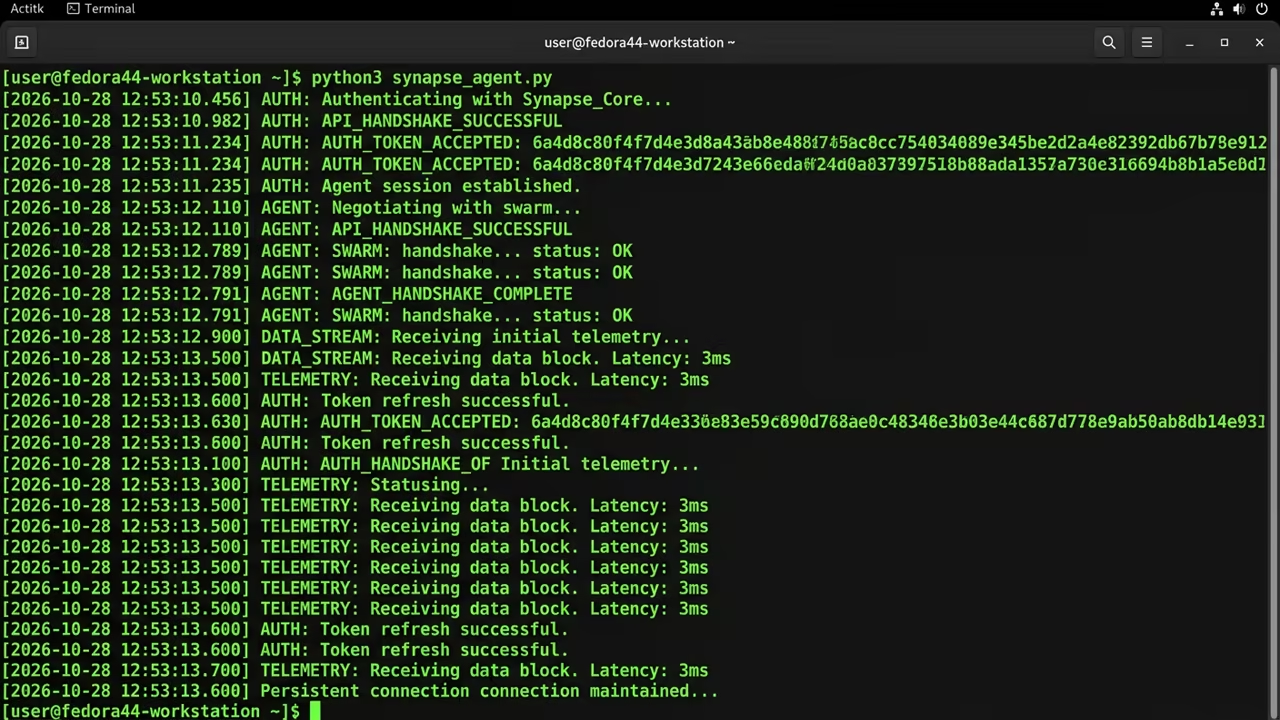
Implementing this requires a robust framework for agent communication and trust. Developers must implement secure handshake protocols to ensure agent authenticity.
The narrative calls for raw code snippets to be placed within the section.
def agent_handshake(agent_id, token):
if validate_token(token) and verify_identity(agent_id):
return "AUTH_TOKEN_ACCEPTED"
else:
return "HANDSHAKE_FAILED"
One critical insider detail is the use of ephemeral state tokens. These tokens prevent agents from entering infinite loop negotiations during high stress events.
They force a hard reset of the logic branch every few milliseconds.
Connecting to Architectural Breakthroughs
This technology builds upon our previous architectural breakthroughs in distributed computing. It connects directly to our deep dives on edge computing and mesh networks.
The integration of these systems creates a truly resilient global trade fabric.
| Parameter | Description | Value |
|---|---|---|
| Response Time | Time to react to disruption | Milliseconds |
| Decision Basis | Information used for routing | Real Time Context |
| Adaptability | Method of rerouting cargo | Dynamic Swarm Intelligence |
| Risk Mitigation | Approach to geopolitical threats | Predictive Simulation |
| Parameter | Description | Value |
Autonomous Capital Allocation
The swarm does not just move cargo but allocates capital autonomously. It can commit inventory and prioritize customers based on real time urgency.
This eliminates the bureaucratic friction that typically slows down emergency supply chains.
Bridging Legacy Infrastructure
Integrating these agents requires high throughput syncing and specialized API middleware. This ensures that the swarm can communicate with legacy port systems.
The result is a seamless bridge between old infrastructure and new intelligence.
The Future of Global Atoms
The future of logistics is not just about faster ships or planes. It is about the intelligence that orchestrates the movement of every single atom.
Those who master this stack will dominate the next decade of global trade.
Learning and Support
Reach out for personalized technical help to deploy these systems. Dive deeper into the future of automation with our online tutorials.
Online Tutorials and Technical Help: https://ojambo.com/contact
🚀 Recommended Resources
Disclosure: Some of the links above are referral links. I may earn a commission if you make a purchase at no extra cost to you.
Leave a Reply