

The High Cost of Daemon Dependency
The modern developer is trapped in a cycle of daemon heavy dependency that kills system performance. You spend more time fighting container runtimes than actually writing a single line of clean code. This friction is a silent profit killer for any scaling technical operation.
Implementing a daemonless architecture with Podman Desktop changes everything for the professional stack. You finally experience the freedom of rootless containers that do not hijack your system resources. It is a liberating feeling to launch a Storybook instance without the heavy baggage of a background process.
Disclaimer: I may earn a commission from purchases made through these links at no extra cost to you.


You can secure your own technical independence by applying these sovereign principles today. Master the professional architectural shift described in The Sovereign Business book at https://amzn.to/4ugGEYr. This is the definitive guide to building systems that you truly own and control.
Setting Up the Sovereign Stack
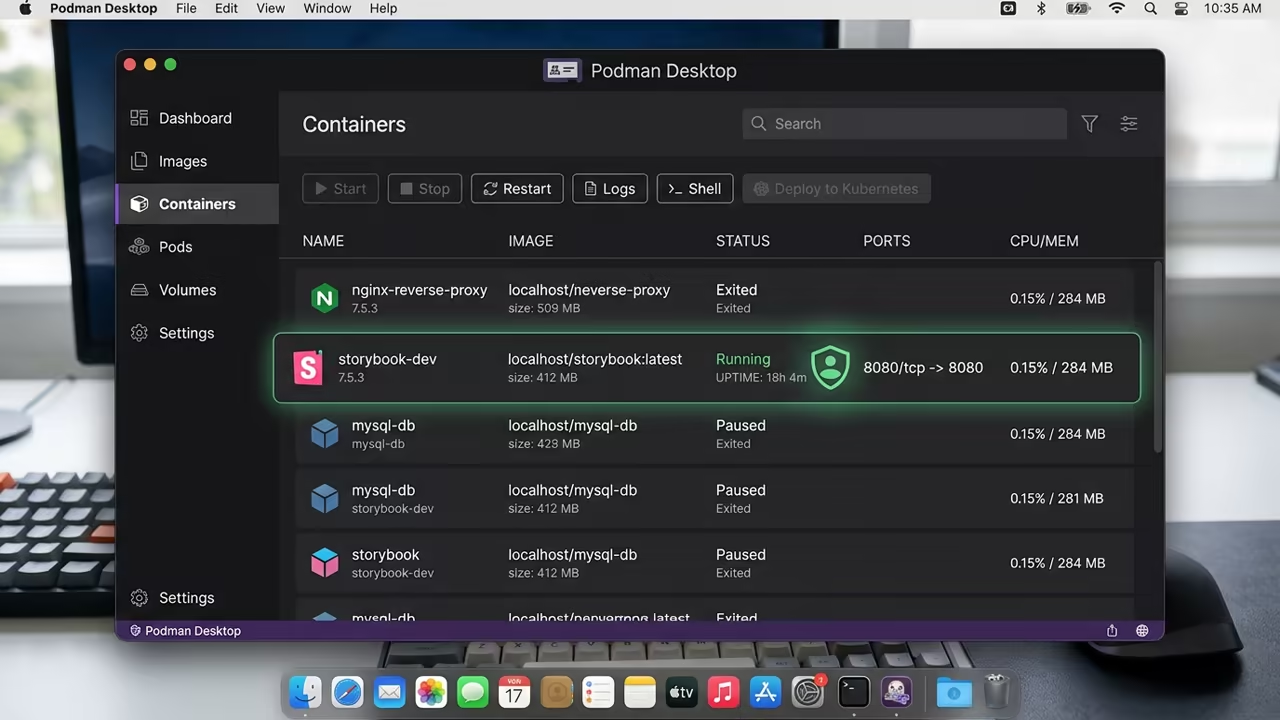
The setup begins by installing Podman Desktop on your Fedora 44 environment. You must ensure the Podman machine is initialized with sufficient memory for the Storybook build. Use the GUI to verify the container engine is active and rootless.
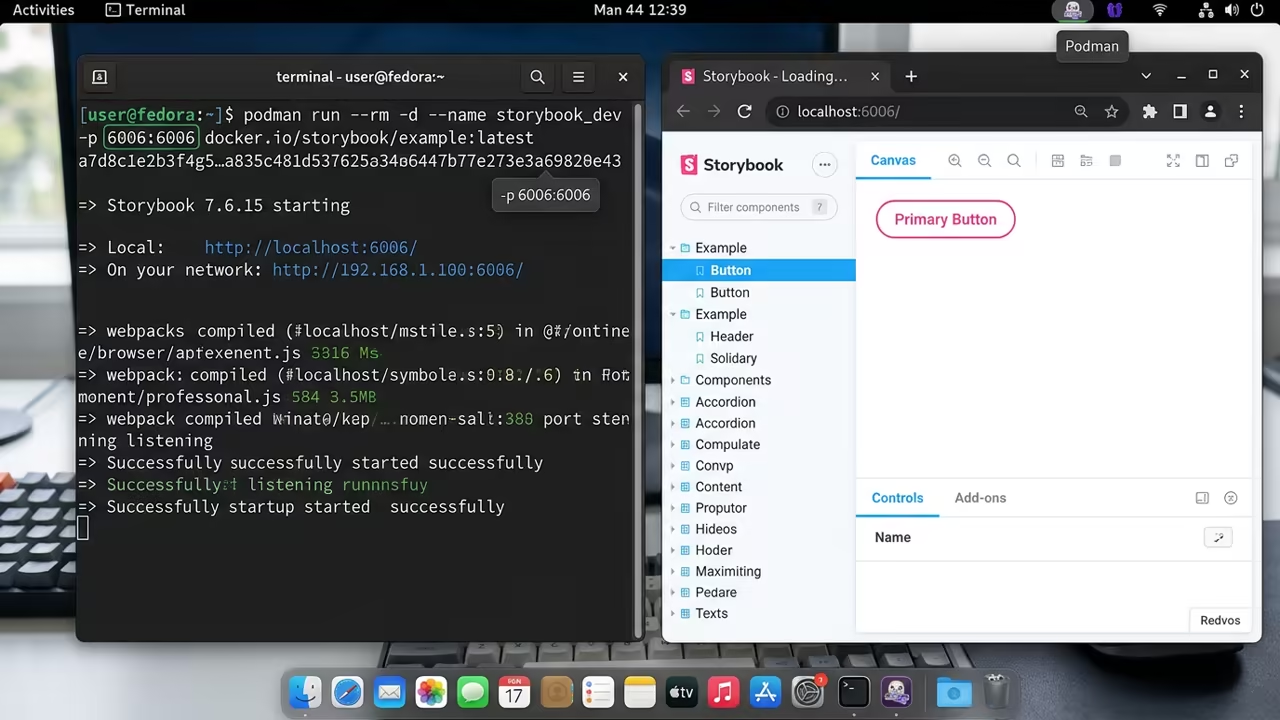
Next you pull the necessary Storybook image from the registry. Run the container using the podman run command to map the local port 6006 to the container. This allows your browser to communicate directly with the decoupled UI components.
podman run -d --name storybook -p 6006:6006 storybook
An insider detail for maximum performance is adjusting the memory limits in the Podman machine settings. Allocate at least 4GB of RAM to avoid Storybook crashes during the webpack compilation phase. This ensures a seamless hot reload experience during your development cycle.

Measuring the Technical Advantage
The transition to a sovereign stack provides an immediate boost in local development speed. You no longer wait for a monolithic daemon to initialize before you can see your component changes. The result is a streamlined workflow that mirrors the efficiency of a sovereign business.
| Parameter | Description | Value |
|---|---|---|
| Architecture | Daemon Status | Daemonless |
| Root Access | Privilege Level | Rootless by default |
| Resource Use | System Overhead | Low overhead |
| Sovereignty | Ownership Level | High |
Podman eliminates the single point of failure by removing the central daemon. This architectural choice is a core tenet of the sovereign technical approach.
Decoupling the User Interface
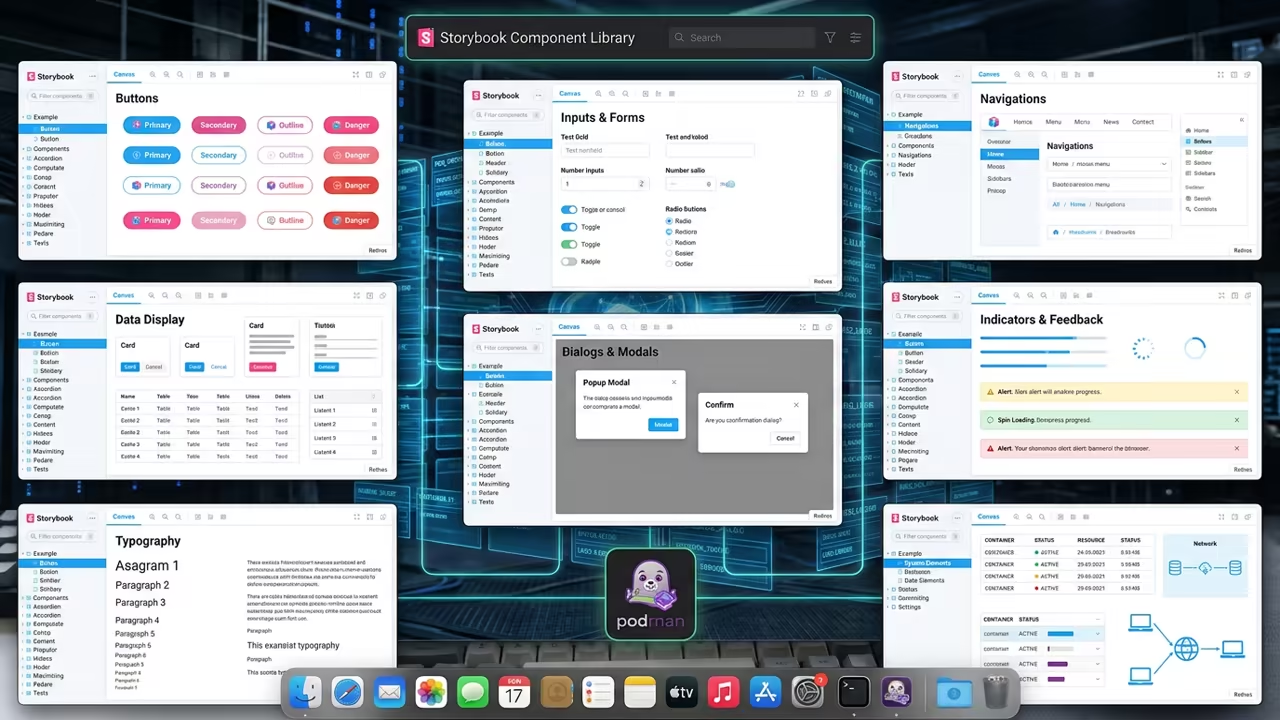
Integrating Storybook into this environment allows you to document components in total isolation. You can iterate on your UI without needing the entire backend stack running. This decoupling is essential for high throughput development and rapid scaling.
Building this stack is the first step toward achieving full technical autonomy. You are no longer dependent on proprietary licensing or restrictive runtime environments. This is how you build a professional stack that supports a sovereign business model.
Professional Implementation and Support
For those scaling high tier technical projects you may need specialized architectural guidance. Senior Architect consultation services are available to help you implement these sovereign systems. Visit https://ojamboservices.com/contact for a professional system audit.
Dive deeper into these breakthroughs with our online tutorials and technical help. We provide the blueprints for a truly independent tech stack.
- Get Professional Help: https://ojambo.com/contact
🚀 Recommended Resources
Disclosure: Some of the links above are referral links. I may earn a commission if you make a purchase at no extra cost to you.
Leave a Reply