

Stop Wasting Money On Bloated Factory Games
Stop wasting money on bloated factory automation games that demand a AAA gaming rig. Mindustry is the open source automation tower defense engine that runs flawlessly on hardware most people already own. This hidden gem combines real time strategy with complex supply chain logistics in a single lightweight package.
Most gamers never discover this because it operates entirely outside the commercial app store ecosystem. The entire source code lives on GitHub under the GNU General Public License version 3. Anyone can fork the repository and contribute to the project directly.
The Technical Architecture
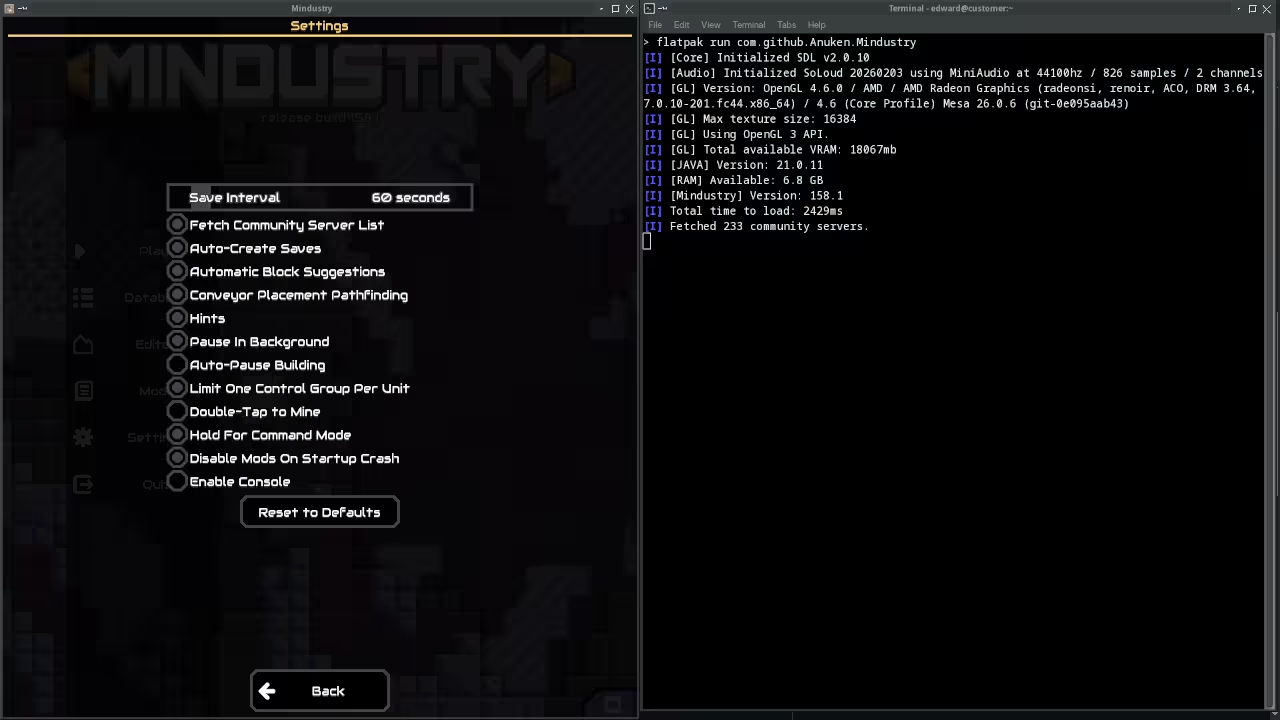
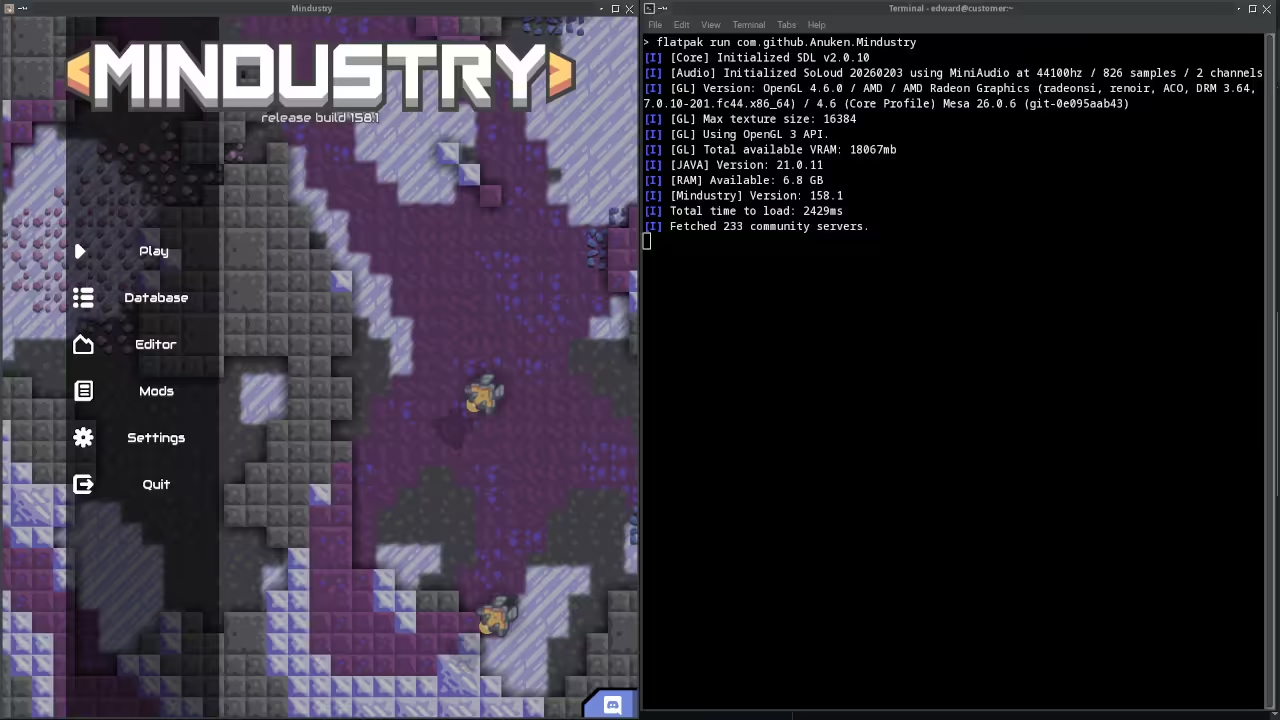
The architecture relies on Java paired with LWJGL for cross platform graphics rendering. This combination delivers exceptional performance even on constrained systems. I tested the game on my Ryzen 5 5600GT with the integrated graphics processor and achieved solid frame rates.
The AMD Instinct Mi60 discrete GPU handles the rendering workload without breaking a sweat. Even a Raspberry Pi Zero W connected via USB can run the headless server mode for multiplayer sessions. This versatility makes Mindustry an absolute must have for any serious tech enthusiast.
The Experience Of Building Automated Defenses
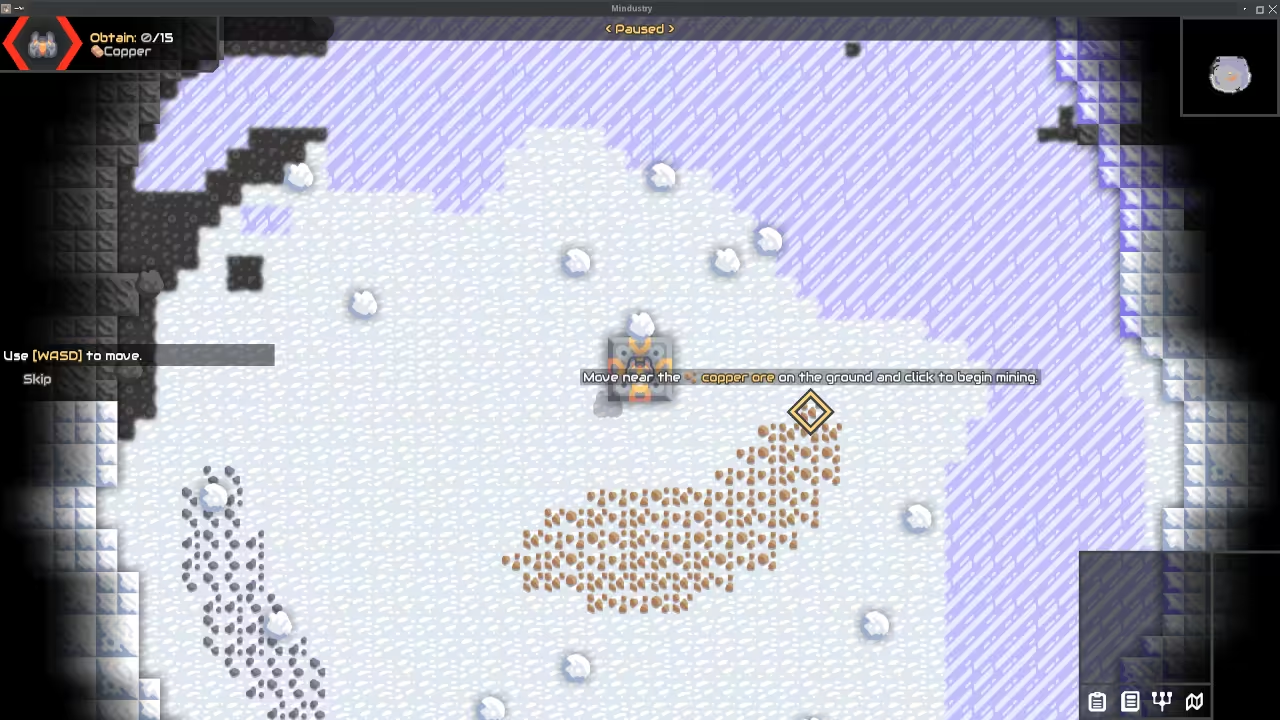
The experience of building your first automated defense network is genuinely addictive. You start with basic conveyor belts feeding copper into simple turrets. Soon you are managing intricate multi tier production chains spanning the entire map.
The satisfaction of watching your factory defend itself against waves of enemies is unmatched. Every optimization feels like solving a complex engineering puzzle in real time. The community map editor lets you design custom scenarios and share them with players worldwide.
Insider JVM Optimization Secret
Here is an insider detail that most players completely overlook. You can dramatically improve Java garbage collection performance by passing custom JVM arguments when launching the game. Adding the flag for G1 garbage collector with a maximum heap size of two gigabytes eliminates stuttering during intense combat waves.
java -XX:+UseG1GC -Xmx2G -jar mindustry.jar
This single configuration change transforms the experience on systems with limited available memory. The command line launch becomes java with the G1GC flag and the maximum heap size set to two gigabytes before running the main class.
Game Features And Technical Foundation
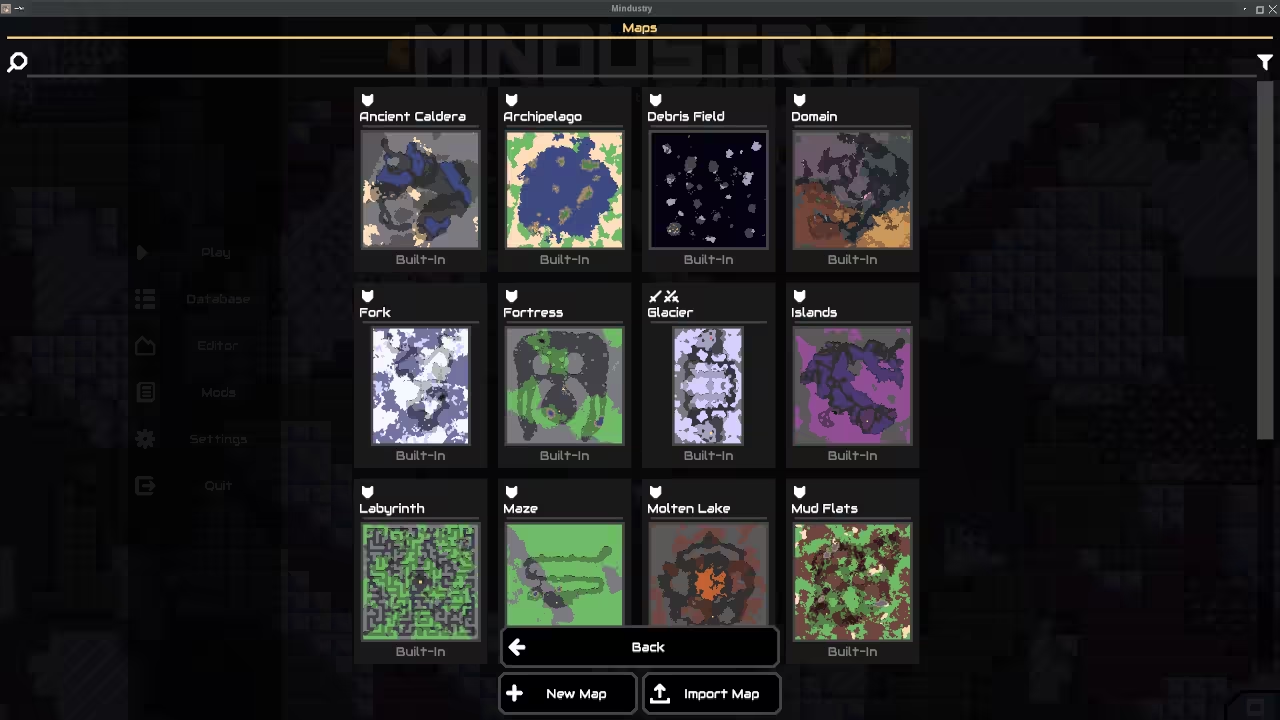
The game features a comprehensive technology tree that rewards strategic planning. Research new turret types and unlock advanced processing units as you progress. The built in campaign contains twenty four maps that gradually introduce complex mechanics.
Multiplayer servers support cross platform play between desktop and mobile devices. Large scale player versus player unit battles create emergent tactical scenarios that keep the meta fresh.
Open Source Architecture For Developers
The technical foundation of Mindustry deserves serious attention from developers studying open source game architecture. The project demonstrates how Java can compete with native languages in the gaming space. LWJGL provides direct access to OpenGL and Vulkan graphics APIs without the overhead of heavy game engines.
The modular code structure makes it easy to understand entity management and rendering pipelines. This transparency benefits anyone learning game development or systems programming. The Java virtual machine handles memory management automatically which reduces common crash scenarios.
System Requirements Comparison
| Component | Minimum Specification | Recommended Specification | My Test System |
|---|---|---|---|
| CPU | Dual core 2.0 GHz | Quad core 3.0 GHz or higher | Ryzen 5 5600GT 6 Cores 12 Threads |
| RAM | 2 GB | 4 GB or more | 32 GB total with 4 GB reserved for integrated graphics |
| GPU | Integrated graphics | Dedicated GPU with Vulkan support | AMD Instinct Mi60 with 32 GB VRAM |
| Storage | 500 MB free space | 1 GB for mods and maps | Limited storage with efficient allocation |
| Network | Broadband connection | Stable connection for multiplayer | Wired Ethernet with USB peripherals |
| Component | Minimum Specification | Recommended Specification | My Test System |
However understanding how to tune heap allocation gives you a significant performance advantage. The game loads entirely into RAM which means solid state storage dramatically reduces startup times. Mod support through the built in dependency manager expands gameplay possibilities indefinitely.
Connecting To Broader Technical Concepts
This topic connects directly to my previous deep dives into open source software architecture and GPU optimization strategies. The same JVM tuning principles apply to any Java based application running on your system. Understanding LWJGL rendering pipelines informs broader Vulkan and ROCm development workflows.
These architectural patterns repeat across countless high performance computing projects. The open source nature ensures the project will continue evolving long after commercial alternatives abandon their communities.
Master The Professional Stack
Take your technical expertise to the next level with these essential resources. These blueprints and guides cover everything from system architecture to creative implementation strategies.
- Books (Technical & Creative): https://www.amazon.com/stores/Edward-Ojambo/author/B0D94QM76N
- Blueprints (DIY Woodworking Projects): https://ojamboshop.com
- Tutorials (Continuous Learning): https://ojambo.com/contact
- Consultations (Custom Apps & Architecture): https://ojamboservices.com/contact
🚀 Recommended Resources
Disclosure: Some of the links above are referral links. I may earn a commission if you make a purchase at no extra cost to you.
Leave a Reply