
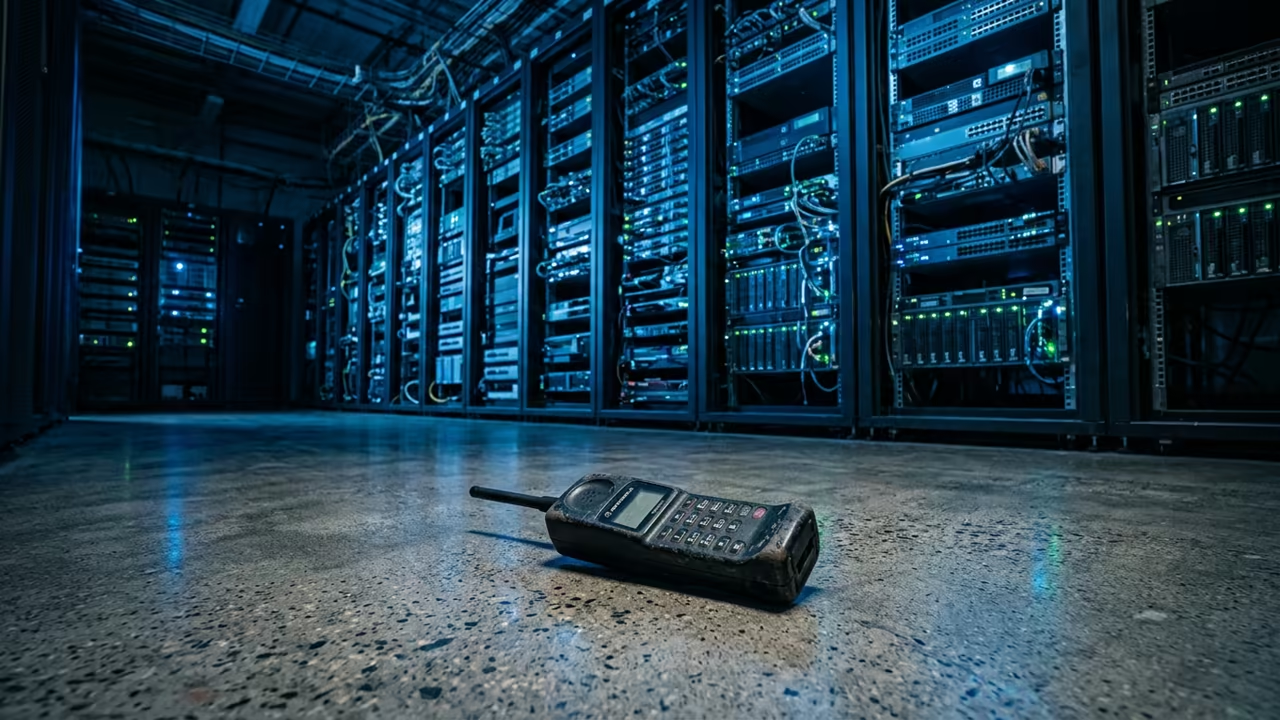
The Hardware Grip
Put your phone face down on the table right now. Does it feel like a tool or a leash?
Modern software timers fail because the hardware remains addictive. Software will not save us from the grip of software.
While modern giants race to put AI agents in every pocket a quiet movement is returning to hardware. This revolution looks back at the structural engineering of the Nokia era.
Disclaimer: I may earn a commission from purchases made through these links at no extra cost to you.


Network Infrastructure Engineering
The early Nokia GSM infrastructure relied on the DX 200 platform. This system maintained a staggering 99.999 percent availability rating.
It handled traffic loads up to 22,800 Erlangs with extreme precision. The platform used a distributed microprocessor control system to isolate software tasks.
These tasks functioned as independent actors communicating over a dedicated message bus. This prevented a single failure from crashing the entire regional network.

The Experience of Absolute Stability
Implementing these systems felt like managing a living digital organism. The stability was absolute and the latency remained sub millisecond.
You could swap hardware components while the system was live. The DMX real time microkernel ensured no calls were dropped during updates.
Base Station Subsystem Architecture
The hardware components of the base station subsystem were equally impressive. The system relied on specific functional units for total control.
- BCSU for radio resource management and handovers
- MCMU for traffic channel and cell management
- OMU for telemetry and local human interface
- GSWB for physical traffic cross connection
Setting up a Nokia cell site followed a strict sequential logic. This ensured the plesiochronous clocking hierarchy remained perfectly synchronized.
- Install the Base Transceiver Station hardware on the tower
- Establish the Abis interface using E1 lines at 2.048 Mbps
- Configure the Base Station Controller for radio frequency allocation
- Synchronize the master clock via the Clock and Synchronization Units
- Validate the A interface connection to the core switching center
The 3310 Hardware Secret
The legendary Nokia 3310 was not a fluke of luck. It used a proprietary ASIC code named MAD2WD for its core logic.
This brain housed a Texas Instruments ARM7TDMI RISC processor. It ran at a modest 13 MHz to maximize power efficiency.
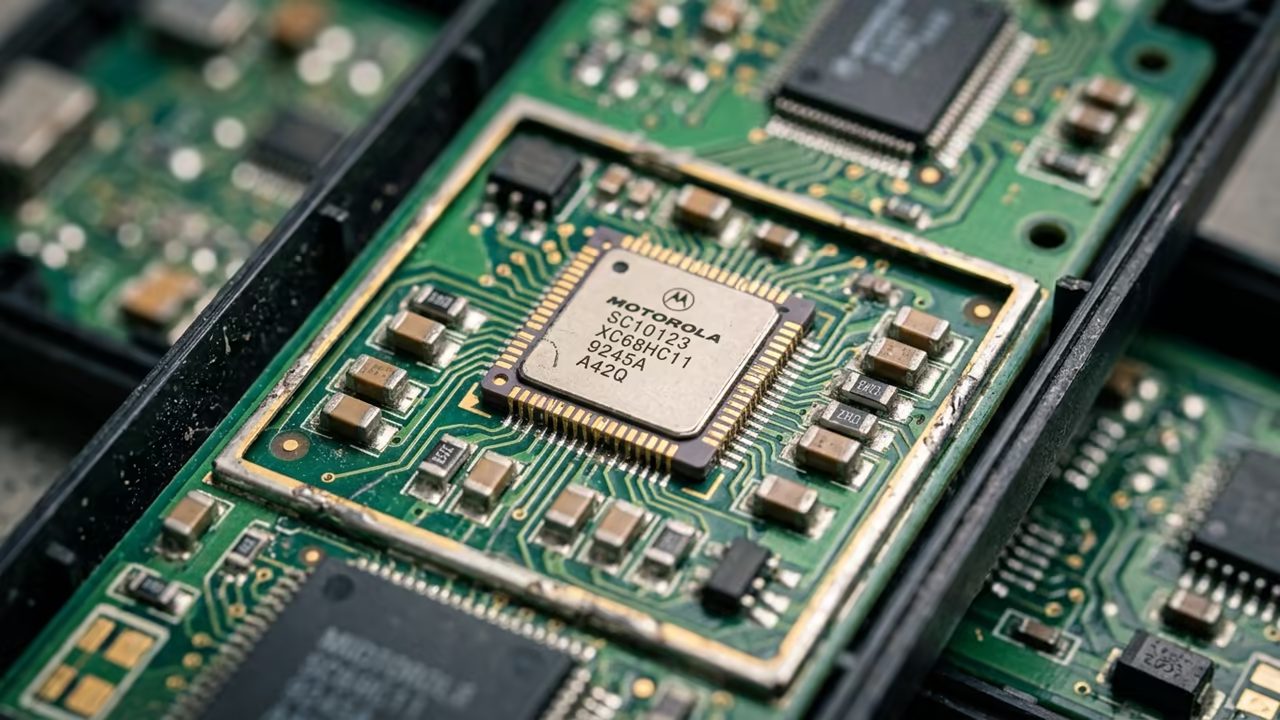
Power management was handled by the CCONT integrated circuit. This chip aggressively gated power to components not in active use.
The monochrome LCD screen drew only microamps of current. This combination allowed the device to stay active for weeks.
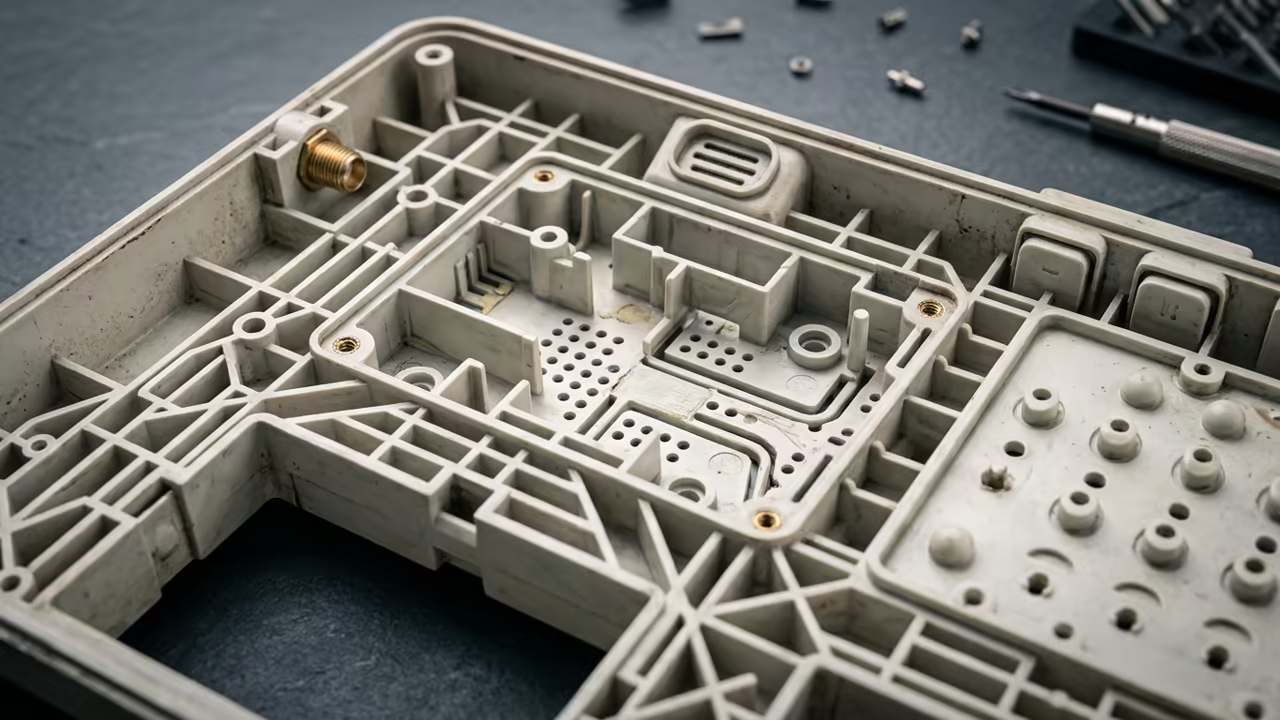
The chassis used an inner matrix frame made of ABS and Polycarbonate. This skeleton distributed mechanical loads away from the main logic board.
Thick metal EMI shielding cans acted as rigid structural reinforcements. These cans prevented the PCB from flexing during high impact drops.
Symbian Microkernel Logic
The software architecture was based on the Symbian microkernel. It used a client server pattern to keep the system stable.
If a user space server crashed the kernel simply restarted it. This prevented the entire phone from freezing or rebooting.
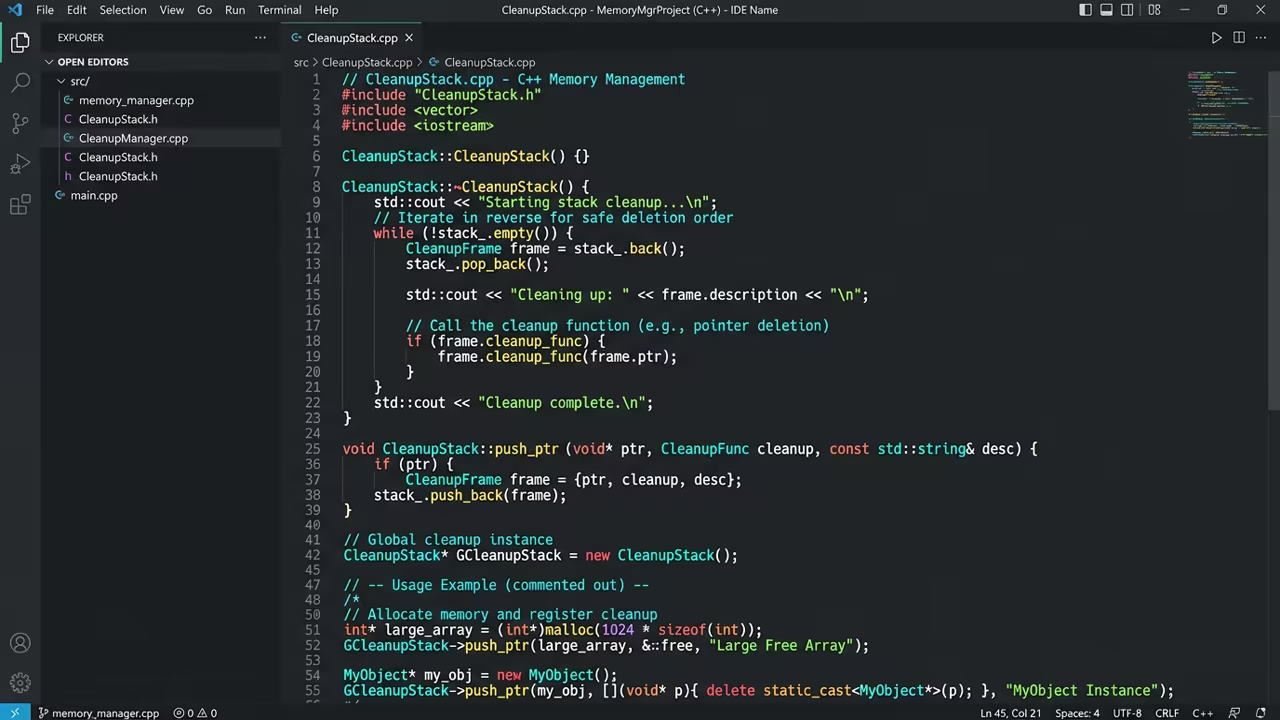
To manage extreme memory limits Symbian used a unique Cleanup Stack. This prevented memory leaks during out of memory conditions.
void SetupHardware() {
TCleanupStack cs;
TPhone* device = new TPhone();
cs.PushL(device);
PerformInitSequence();
cs.Pop();
}
Concurrency was handled through Active Objects rather than heavy threads. This eliminated the RAM overhead of constant context switching.
The kernel used priority inheritance to prevent priority inversion bugs. This ensured that cellular signaling always took immediate precedence.
An insider secret was the warming process in the DX 200. This process synchronized active and spare units to eliminate downtime.
This mirrored the architectural breakthroughs seen in previous high availability deep dives. It created a foundation for the modern mobile web.
| Parameter | GPRS Throughput | EDGE Throughput | Modulation |
|---|---|---|---|
| Peak Rate | 115.2 kbps | 384 kbps | GMSK to 8-PSK |
| Practical | 32 to 40 kbps | 110 to 130 kbps | Dynamic Switching |
| Core Tech | Time Slot Aggregation | 3 Bits Per Symbol | 3GPP Release 99 |
| Parameter | GPRS Throughput | EDGE Throughput | Modulation |
The Future of Functional Minimalism
The current shift toward Dumbphone 2 proves these principles still matter. We are returning to hardware enforced restrictions to reclaim our focus.
True technical mastery requires understanding these structural foundations. The indestructible era taught us that less is often more.
Online Tutorials & Technical Help: https://ojambo.com/contact
🚀 Recommended Resources
Disclosure: Some of the links above are referral links. I may earn a commission if you make a purchase at no extra cost to you.
Leave a Reply