
The Architecture of Innovation Blindness
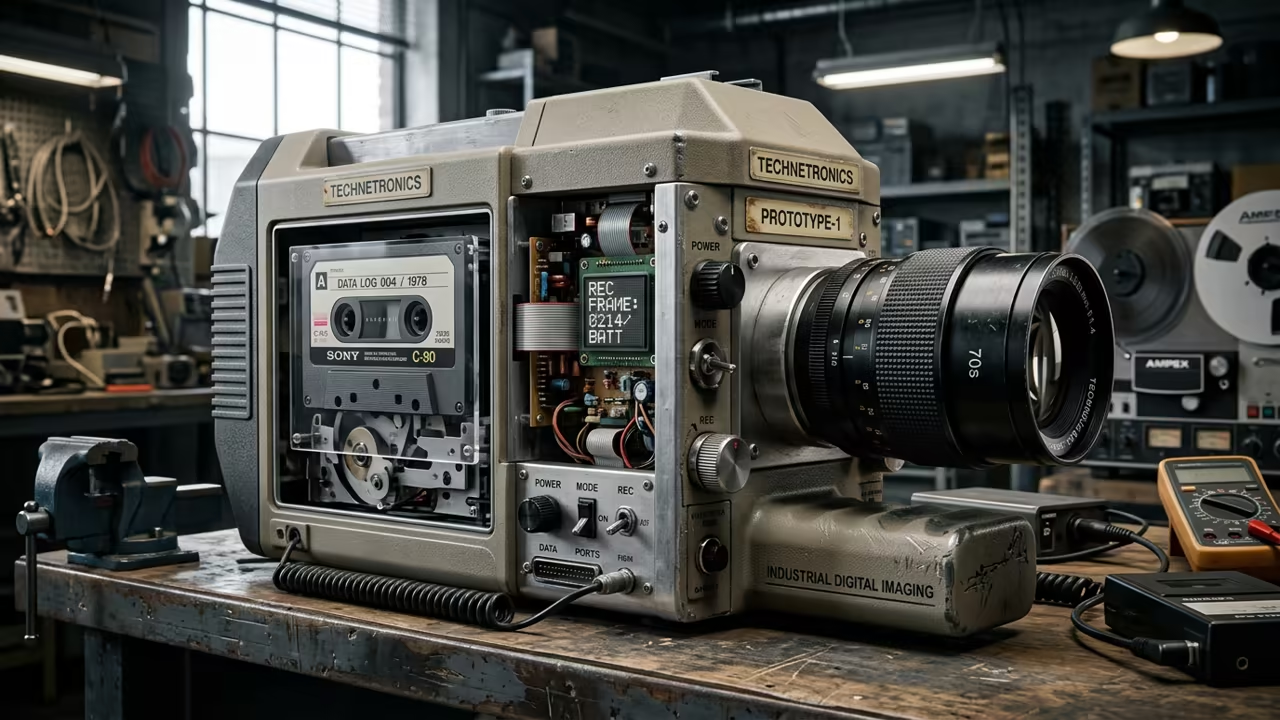
The industry currently suffers from a fatal flaw known as innovation blindness. Many engineers build the future only to see it buried by corporate fear.
Kodak owned the blueprint for the digital revolution but chose the analog void. This decision shifted the trajectory of imaging history forever.
Disclaimer: I may earn a commission from purchases made through these links at no extra cost to you.


The Engineering of Analog Capture
Implementing the 1975 digital prototype felt like holding a heavy mechanical mystery. The eight pound chassis hummed with the raw energy of early CCD sensors.
You could feel the latency of the cassette tape recording the light data. This was the birth of a new data paradigm.
The analog system relied on precise silver halide crystal distributions within a gelatin binder. These crystals captured photons to create a latent image on a polyester base.
The operational parameters required a strict thermal environment of 100.4 degrees Fahrenheit. This precision ensured the chemical reaction remained stable across the film strip.
Core Hardware and Operational Sequences
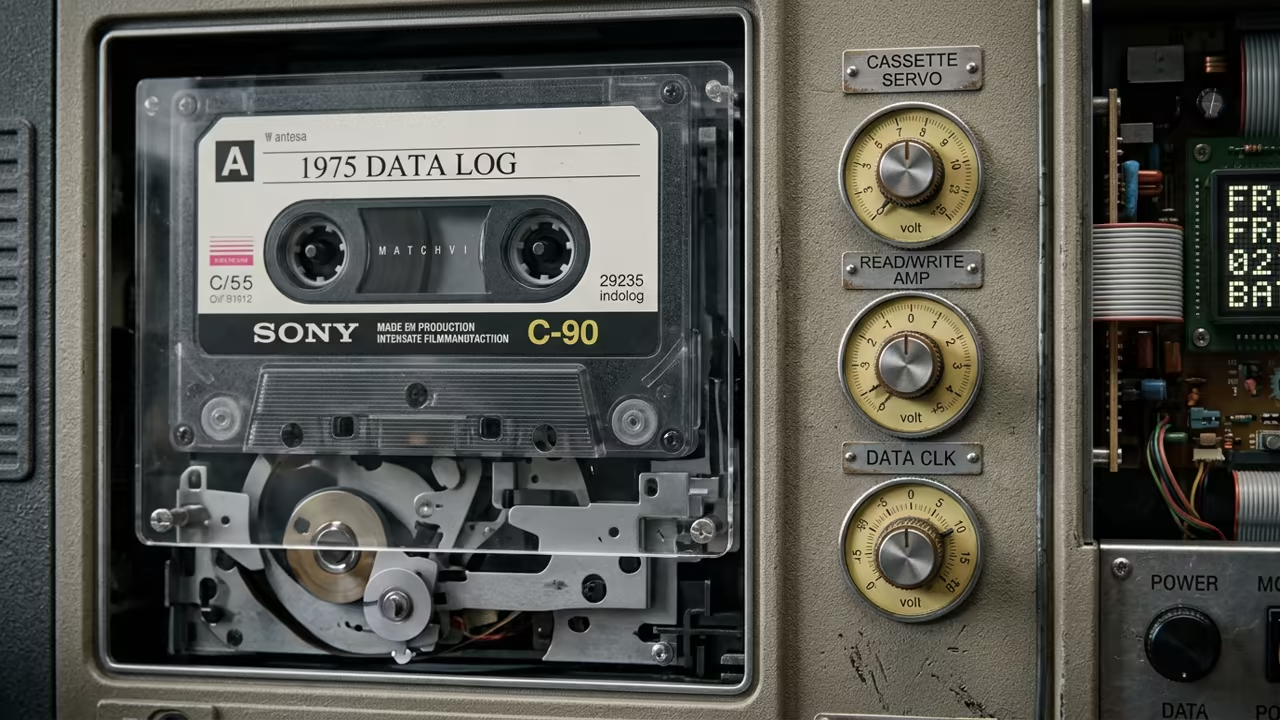
The system architecture depended on a series of physical components. These elements worked in tandem to preserve the captured light.
- Silver halide crystals
- Gelatin emulsion binder
- Polyester support base
- Chemical developer solution
- Acidic stop bath
- Sodium thiosulfate fixer
The processing sequence followed a rigid order to ensure image stability. Any deviation in timing could destroy the entire frame.
- Submerge the film in a temperature controlled developer for three minutes.
- Transition the reel into a stop bath to halt chemical reduction.
- Apply the fixer to remove unexposed silver halide crystals.
- Rinse the emulsion in running water to remove residual salts.
- Air dry the strip in a dust free environment.
The 1975 Digital Shift
The 1975 digital system shifted the architecture to a Fairchild CCD sensor. This sensor converted photons into electrical charges for analog processing.
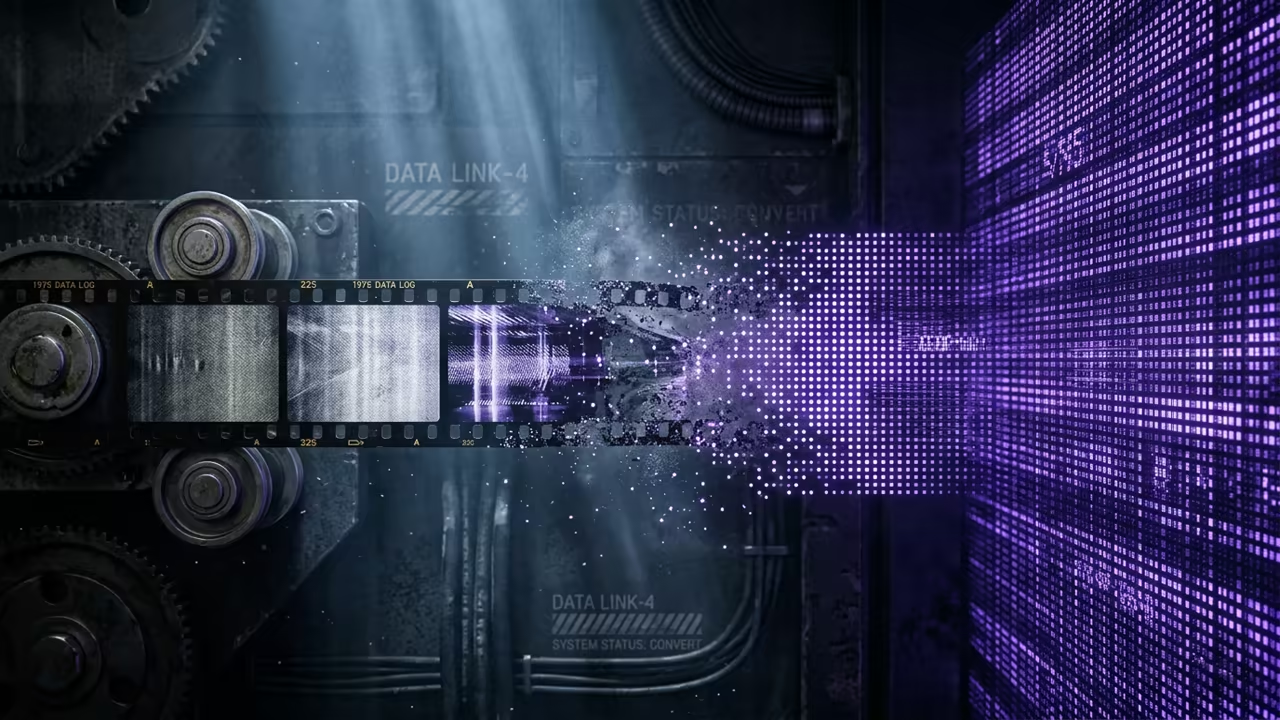
The data then flowed into a cassette recording drive for storage. This replaced the chemical reaction with a voltage stream.
To optimize the image quality in early digital captures engineers used a specific gain adjustment. Increasing the amplifier voltage improved signal strength but introduced significant noise.
This trade off defined the early era of digital imaging. It created a struggle between clarity and sensitivity.
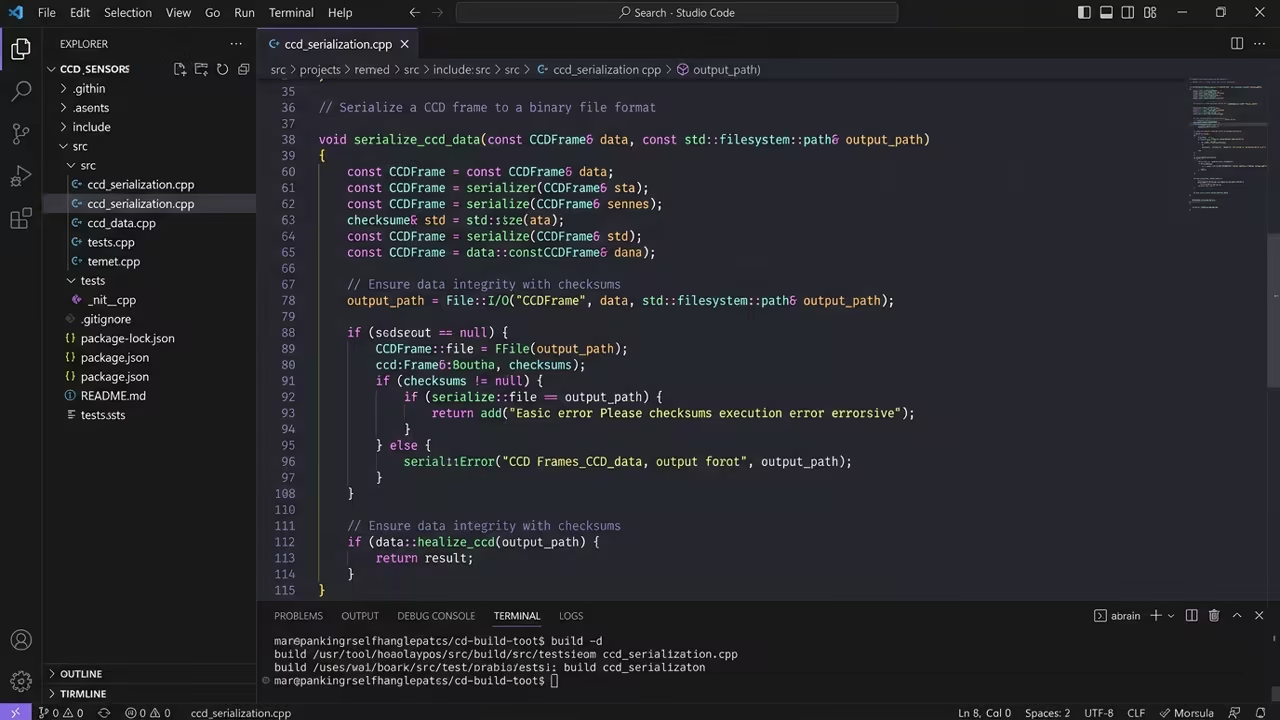
The data serialization for the prototype followed a basic linear sequence. This raw stream captured the voltage levels from the CCD rows.
void serialize_ccd_data(float* pixels, int size) {
for(int i=0; i<size; i++) {
write_to_cassette(pixels[i]);
}
}
This architectural shift mirrors previous technical deep dives into semiconductor evolution. It highlights the same breakthroughs seen in early GPU memory mapping.
Understanding this flow is critical for modern hardware enthusiasts. It reveals how data is abstracted from physical light.
Technical Comparison of Imaging Eras
The leap from chemical to digital was a massive change in metrics. The operational overhead shifted from chemistry to electronics.
| Parameter | Analog Film | 1975 Digital Prototype |
|---|---|---|
| Storage | Silver Halide | Cassette Tape |
| Weight | Lightweight | 8 Pounds |
| Latency | Days | Minutes |
| Resolution | Grain Based | 10 x 1000 Pixels |
The failure was not in the engineering but in the deployment logic. The company prioritized the chemical recurring revenue over the hardware shift.
This creates a massive lesson for any modern systems architect. Technical superiority means nothing without a viable deployment strategy.
Learning and Support
Reach out for personalized technical help to master your own hardware stacks. Dive deeper into these architectural secrets through the online tutorials.
Online Tutorials and Technical Help: https://ojambo.com/contact
🚀 Recommended Resources
Disclosure: Some of the links above are referral links. I may earn a commission if you make a purchase at no extra cost to you.
Leave a Reply