

Modern software deployment is a ticking time bomb for every engineer. One small logic error can crash entire global systems in seconds.
We spend thousands of hours hunting bugs in production logs. This manual cycle of failure and repair is completely outdated.
The Power of Autonomous Resilience
AI driven self healing code changes the game by fixing bugs in real time. It turns the software into a living organism that heals itself.
Disclaimer: I may earn a commission from purchases made through these links at no extra cost to you.


Imagine waking up to a report that says zero bugs occurred. The system detected a memory leak and patched it while you slept.
That feeling of absolute control over your production environment is addictive. You no longer fear the midnight page from the monitoring system.
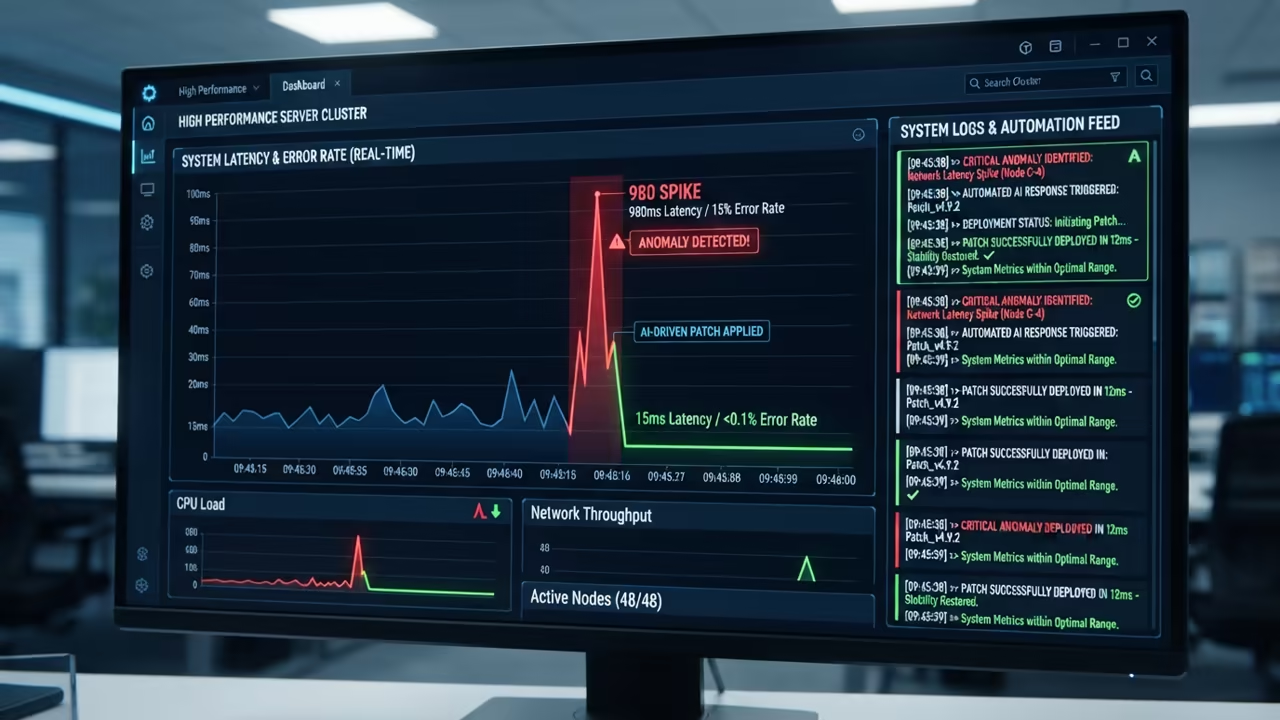
The Technical Architecture of Healing
The core of this technology relies on real time telemetry feedback loops. The AI monitors the Abstract Syntax Tree for anomalies during execution.
When a crash occurs the system captures the exact state of the heap. It then generates a surgical patch using an LLM trained on system logs.
Implementing Shadow Execution Validation
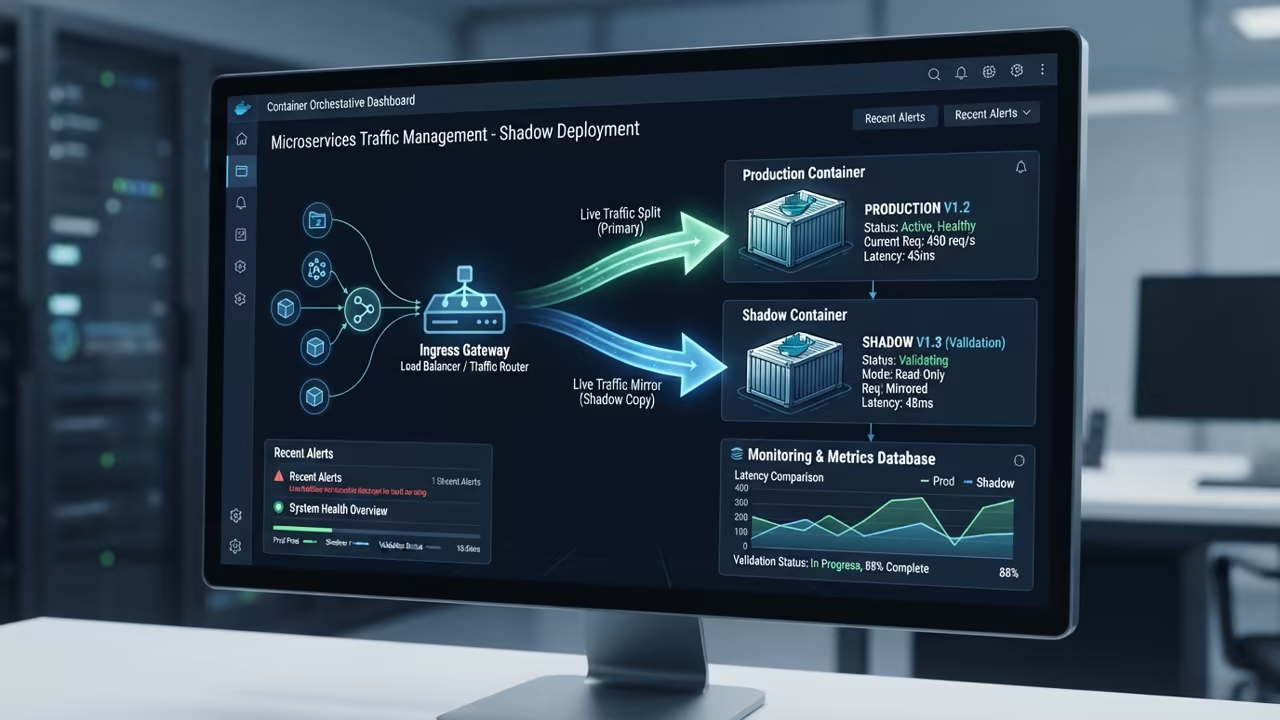
The real secret to success is implementing a Shadow Execution Validation pipeline. You must mirror live traffic to a sandbox container before applying patches.
This ensures the AI does not introduce new regressions into the codebase. It validates the fix against real user patterns in milliseconds.

The Autonomous Logic Stack
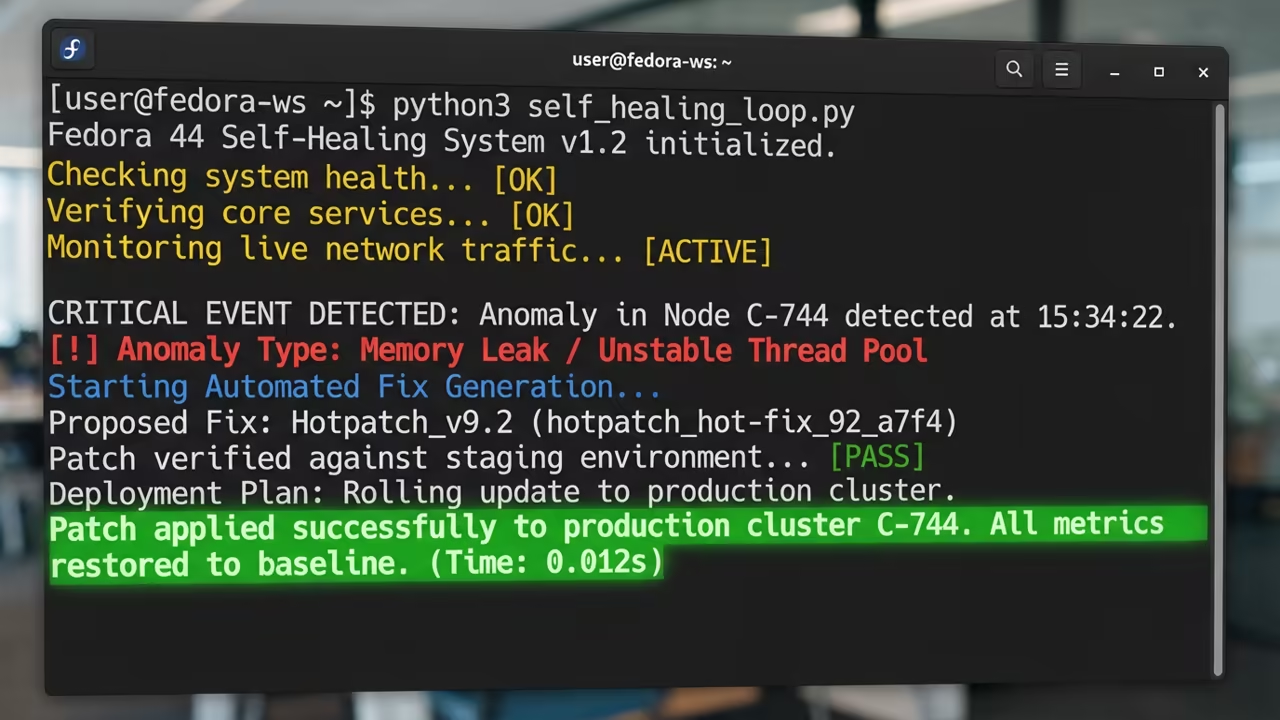
You can implement a basic self healing loop using this logic structure. This code demonstrates the detect and deploy cycle for autonomous fixes.
def self_healing_loop(error_log):
bug_data = analyzer.detect_anomaly(error_log)
proposed_patch = ai_engine.generate_fix(bug_data)
if validator.verify_in_shadow_env(proposed_patch):
deployer.apply_atomic_patch(proposed_patch)
logger.info("Patch applied successfully to production")
This approach integrates perfectly with previous breakthroughs in container orchestration. It leverages the same principles used in high availability server clusters.
Compare the old way of patching with the new autonomous standard. The difference in operational efficiency is staggering for any technical team.
| Parameter | Description | Value |
|---|---|---|
| Patch Speed | Time to resolve bug | Milliseconds |
| Error Risk | Probability of regression | Low |
| Availability | Uptime during patch | 100 Percent |
| Parameter | Description | Value |
The Future of Resilient Engineering
Implementing this stack allows you to focus on feature growth. You stop wasting time on the repetitive grind of bug fixing.
This shift in architecture is a must have secret for modern enthusiasts. It separates the amateur developers from the true systems architects.
Learning and Support
Reach out for personalized technical help to implement these systems. Dive deeper with our specialized online tutorials for senior architects.
Online Tutorials and Technical Help: https://ojambo.com/contact
🚀 Recommended Resources
Disclosure: Some of the links above are referral links. I may earn a commission if you make a purchase at no extra cost to you.
Leave a Reply