
The VRAM Crisis in Modern GPU Computing
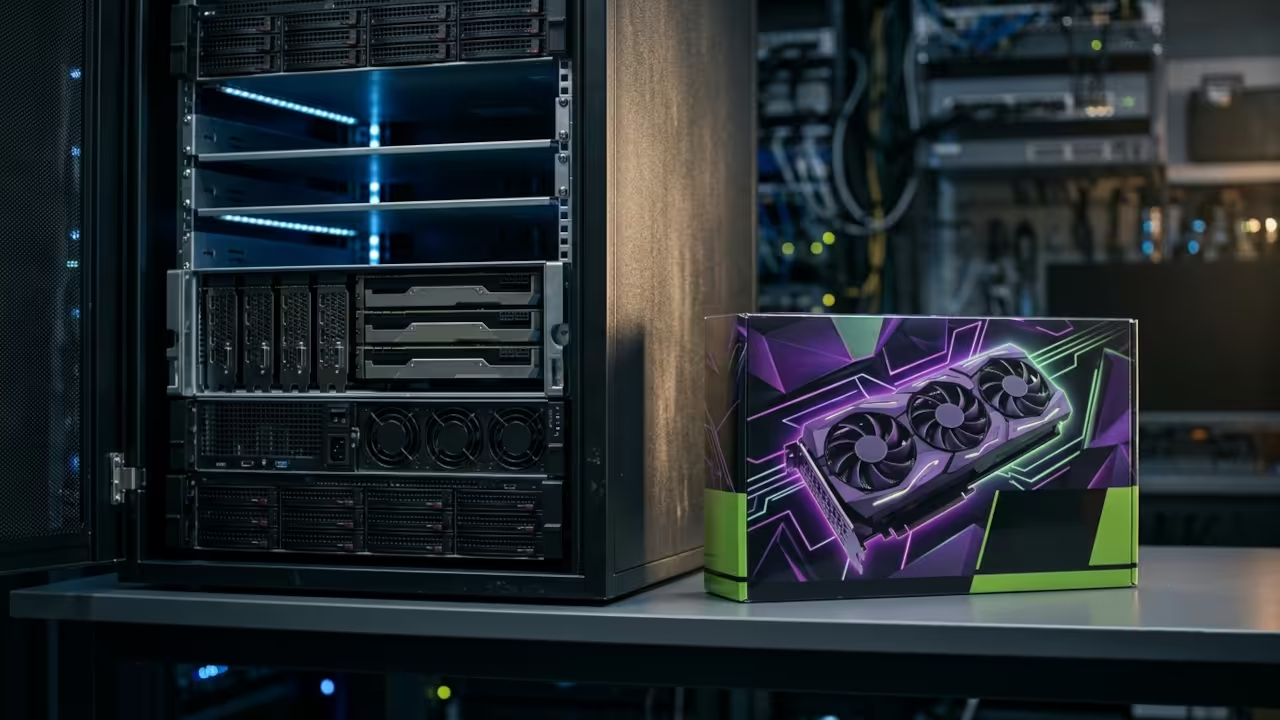
You are staring at a price tag that makes no sense. A brand new consumer GPU with twelve gigabytes of VRAM costs nearly six hundred dollars. Meanwhile a barely used enterprise workstation card with forty eight gigabytes of VRAM sits on the secondary market for a fraction of that cost.
The gap is not closing. It is widening. And if you are building a local AI stack in 2026 this decision will define your entire workflow.
First Hand Experience With Memory Bound Workloads
I have been running AMD Instinct MI60 boards with thirty two gigabytes of VRAM on Fedora with X11 for over a year now. I know exactly how painful it is when your model outgrows your memory pool.
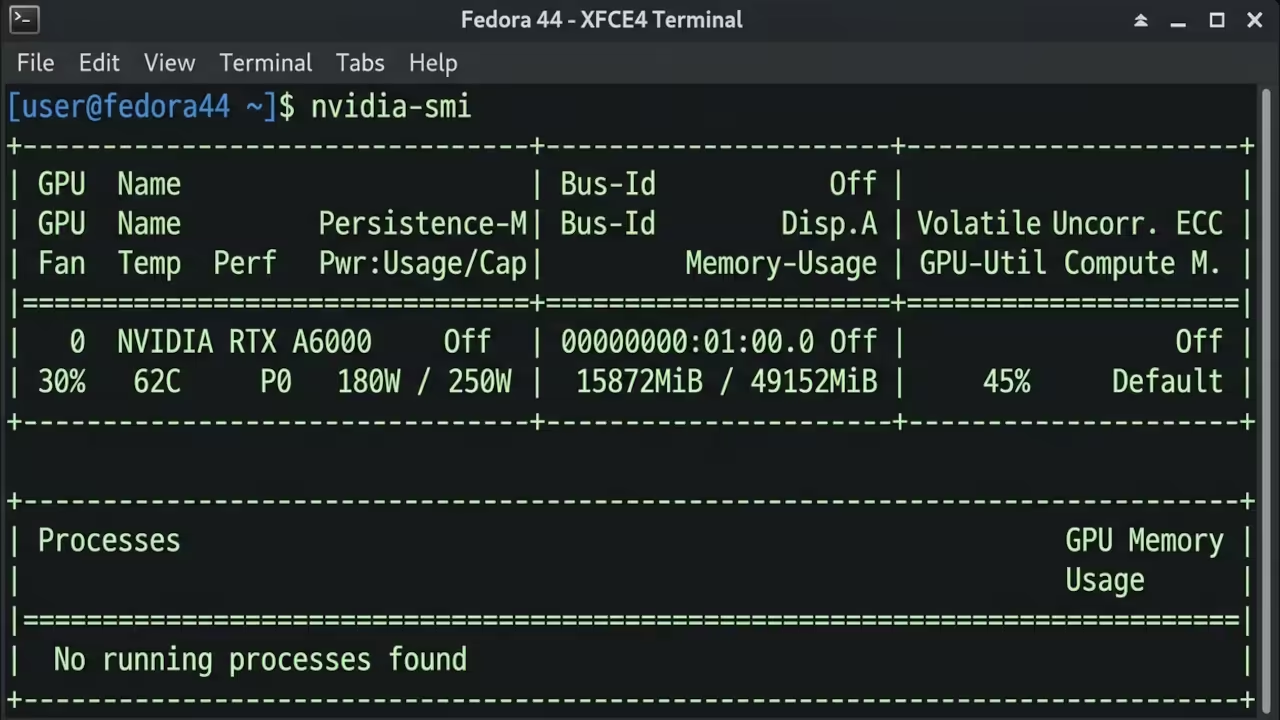
I also know the relief of watching a forty eight gigabyte RTX A6000 swallow a large language model whole without a single swap to system RAM. This is not theory. This is lived experience from the terminal.
The Hardware Landscape in 2026
The hardware landscape in 2026 is brutally honest about VRAM. The new RTX 5070 ships with twelve gigabytes at five hundred forty nine dollars. The RTX 5080 offers sixteen gigabytes at roughly one thousand dollars.
The RTX 5090 doubles that to thirty two gigabytes but demands two thousand dollars. Now look at the used market. An RTX A6000 with forty eight gigabytes of ECC protected GDDR6 VRAM trades for approximately eight hundred to one thousand two hundred dollars depending on condition.
| GPU Model | VRAM | Architecture | Approximate Price | Power Draw | ECC Support |
|---|---|---|---|---|---|
| RTX A6000 Used | 48 GB | Ampere | $800 to $1200 | 300W | Yes |
| RTX 5070 New | 12 GB | Blackwell | $549 | 230W | No |
| RTX 5080 New | 16 GB | Blackwell | $1000 | 360W | No |
| RTX 5090 New | 32 GB | Blackwell | $2000 | 575W | No |
| AMD Instinct MI60 | 32 GB | CDNA | Enterprise Pricing | 300W | Yes |
| GPU Model | VRAM | Architecture | Approximate Price | Power Draw | ECC Support |
Why Raw Throughput Means Nothing Without Memory
The raw compute throughput on newer architectures is impressive. Blackwell brings faster tensor cores and improved ray tracing pipelines. But raw throughput means nothing if your model cannot fit into memory.
I have watched RTX 4060 Ti boards with sixteen gigabytes swap twenty gigabytes to system RAM during inference. The result is painfully slow token generation that kills any productive workflow.
The Insider Configuration Detail Most Guides Skip
Enterprise cards like the RTX A6000 require active cooling solutions that are not always included in used listings. Verify that the blower fan assembly is intact before purchasing.
I configure mine with a custom fan curve using the nvidia-smi tool to maintain temperatures below sixty five degrees Celsius during sustained inference loads. This single configuration step extends the card life significantly and prevents thermal throttling that destroys throughput.
nvidia-smi -pm 1
nvidia-smi -pl 250
The power limit command above caps the A6000 at two hundred fifty watts. This reduces heat output while maintaining nearly full performance for AI workloads that are memory bandwidth bound rather than compute bound.
The ECC memory correction also eliminates silent data corruption during long training sessions. Consumer cards simply cannot offer this level of reliability.
ROCm and the Open Source AMD Alternative
The ROCm stack on AMD hardware tells a different story. AMD has expanded ROCm 7.2 support to both Windows and Linux in early 2026. The MI60 with its thirty two gigabytes of VRAM fits perfectly into the ROCm compatibility matrix for Fedora systems.
I run Vulkan based rendering alongside ROCm inference pipelines without conflicts. The open source nature of ROCm means full transparency into the driver stack. NVIDIA keeps their enterprise driver updates locked behind proprietary channels.
Thermal Design and Multi Card Deployments
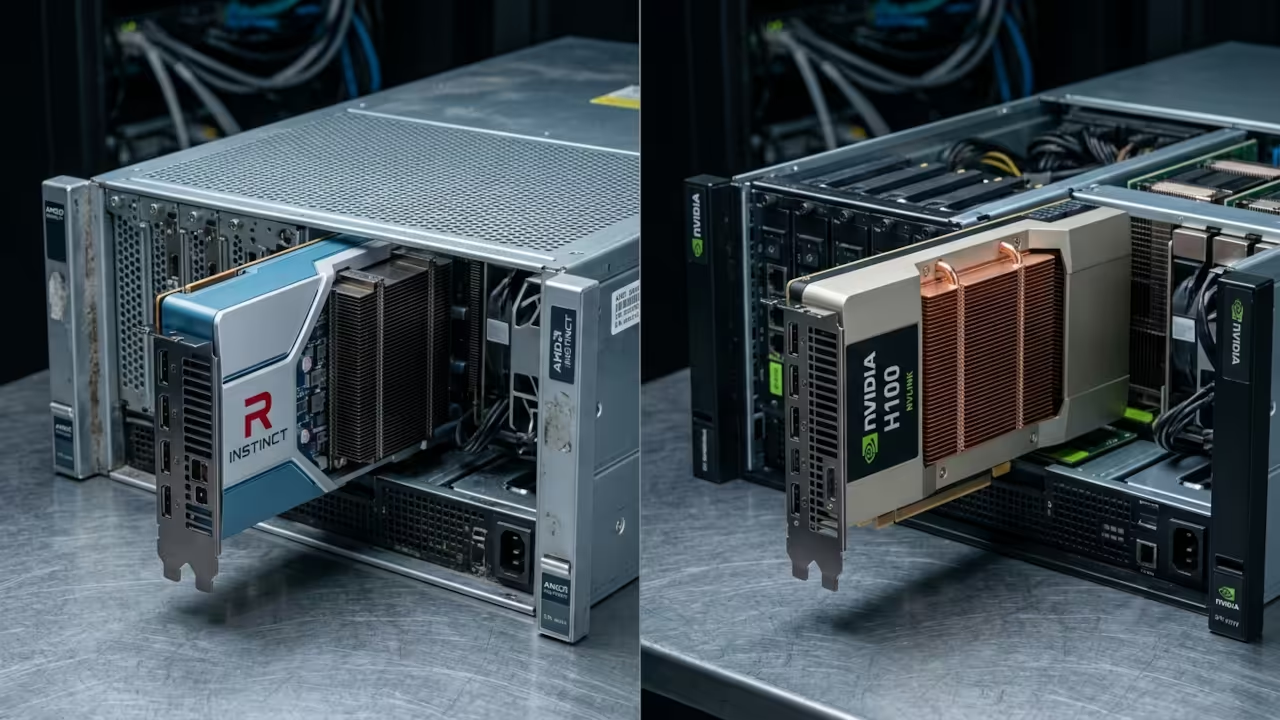
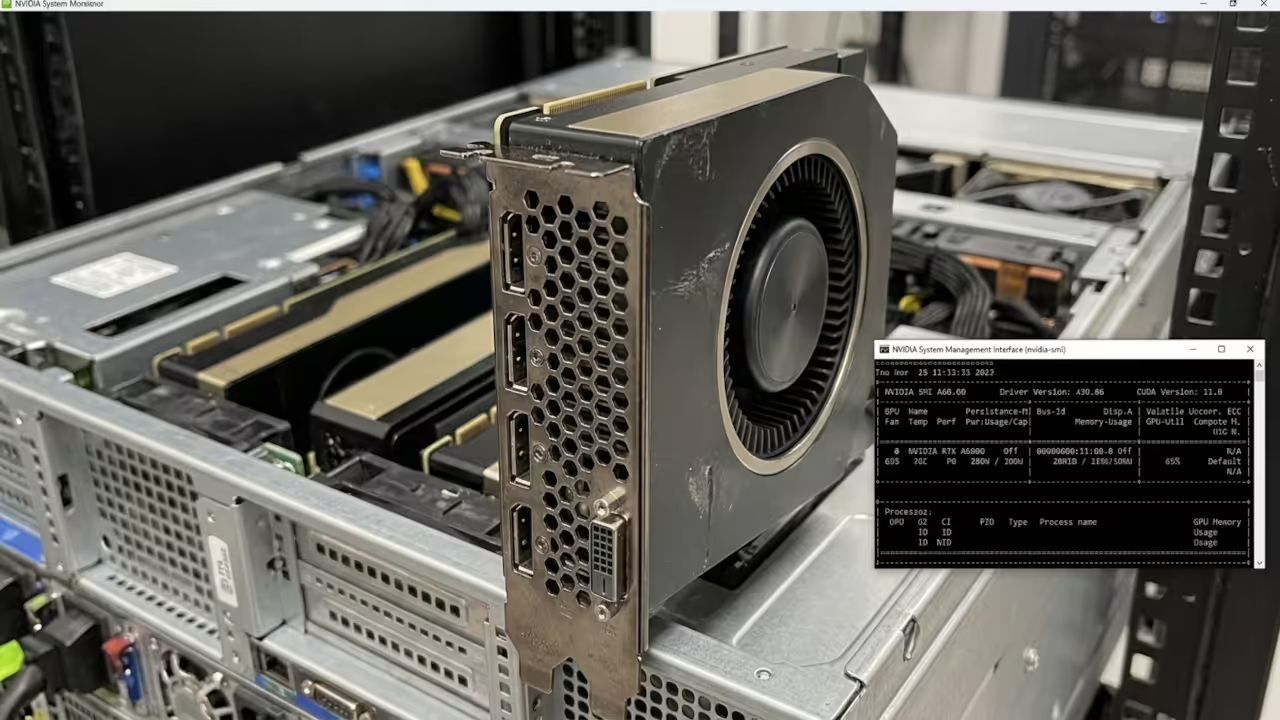
The cooling factor matters more than most buyers realize. Enterprise cards use blower style coolers that exhaust heat directly out of the chassis. Consumer cards rely on open air cooling that recirculates warm air inside your case.
When you stack two or more enterprise cards in a server chassis this becomes critical. The RTX A6000 fits standard full height full length PCIe slots and can be deployed in dual or quad configurations without thermal interference.
I have connected my Raspberry Pi Zero W via USB to monitor ambient case temperatures during heavy GPU sessions. The data is clear. Enterprise cards maintain stable temperatures even in enclosed server environments.
Consumer cards throttle aggressively when case temperatures exceed fifty degrees Celsius. This is the hidden cost of the consumer design philosophy.
Alternative Enterprise Options in the Used Market
The used enterprise market also offers cards like the NVIDIA A40 with forty eight gigabytes of VRAM. These cards trade at similar price points to the A6000 and offer comparable inference performance.
The A40 uses a passive cooling design requiring external blower fans. This makes it ideal for server deployments but challenging for desktop workstations without custom cooling solutions.
Master the Professional Stack
Every optimization discussed in this article connects directly to the architectural blueprints available on my Amazon Author Page. These resources provide the theoretical foundation for building scalable GPU infrastructure from the ground up.
- Books (Technical and Creative): https://www.amazon.com/stores/Edward-Ojambo/author/B0D94QM76N
- Blueprints (DIY Woodworking Projects): https://ojamboshop.com
- Tutorials (Continuous Learning): https://ojambo.com/contact
- Consultations (Custom Apps and Architecture): https://ojamboservices.com/contact
The decision between used enterprise and new consumer GPUs is not about brand loyalty. It is about matching your workload to the right memory architecture.
If you need raw VRAM for local AI models the used enterprise market delivers unmatched value. If you need the latest rasterization performance for gaming the consumer stack wins. Know your priority before you spend.
🚀 Recommended Resources
Disclosure: Some of the links above are referral links. I may earn a commission if you make a purchase at no extra cost to you.