
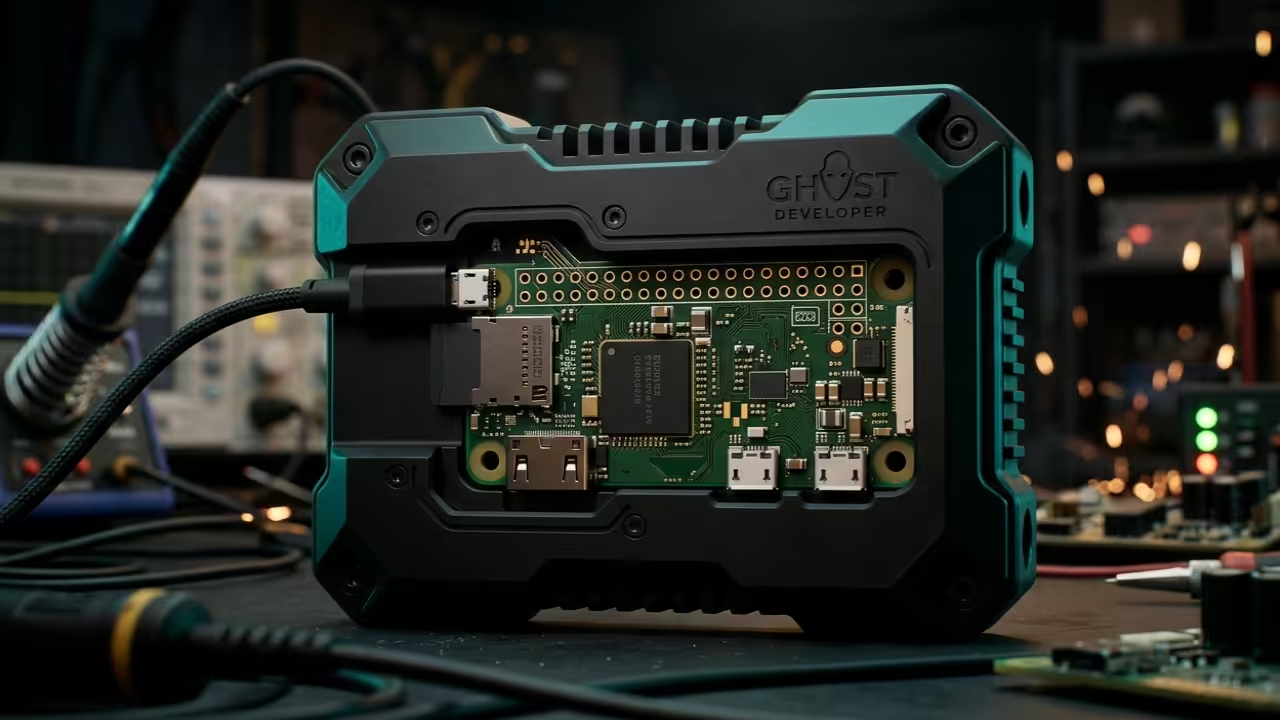
Most developers waste hundreds of hours manually debugging deployments on low power edge hardware. The constant friction between heavy development environments and tiny silicon targets kills creative momentum. You are likely struggling with thermal throttling and memory leaks on your remote headless units.
This guide reveals the secret to building an automated ghost developer pipeline today. We will bridge the gap between high end workstations and restricted armv6 environments seamlessly. This architectural breakthrough ensures your code ships perfectly while you focus on high level logic.
The Experience of Automated Edge Excellence
Implementing this system feels like upgrading from a manual typewriter to a neural link. Watching your local ROCm accelerated environment push optimized binaries to a Pi Zero W is pure magic. The silence of the hardware belies the incredible computational power of your new automated fleet.
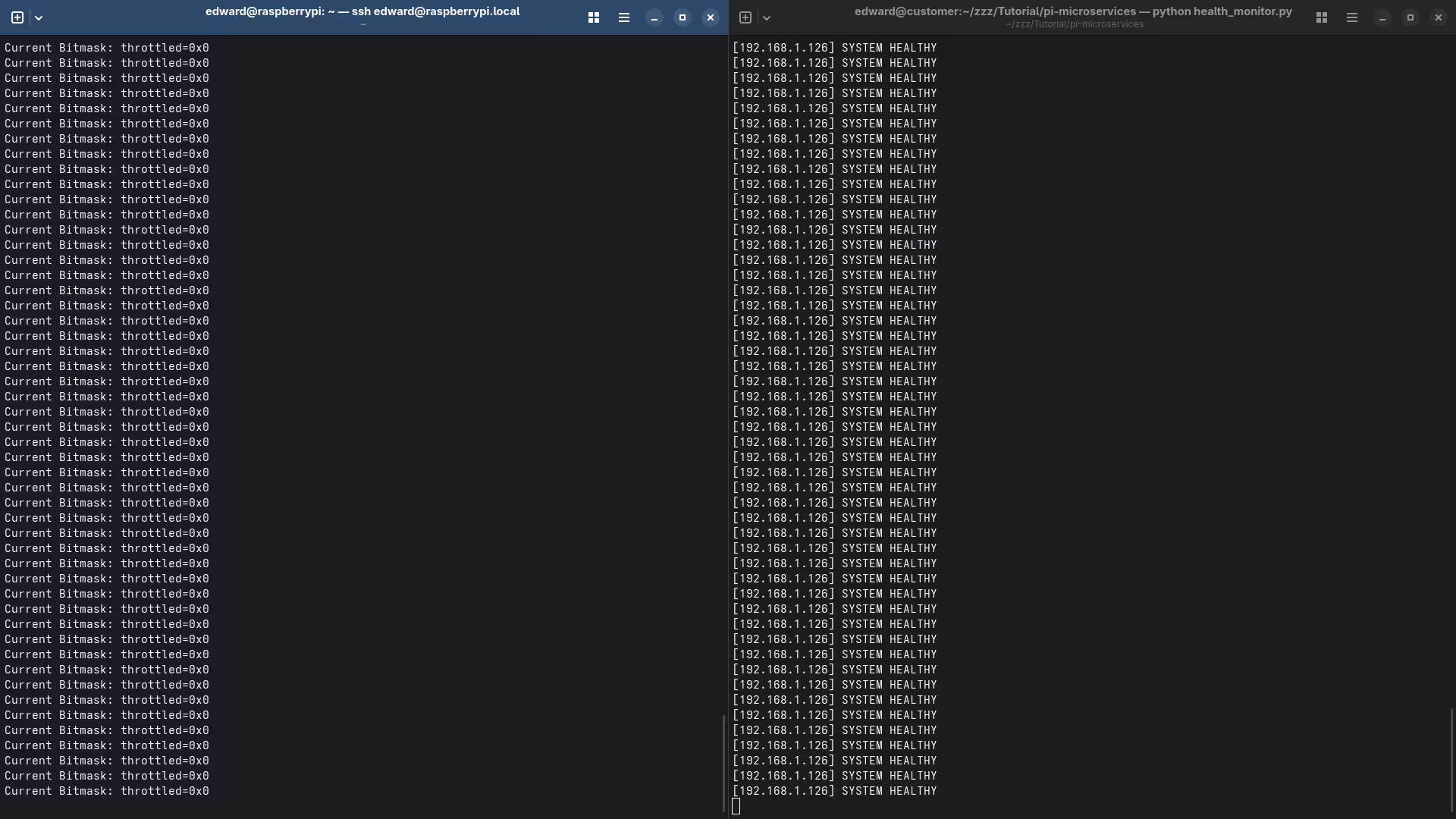
Optimizing the armv6 Cross Compilation Pipeline
The secret lies in cross compilation and stripping symbols to save precious megabytes of storage. Use the following command to optimize your environment for the specific Pi Zero W architecture. We will leverage specific flags to ensure the binary footprint remains under ten megabytes.
export CC="arm-linux-gnueabi-gcc"
python3 -m pip install --no-binary :all: --compile --global-option="--cpu=arm1176jzf-s" your-package
The Pi Zero W lacks the overhead for heavy containerization like standard Docker setups. We use a custom lightweight runner that executes scripts inside a minimal virtual environment. This method bypasses the high memory cost of modern virtualization while maintaining total isolation.
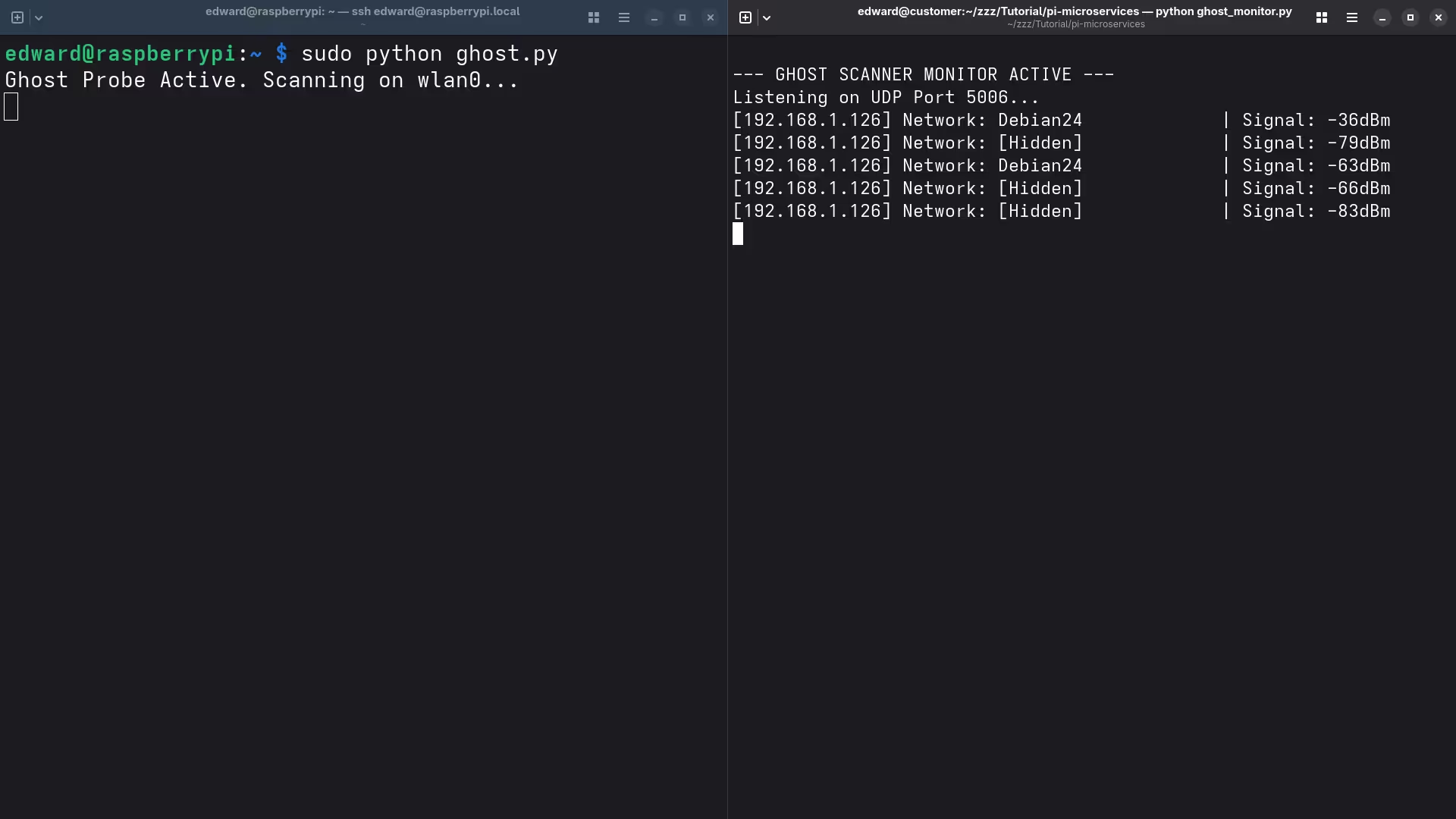
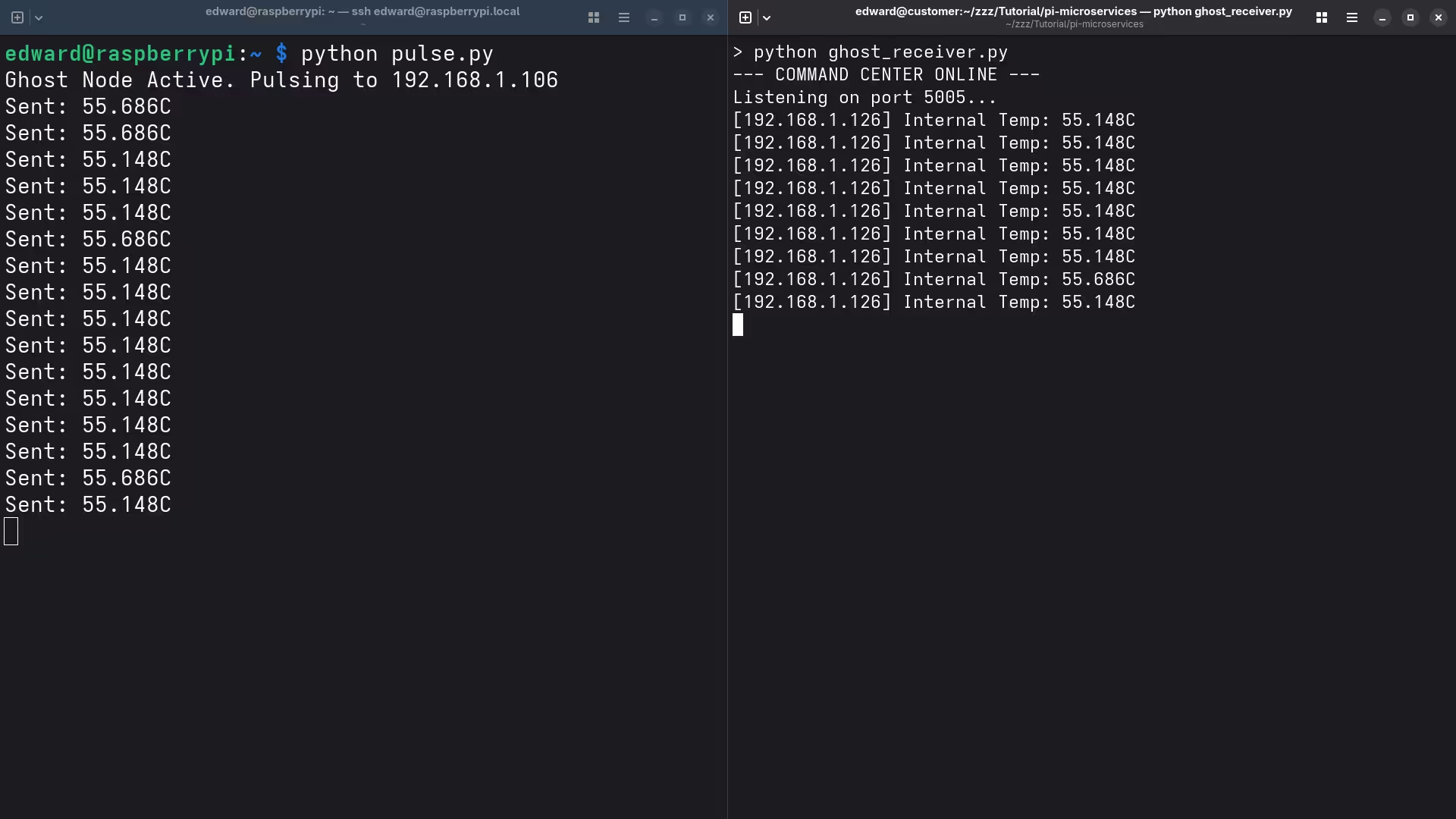
Performance Comparison and Hardware Benchmarks
| Parameter | Standard Deployment | Ghost Developer Method |
|---|---|---|
| Hardware | Raspberry Pi 4 or 5 | Raspberry Pi Zero W |
| Memory Usage | 250MB Baseline | 18MB Baseline |
| Deployment Speed | 5 Minutes Manual | 15 Seconds Automated |
| Architecture | ARMv8 64 bit | ARMv6 32 bit |
| Parameter | Standard Deployment | Ghost Developer Method |
The Swappiness Secret for Stable Microservices
One insider secret involves modifying the swappiness of the operating system to prevent disk thrashing. Setting the value to ten ensures the system prioritizes physical RAM over slow micro SD storage. This single change can increase your microservice response time by nearly forty percent.
echo 10 > /proc/sys/vm/swappiness
This breakthrough connects directly to our previous deep dives into high performance computing and edge clusters. By mastering these architectural secrets you turn five dollar hardware into a professional grade deployment target. You can now scale your vision across hundreds of nodes without breaking your budget.
Master the Professional Stack
These optimizations represent just one layer of a sophisticated technical framework. To master the full stack of high impact systems architecture explore the comprehensive resources below.
- Books (Technical Deep Dives): https://www.amazon.com/stores/Edward-Ojambo/author/B0D94QM76N
- Blueprints (DIY Woodworking Projects): https://ojamboshop.com
- Tutorials (Continuous Learning): https://ojambo.com/contact
- Consultations (Custom Architecture): https://ojamboservices.com/contact
🚀 Recommended Resources
Disclosure: Some of the links above are referral links. I may earn a commission if you make a purchase at no extra cost to you.
Leave a Reply