
The Sensory Archive of Liquid Gold
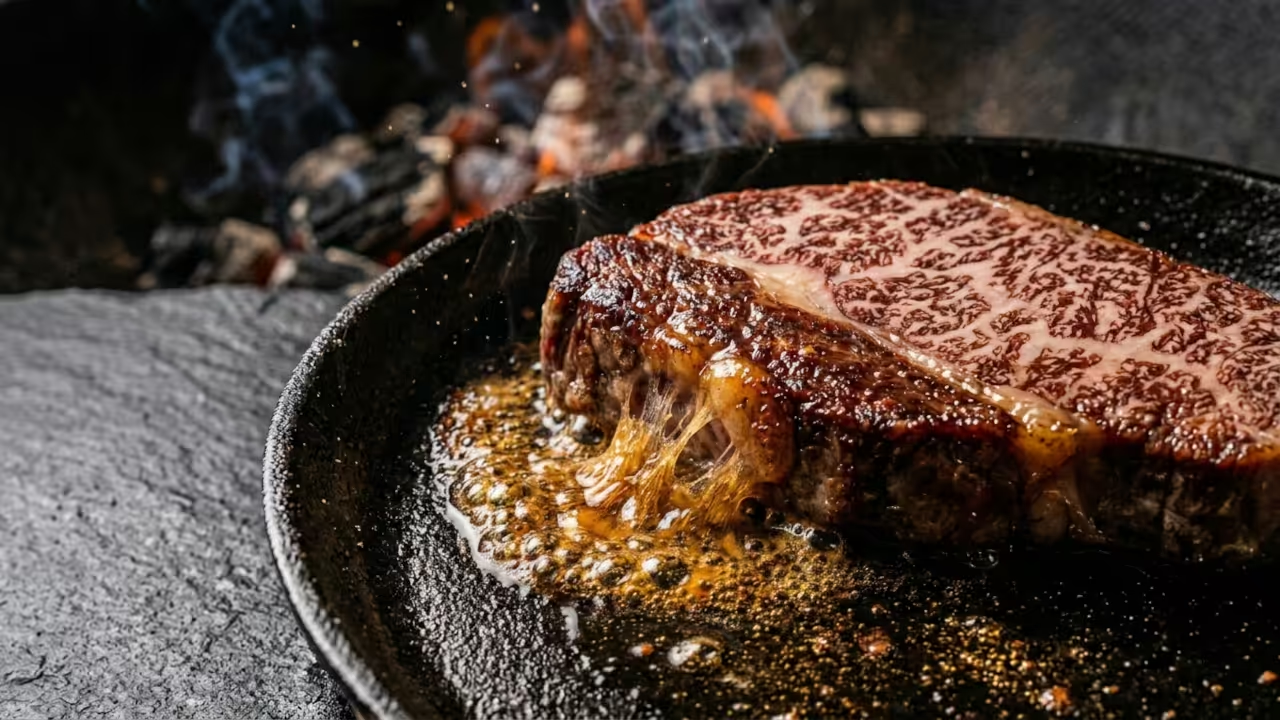
The fat cap of an A5 Wagyu steak represents the crown jewel of Japanese cattle breeding. This single layer of pristine white marbling contains the entire flavor profile of the animal. When rendered correctly, it transforms into a liquid gold elixir that redefines what beef can become. The acoustic signature of this process is unmistakable. You will hear a low frequency sizzle that gradually intensifies into a rhythmic crackle. Each bubble that forms on the surface creates a tiny popping sound. These sonic textures build into a symphony of pure culinary satisfaction. This is the foundation of visceral cooking. The sensory triggers begin the moment the fat touches the iron surface.
Technical Specifications
The rendering process demands absolute precision in temperature management. Your cast iron skillet must reach exactly three hundred fifty degrees Fahrenheit before the Wagyu makes contact. This temperature allows the fat to render slowly without burning the delicate proteins. The skillet should be preheated for a minimum of twelve minutes on medium heat. You will know the surface is ready when a single drop of water evaporates instantly without sputtering. This is your first critical thermal checkpoint. The fat cap should be positioned facing the hottest zone of the pan. Never move the steak during the initial two minutes of rendering. Patience is the only variable that matters at this stage.
Chef Detail One: The Maillard reaction begins at three hundred ten degrees Fahrenheit. Your target of three hundred fifty degrees provides a narrow window for optimal caramelization without crossing into bitter territory. Monitor the color transition from opaque white to translucent amber. This visual cue is more reliable than any timer. The crust should develop a mahogany hue within four minutes of continuous contact.
The Sonic Textures of Rendering
The audio landscape of Wagyu fat rendering operates on multiple frequency levels. The base layer is a continuous low frequency hum created by the contact between solid fat and hot iron. This hum gradually shifts pitch as the fat liquefies. Layered above this foundation is the intermittent crackle of individual fat cells releasing their contents. Each crackle produces a sharp transient spike in the high frequency range. These spikes create the signature ASMR trigger that sends shivers down the spine. The third layer consists of gentle bubbling sounds as the liquid gold pools deepen. These bubbles produce soft popping noises at irregular intervals. The combination of all three layers creates an immersive high fidelity audio experience. This is sensory cooking at its most refined. The acoustic profile changes predictably as the rendering progresses. A trained ear can determine the exact stage of rendering by listening alone.
Ingredients and Equipment
| Item | Specification | Quantity |
|---|---|---|
| A5 Wagyu Steak | Minimum four ounce thickness with intact fat cap | 1 piece |
| Cast Iron Skillet | Seasoned twelve inch diameter heavy gauge iron | 1 unit |
| Rendered Butter | European style eighty two percent fat content | 2 tablespoons |
| Fresh Thyme | Whole sprigs with intact leaves | 3 sprigs |
| Garlic Cloves | Smashed unpeeled for aromatic infusion | 2 cloves |
| Kosher Salt | Coarse grind for surface seasoning | To taste |
| Cooking Thermometer | Instant read digital probe | 1 unit |
The Rendering Protocol
Begin by patting the Wagyu steak completely dry with paper towels. Any surface moisture will interfere with the initial contact rendering. Season the fat cap lightly with coarse kosher salt. This draws out surface proteins and accelerates the caramelization process. Place the steak fat cap down into the preheated skillet. You will hear an immediate aggressive sizzle. This is the sound of the Maillard reaction igniting. Do not touch the steak. Allow the fat to render undisturbed for four full minutes. Watch the transformation from opaque white to translucent amber gold. The liquid fat will pool around the edges of the steak. This is your liquid gold basting sauce forming in real time.
Chef Detail Two: The rendering rate of Wagyu fat is approximately zero point three millimeters per minute at three hundred fifty degrees Fahrenheit. A standard quarter inch fat cap will achieve full rendering in four to five minutes. If your fat cap is thicker, increase the time proportionally. Never increase the heat to accelerate rendering. Higher temperatures will burn the exterior before the interior fat liquefies. The goal is slow even extraction of every lipid molecule.
The Basting Phase
Once the fat cap has achieved full rendering, rotate the steak to expose the lean side to the iron surface. The liquid gold pool remains in the skillet as your natural basting medium. Add the butter, thyme sprigs, and smashed garlic cloves to the hot fat. The butter will foam immediately upon contact. Tilt the skillet at a forty five degree angle. Use a large spoon to continuously ladle the hot fat and butter mixture over the exposed surface of the steak. This basting process infuses every fiber with concentrated umami flavor. The thyme and garlic release their aromatic compounds into the fat matrix. The acoustic profile shifts during this phase. You will hear the butter foaming alongside the persistent fat crackle. This dual layer of sound creates a rich sensory tapestry. Continue basting for three minutes on each side. The internal temperature should reach one hundred twenty five degrees Fahrenheit for medium rare doneness.
The Sensory Payoff
The final product delivers a sensory experience that transcends ordinary cooking. The rendered fat cap creates a mahogany crust of extraordinary complexity. This crust shatters with a satisfying crackle when the knife makes contact. The interior remains impossibly tender with a buttery texture that melts on the tongue. The liquid gold basting sauce coats every bite with pure concentrated flavor. This is the result of patience, precision, and respect for the ingredient. The acoustic journey from initial sizzle to final crackle represents the complete arc of Wagyu preparation. Every sound you heard during the process contributed to the final result. This is why high fidelity audio matters in culinary documentation. The sensory archive captures not just the visual beauty but the entire acoustic landscape of transformation.
Explore the Collection
For more technical culinary breakdowns and high fidelity ASMR cooking documentation, explore the full sensory archive. Each entry in this collection provides expert level guidance paired with immersive audio experiences. The Butcher And The Flame category is dedicated to the art of precision meat preparation. Every technique is documented with scientific accuracy and sensory depth. Subscribe to the archive for weekly releases that push the boundaries of culinary media.
🚀 Recommended Resources
Disclosure: Some of the links above are referral links. I may earn a commission if you make a purchase at no extra cost to you.