
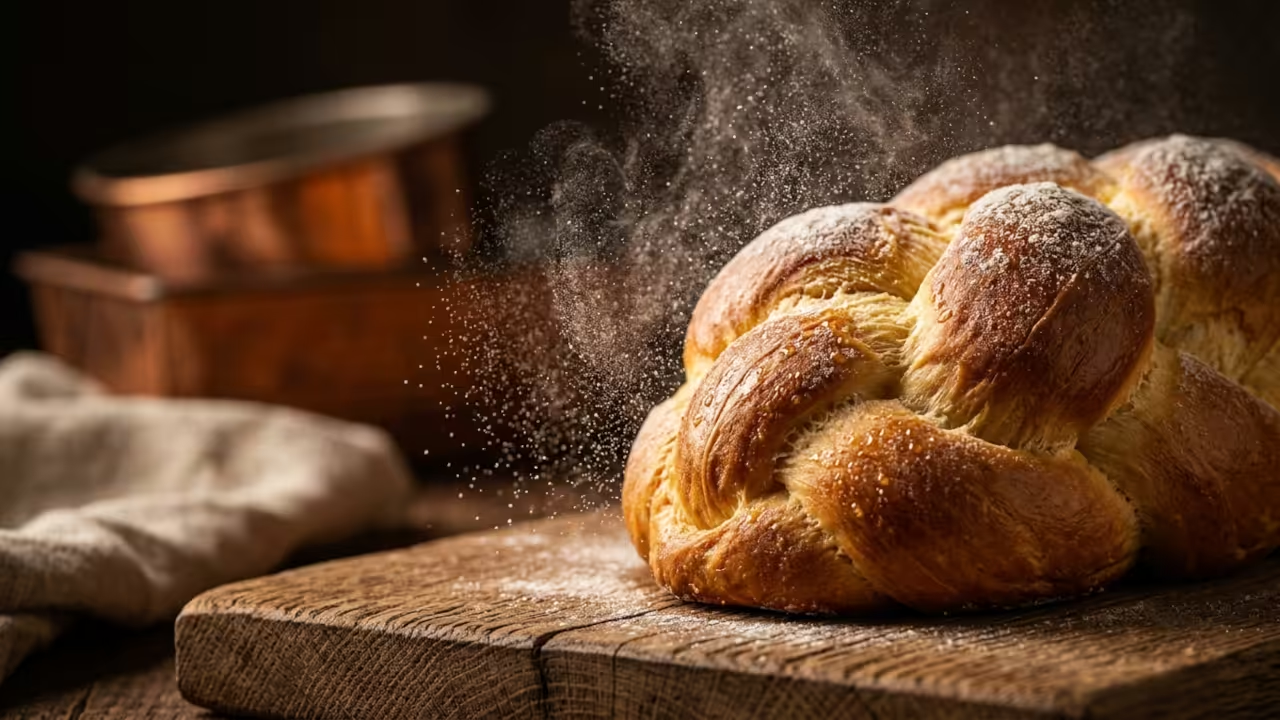
The Brioche Braid Tension Pull
| Parameter | Value |
|---|---|
| Prep Time | 45 minutes plus overnight cold ferment |
| Cook Time | 25 to 30 minutes |
| Rest Time | 5 minutes post bake |
| Yield | One braided loaf approximately 12 inches |
| Target Temperature | 180 degrees Fahrenheit internal |
| Oven Temperature | 375 degrees Fahrenheit |
The Brioche Braid Tension Pull represents the pinnacle of laminated dough architecture. Every strand matters. Every fold creates structural integrity. The honeycomb crumb does not form by accident. It emerges from precise butter incorporation and controlled tension distribution across the braided pattern.
The acoustic signature of a perfect braid pull is unmistakable. Listen closely as the dough separates along the butter planes. You will hear a soft whisper. That is the sound of gelatinized starch releasing from the protein network. The honeycomb structure parts cleanly without resistance. A torn loaf signals underproofing or insufficient butter layering. A clean pull confirms technical mastery.
Technical Specifications
| Ingredient | Quantity | Function |
|---|---|---|
| Enriched flour | 500 grams | Structural gluten network |
| Unsalted butter | 250 grams | Layer stratification and flavor |
| Whole eggs | 4 large | Emulsification and richness |
| Granulated sugar | 50 grams | Caramelization and browning |
| Fine sea salt | 10 grams | Flavor balance and gluten strength |
| Active dry yeast | 7 grams | Leavening and crumb development |
| Whole milk | 120 milliliters | Hydration and tenderness |
| Equipment | Specification | Purpose |
|---|---|---|
| Copper baking sheet | 18 by 13 inches | Even heat distribution |
| Digital thermometer | Instant read | Internal temperature verification |
| Bench scraper | Stainless steel | Clean dough division |
| Proofing basket | Round or oval | Shape retention during fermentation |
| Wire cooling rack | Elevated | Steam escape and crust crisping |
The enrichment ratio defines brioche character. A fifty percent butter to flour ratio creates the signature richness. The butter must remain cool during incorporation. Warm butter will melt into the dough rather than forming distinct layers. Cold butter creates the laminated structure that produces the honeycomb crumb.
Chef Detail One: Target an internal dough temperature of seventy five degrees Fahrenheit after mixing. This ensures the butter remains solid while the gluten develops. Use cold milk and refrigerated eggs to control the thermal mass during kneading.
The braiding technique creates the tension pattern. Three strands work best for structural integrity. Braid tightly but not aggressively. The dough must retain its proofed volume. Over braiding compresses the gas pockets and destroys the honeycomb formation. Under braiding fails to create the tension release that defines this technique.
The proofing stage determines the acoustic quality of the pull. Allow the braided loaf to proof at eighty two degrees Fahrenheit for approximately two hours. The loaf should double in volume. Gently press the surface. The indent should slowly spring back. This indicates optimal gas retention and gluten elasticity.
Chef Detail Two: Bake at three hundred seventy five degrees Fahrenheit for twenty five to thirty minutes. The internal temperature must reach one hundred eighty degrees Fahrenheit. The crust should achieve deep golden caramelization. The Maillard reaction creates the complex flavor compounds and the crisp exterior that contrasts with the soft interior.
Now comes the moment of truth. The Brioche Braid Tension Pull. Allow the loaf to rest for exactly five minutes after removal from the oven. This rest period allows the steam to redistribute and the crumb to set. Immediate pulling will collapse the structure.
Apply gentle lateral pressure at the center braid seam. Use both hands. Pull slowly and evenly. The braid should separate strand by strand. Listen to the acoustic release. The honeycomb crumb whispers as it parts. Steam escapes from the warm interior in visible tendrils. Butter glistens between each dough layer. This is the sensory payoff of technical precision.
Sonic Textures and ASMR Properties
The sonic texture of the pull deserves dedicated attention. The initial separation produces a soft sighing sound. This is the steam escaping from the compressed gas pockets. As the braid opens further, you will hear a gentle crackling from the crust. The caramelized exterior flexes and releases tension. The interior crumb produces no sound at all. Perfect brioche is silent inside. The honeycomb structure is too tender to create acoustic resistance.
Watch the steam behavior during the pull. Volumetric tendrils curl upward from the exposed crumb. Each layer of dough releases its trapped moisture. The butter between layers begins to melt and glisten under the ambient light. This visual and acoustic combination creates the complete ASMR experience. The sight of steam, the sound of crust crackle, and the sight of glistening butter work together to trigger sensory satisfaction.
The cooling phase preserves the acoustic qualities. Place the pulled loaf on a wire rack. The elevated surface allows air circulation. The crust maintains its crispness while the interior stays warm. The contrast between crisp exterior and soft interior is the hallmark of professional brioche.
Store any remaining brioche in a paper bag at room temperature. Plastic wrapping traps moisture and softens the crust. The acoustic quality degrades when the crust loses its crispness. A stale loaf will not produce the same whisper during the pull. Freshness matters for the complete sensory experience.
Explore the Full Sensory Archive at The Bakery & The Pull category for more technical breakdowns and ASMR culinary content.
The Brioche Braid Tension Pull is more than a baking technique. It is a sensory event. The visual beauty of the honeycomb crumb. The acoustic satisfaction of the clean pull. The aroma of toasted butter and caramelized crust. These elements combine to create an experience that transcends simple bread making. This is culinary architecture. This is the bakery elevated to art.
🚀 Recommended Resources
Disclosure: Some of the links above are referral links. I may earn a commission if you make a purchase at no extra cost to you.