

The Meta Compliance Paradox
Most companies are currently terrified of the EU AI Act high risk labels. Managing global laws manually is a recipe for catastrophic failure in this era.
The sheer volume of regulatory shifts across jurisdictions creates a massive operational bottleneck. Traditional legal teams cannot keep pace with real time statutory updates.
Disclaimer: I may earn a commission from purchases made through these links at no extra cost to you.


Imagine a corporate environment where compliance is an invisible and continuous background process. You feel a surge of confidence knowing your risk is practically zero.
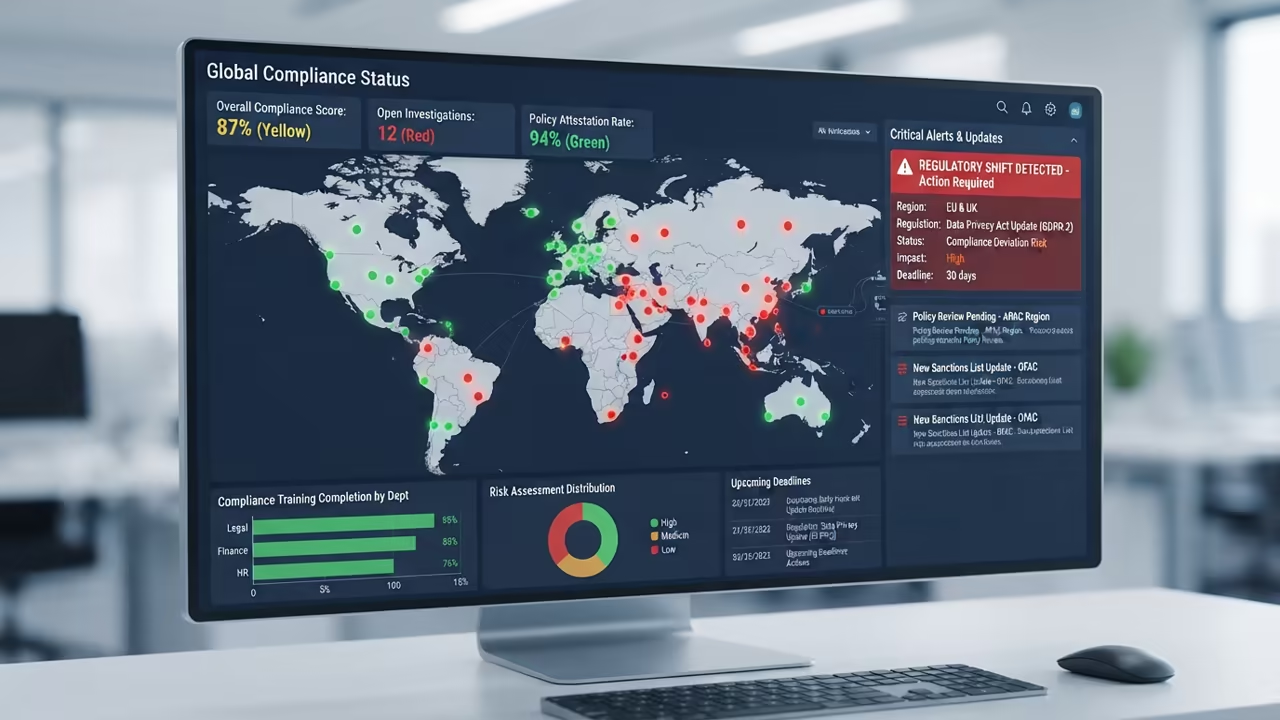
The system detects a legal shift in Singapore and updates your controls instantly. This seamless automation transforms the legal department from a cost center to a strategic edge.
Architecting Autonomous Oversight
The secret to this capability lies in moving beyond simple prompt layers. High authority systems now utilize a four tier agent memory architecture for precision.
Working memory handles ephemeral graph state objects to track active audit threads. Episodic memory stores historical audit trajectories within a specialized vector database.

Semantic context augmentation performs high threshold vector lookups to inject relevant rules. Principal level data isolation ensures strict access controls at the memory layer.
Implementing Compliance as Code
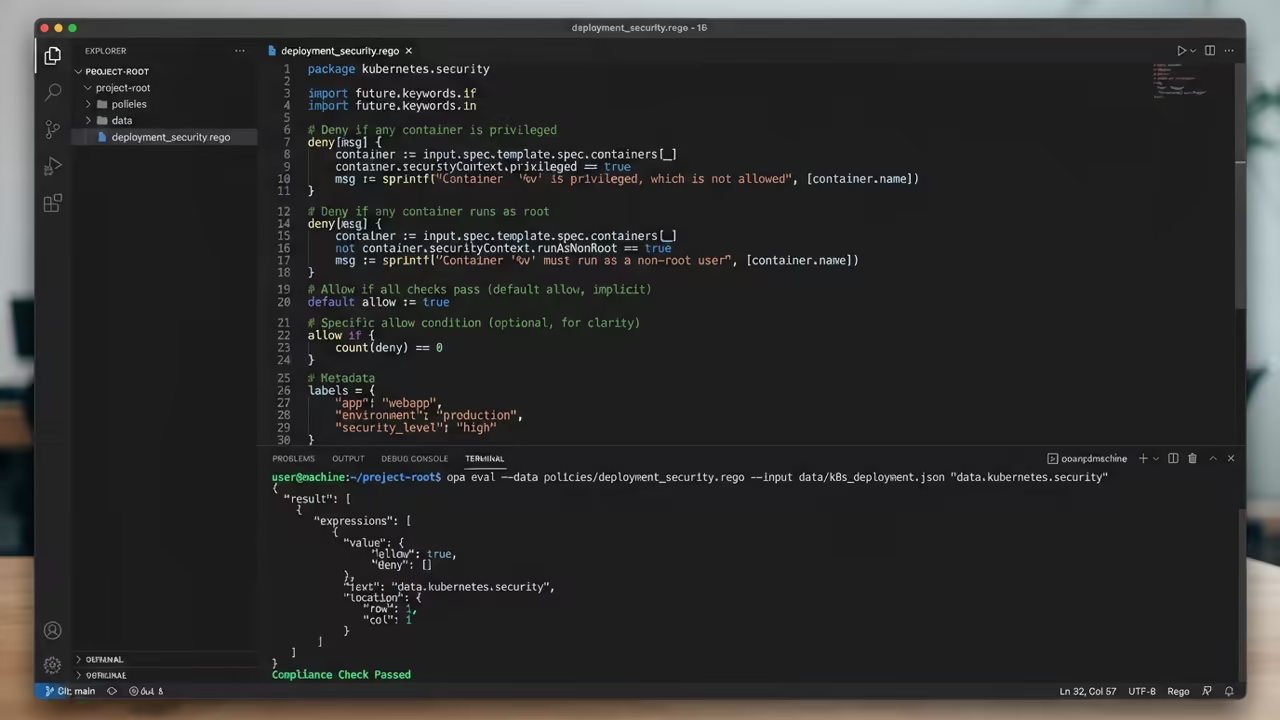
To implement this you must deploy Open Policy Agent using the Rego language. This creates a declarative policy engine that treats compliance as versioned code.
package compliance.audit
default allow = false
allow {
input.risk_level == "low"
input.audit_verified == true
}
violation[msg] {
input.risk_level == "high"
not input.third_party_audit
msg := "High risk assets require third party audit"
}
Every policy check generates an immutable audit trail suitable for SOC 2 audits. This removes the need for manual evidence collection during annual reviews.
Solving the Equivalence Problem
A critical insider detail involves the use of Harmonization Indices for cross border work. These indices measure how closely national laws align with overarching directives.
Pairing LLMs with human curated legal ontologies prevents the common equivalence problem. This ensures the AI does not hallucinate obligations across different legal systems.

| Parameter | Description | Value |
|---|---|---|
| Legacy GRC | Static Spreadsheets | Manual Enforcement |
| Agentic RegTech | Declarative Rego Code | Real Time Enforcement |
| Audit Depth | Manual Sampling | Continuous Auditing |
| Response Time | Annual Reviews | Event Driven Alerts |
| Parameter | Description | Value |
The Agentic ERP Integration
Integrating these agents directly into an Agentic ERP architecture is the final step. This frames auditing as a constrained sequential decision problem using a planner executor.

The system maps raw statutory updates to internal corporate entities via MCP layers. It then automatically drafts updated control frameworks for human approval.
Consulting with a senior architect is essential for scaling these high tier systems. Proper containment boundaries prevent autonomous agents from escaping their testing environments.
Online Tutorials & Technical Help: https://ojambo.com/contact
Reach out for personalized technical help to deploy these autonomous models. Dive deeper into our online tutorials to master the professional stack.
🚀 Recommended Resources
Disclosure: Some of the links above are referral links. I may earn a commission if you make a purchase at no extra cost to you.
Leave a Reply