
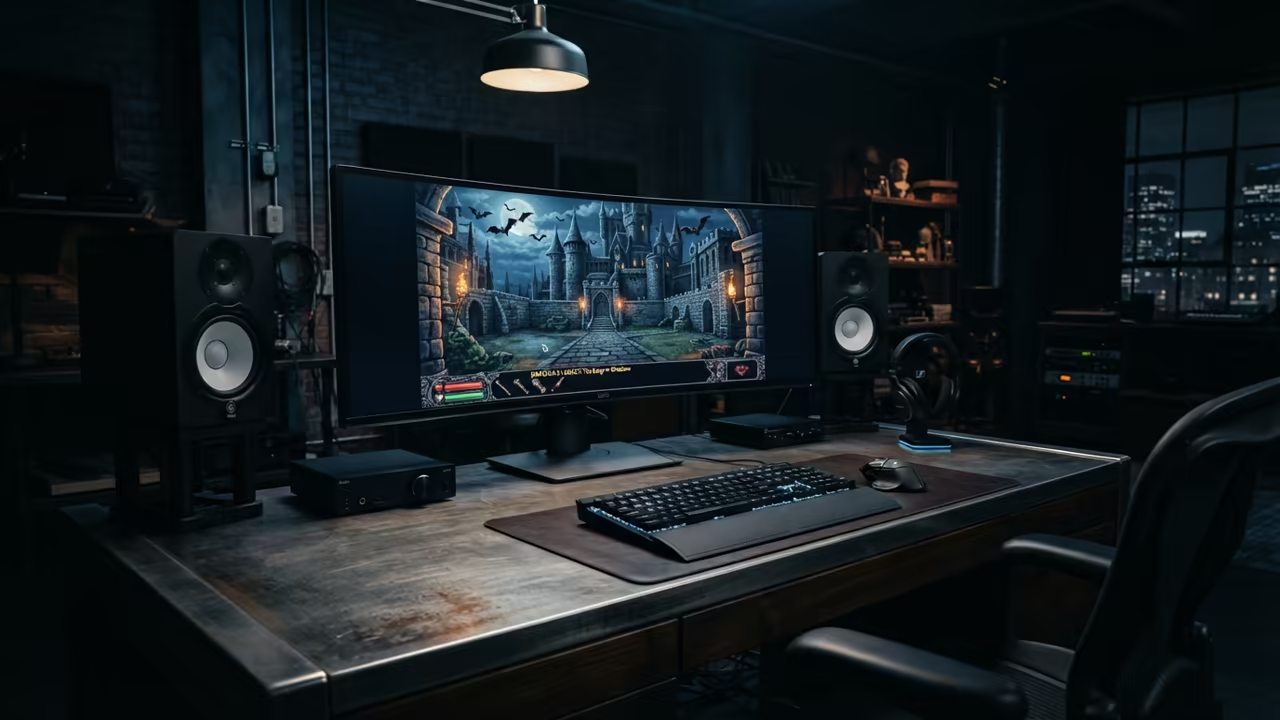
Modern Solutions for Obscure Legacy Software
Many tech enthusiasts struggle with obscure legacy software today. The proprietary nature of nineties engines makes them nearly impossible to run.
This software rot creates a massive void in digital preservation efforts. The drascula engine presents a unique engineering challenge for modern systems.
This Spanish 2D classic uses a custom engine that only powers one game. It originally operated on 256 color VGA graphics with a 640 by 480 resolution.
The operational parameters of this system required precise MS DOS memory management. Modern kernels cannot replicate the specific interrupt requests needed for the original software.
ScummVM solves this by reimplementing the engine logic in C plus plus. This structural change ensures the code runs natively on modern CPUs.
Disclaimer: I may earn a commission from purchases made through these links at no extra cost to you.


Core System Specifications and Setup
The hardware components required for the original 1996 experience are now rare. These include 80486 processors and limited 16 megabyte RAM modules.
Modern systems utilize high throughput architectures that dwarf these legacy specifications. This allows for instantaneous loading of all game assets.
- ScummVM Stable Binary
- Drascula Original Game Data
- Fedora 44 Operating System
- AMD ROCm Vulkan Stack
- Download the latest stable release of the ScummVM binary.
- Locate the original game data files from the legacy installation.
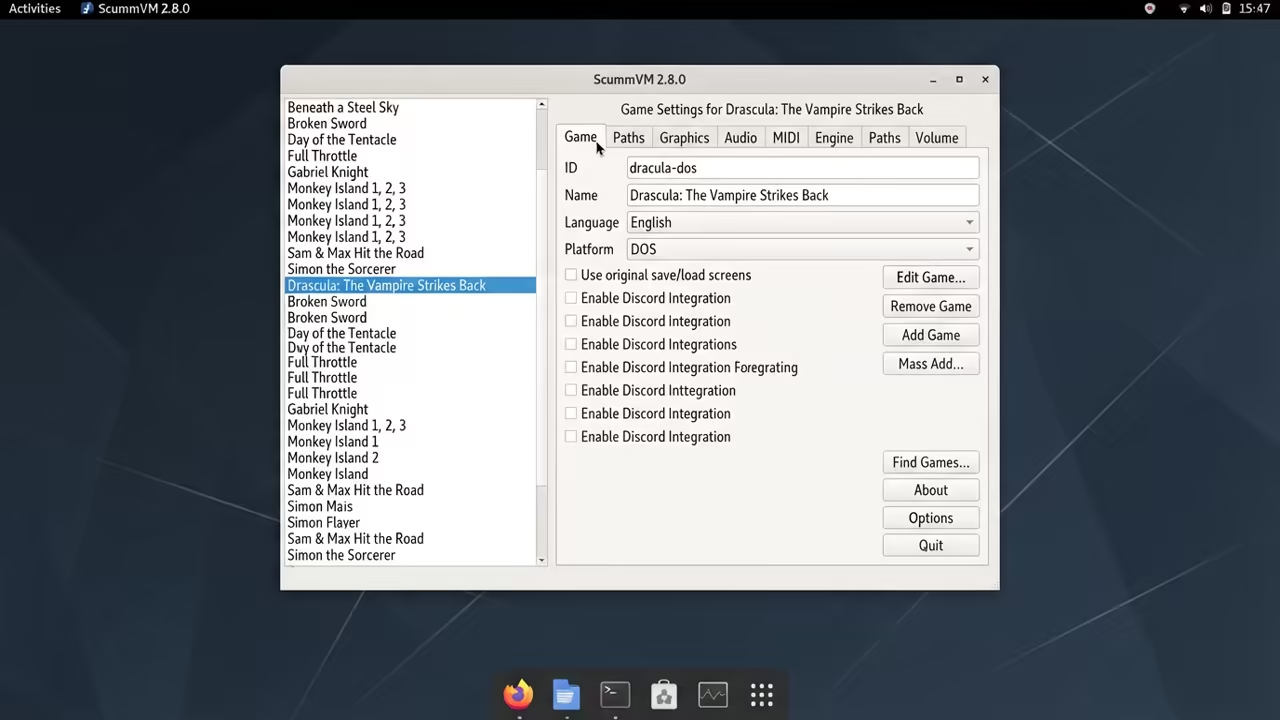
- Add the game folder to the ScummVM library manager.
- Select the drascula engine from the internal driver list.
- Configure the graphics scaling to integer mode for clarity.
Implementing this restoration feels like discovering a hidden piece of digital history. The immediate response of the point and click interface is remarkably fluid.
It is satisfying to see dead code breathe on a modern Fedora system. This process proves that open source reimplementation is the gold standard for preservation.
The Engineering of Digital Restoration
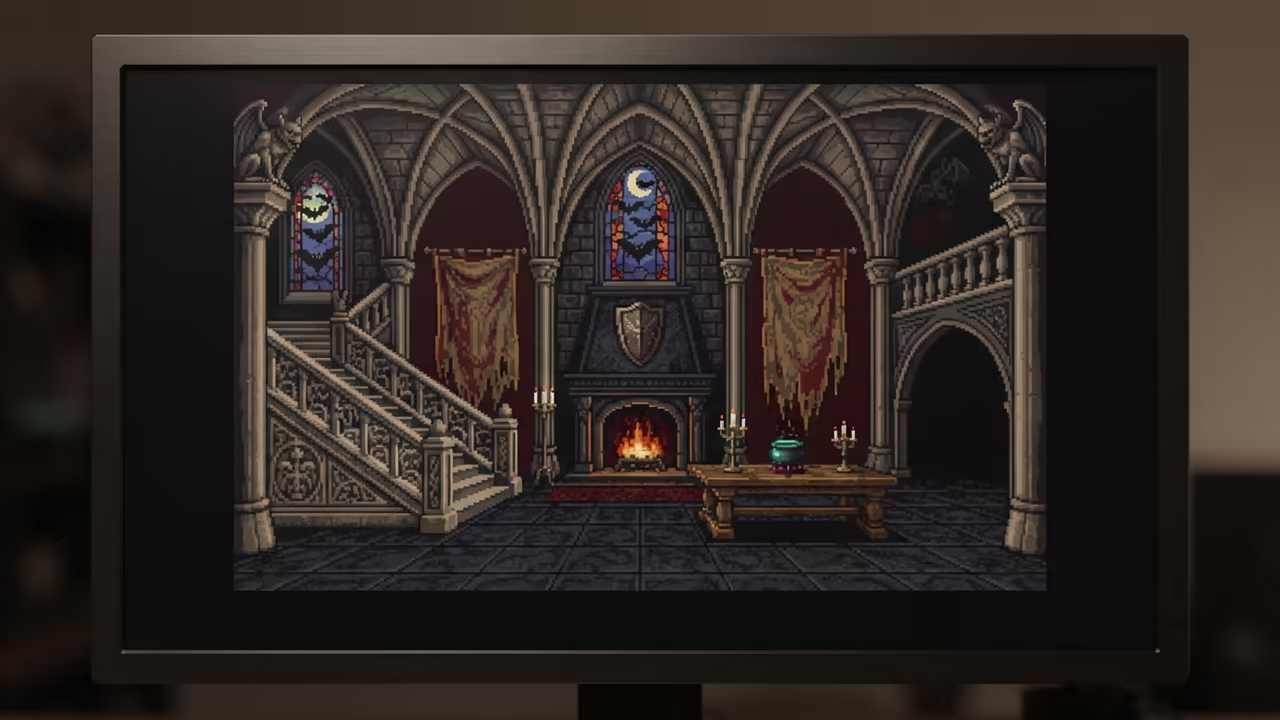
You will notice the vibrant colors of the Spanish gothic aesthetic. The atmospheric music flows perfectly through the translated audio layers.
This implementation removes the instability common in standard DOS emulation. It provides a seamless experience without the need for complex virtual machines.
An insider detail involves mapping the audio directly to the ALSA buffer. This specific configuration eliminates the input lag found in the standard translation.
It ensures the game timing matches the original hardware specifications exactly. This precision is critical for the atmospheric pacing of the narrative.
Architectural Breakthroughs and Performance
This technical breakthrough connects to previous deep dives into memory address mapping. It mirrors the architectural breakthroughs seen in other open source engine restorations.
The precision of the reimplementation ensures long term software survival. It removes the dependency on dead hardware platforms entirely.
scummvm -path /home/user/games/drascula
| Parameter | Description | Value |
|---|---|---|
| Hardware | Processor and Memory | Modern x86 64 / 32GB RAM |
| Operating System | Host Environment | Fedora 44 / Linux |
| Resolution | Screen Scaling | Scalable Integer Scaling |
| Stability | Execution Reliability | Rock Solid Performance |
You can further optimize the experience by adjusting the CPU cycle limit. This prevents the game logic from running too fast on modern cores.
The result is a perfect reproduction of the original timing. It maintains the intended experience for the player without software acceleration glitches.
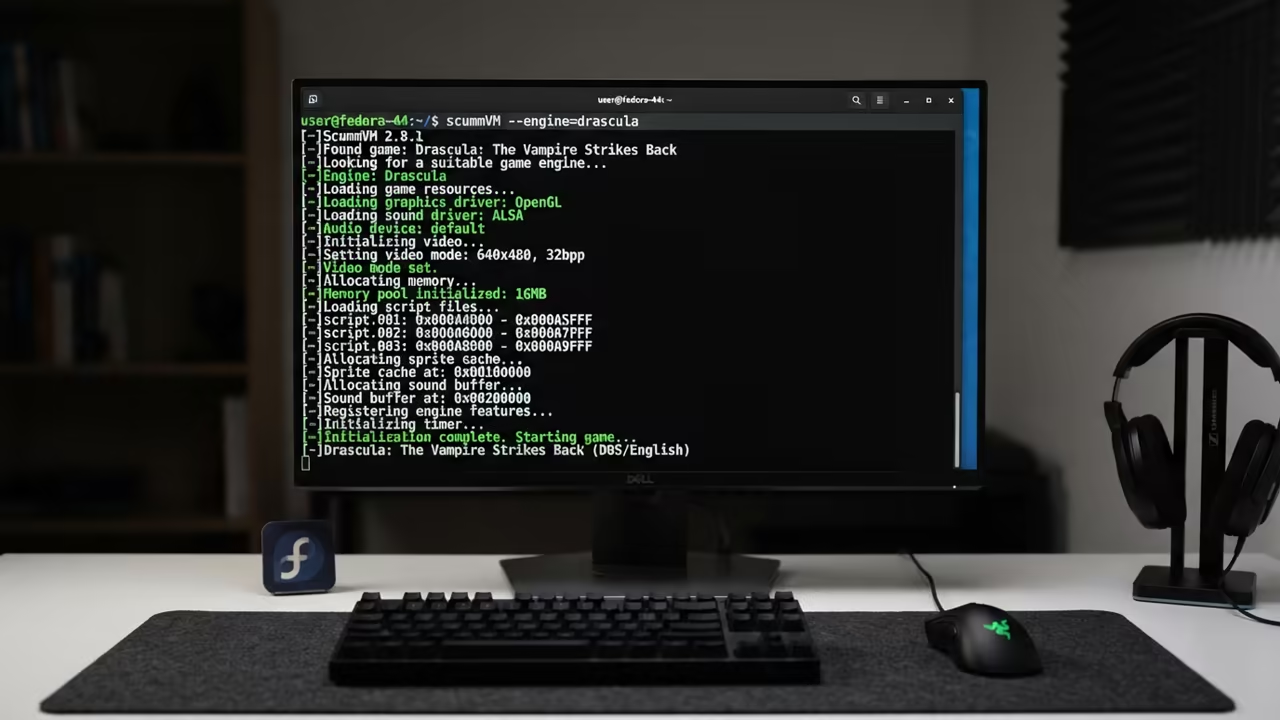
Structural Analysis of the Drascula Engine
The structural properties of the drascula engine are now fully documented. This allows other developers to study the logic of 1996 Spanish software.
It serves as a blueprint for future legacy engine restorations. The open source nature of ScummVM makes this documentation possible.
The translation layer handles the memory offsets of the original binaries. It maps legacy pointers to modern virtual memory addresses seamlessly.
This engineering feat prevents the segmentation faults common in old software. It allows for an uninterrupted gameplay session on any modern OS.
The audio synthesis is handled by a software mixer in ScummVM. This replaces the old MIDI hardware dependencies with modern digital audio.
The result is crystal clear sound on any modern output device. This ensures the original composition is heard exactly as intended.
The graphical output uses a modern OpenGL wrapper for scaling. This allows the 256 color palette to remain sharp on 4K displays.
It avoids the blurriness associated with standard bilinear filtering. This maintains the artistic integrity of the original pixel art.
Learning and Support
Reach out for personalized technical help with your legacy restorations. Dive deeper into open source gaming with the online tutorials.
Online Tutorials & Technical Help: https://ojambo.com/contact
🚀 Recommended Resources
Disclosure: Some of the links above are referral links. I may earn a commission if you make a purchase at no extra cost to you.
Leave a Reply