

Introduction
AI generated SQL is flooding production repos faster than security teams can review. Consultants who ignore this wave are missing critical injection flaws hidden in plain sight. The 2026 data shows 92 percent of AI codebases contain at least one critical vulnerability.
Why AI SQL is risky
Most AI models are trained on millions of samples including insecure legacy patterns from the past. That training bias produces queries that look correct but open direct database access to attackers. SQL injection remains the top finding in AI generated code audits across enterprise teams.
Disclosure: article includes affiliate links.


Real world impact
The first time I traced a hallucinated table name to a real production breach felt surreal. The query executed perfectly returned plausible rows and silently exposed customer PII to the internet. Finding that flaw early turned a potential headline into a routine fix and a client win.
Visual context and workflow
Visual context helps clients understand risk quickly. I embed live screencasts to show real audit workflows in action. The live session below demonstrates a parameterized query rewrite.
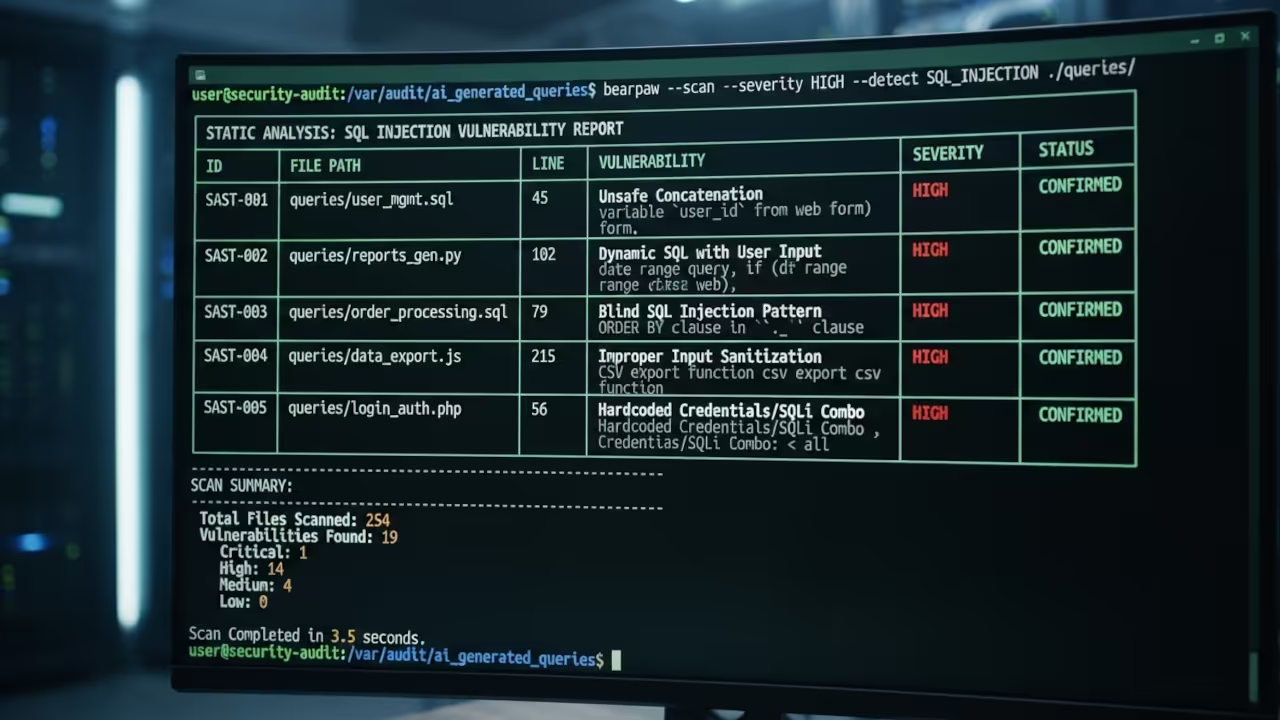
A practical insider tip is to run AI queries through a read only replica with row level security. This configuration stops data exfiltration while allowing safe validation of logic and schema assumptions. I also enforce parameterized statements via a proxy that rejects any raw string concatenation.
Audit tools comparison
Different audit tools excel at different layers of AI generated SQL risk detection. The table below summarizes common options I use on Linux with GPU compute stacks. Choose the mix that matches client scale and compliance requirements.
| Parameter | Description | Value |
|---|---|---|
| Semgrep | Static pattern matching | Fast scans but misses runtime logic |
| SQLFluff | Linting and style | Clean output but no vulnerability detection |
| pgAudit | Database logging | Real activity capture but no code insight |
| MySQL Audit | Privilege tracking | Session history but no injection detection |
| Parameter | Description | Value |
Code review gallery
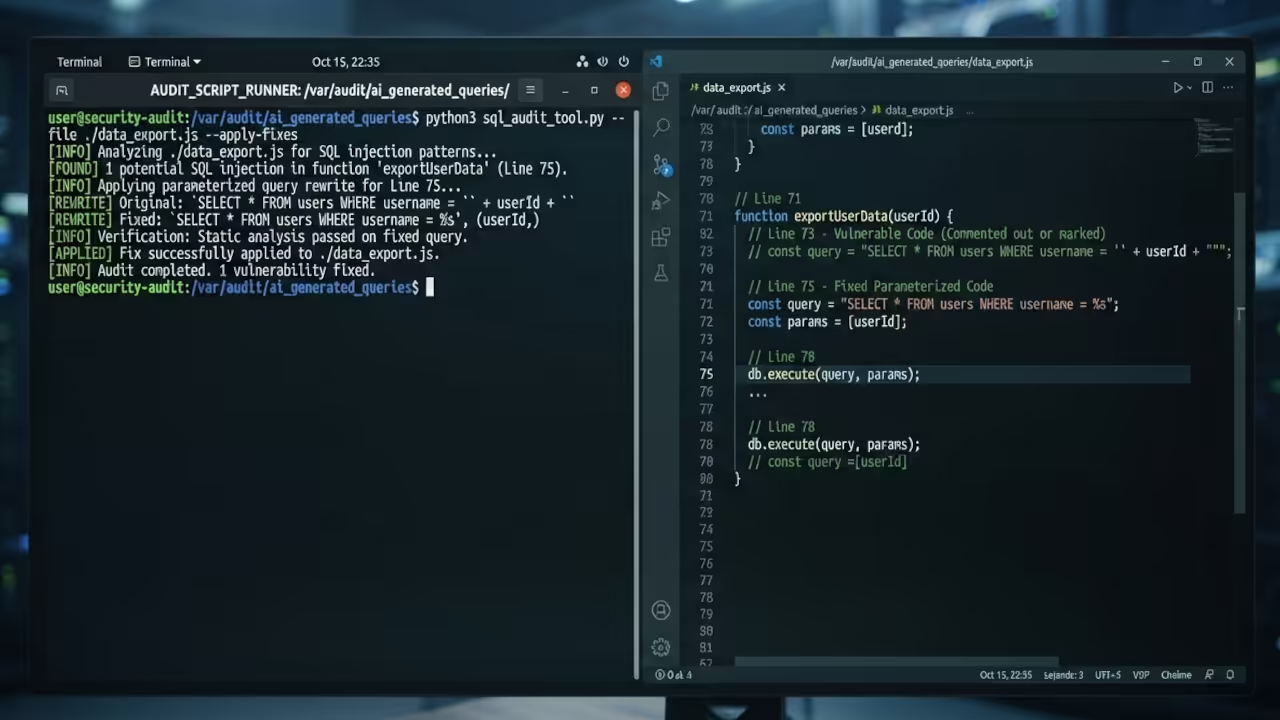
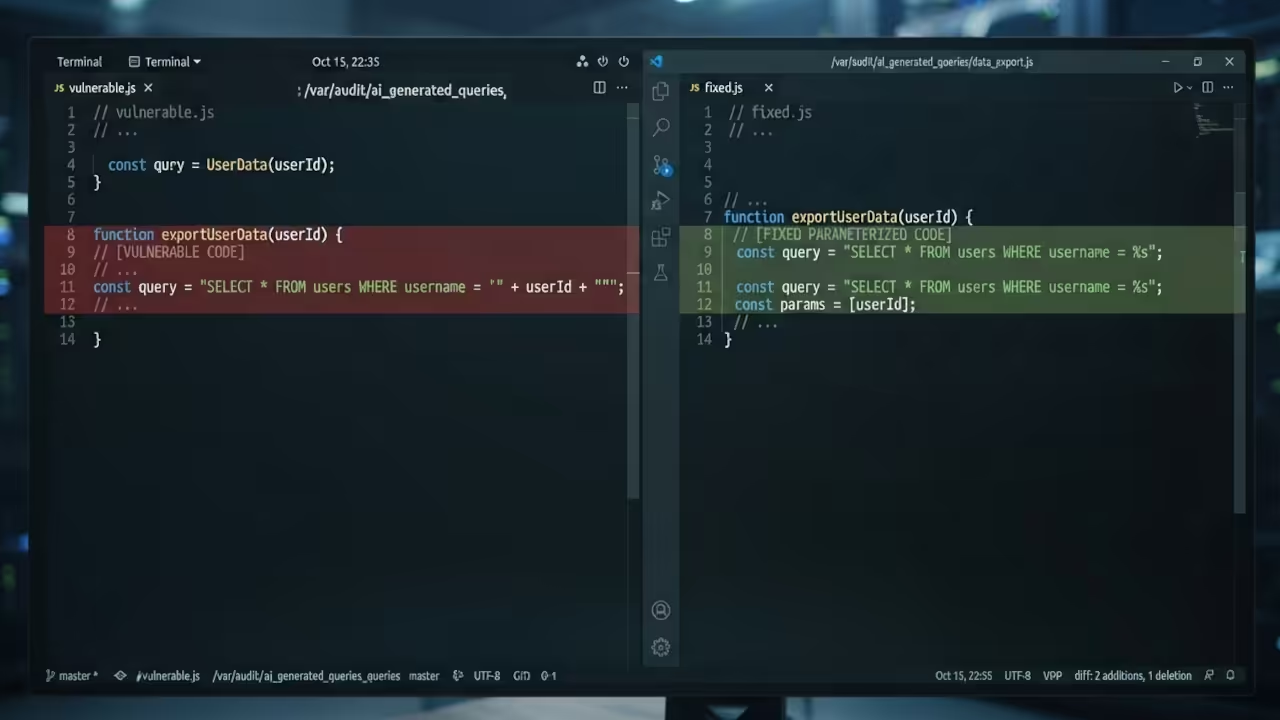
The audit script below shows a simple parameterized rewrite for a vulnerable AI output. I keep the original and the fixed version side by side for client review. This visual diff builds trust and speeds approval cycles dramatically.
Live demonstration
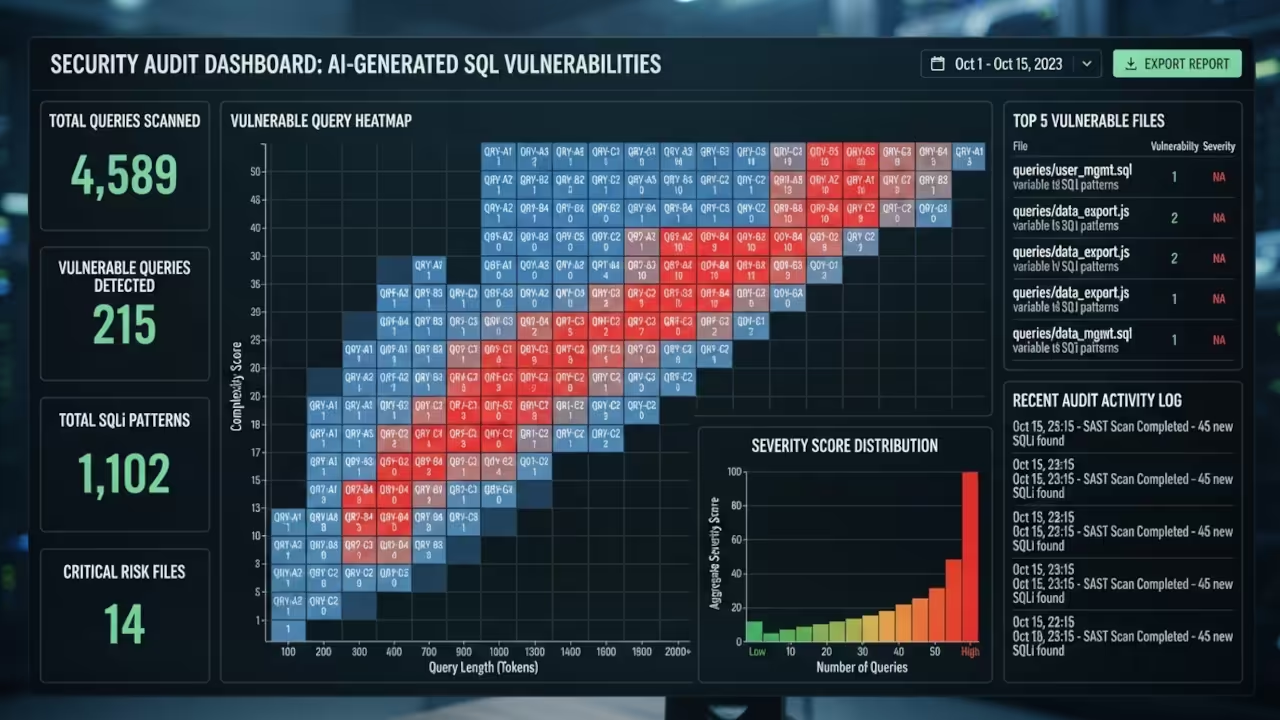
A live screencast demonstrates the full audit flow from repo clone to report export. Watch the session to see how I catch hallucinated tables in real time. The workflow works on the same Linux setup used for GPU workloads.
Common AI SQL mistakes
AI often generates dynamic table names from user input without any whitelist validation. That pattern creates SQL injection and schema hallucination risks that pass basic linting checks. Auditors must verify every identifier against the information schema before execution.
Secrets and ORM risks
Hardcoded credentials appear frequently in AI generated database connection strings. I scan repos with gitleaks and enforce vault based secrets injection in CI pipelines. Removing secrets early prevents lateral movement after a single query leak.
Models sometimes hallucinate ORM methods that do not exist in the target framework. Those calls compile but fail at runtime or silently fallback to unsafe raw queries. Mapping the generated code to actual model definitions catches these silent failures fast.
Testing and compliance
I run AI generated SQL against a synthetic dataset that mirrors production shape but contains no real data. This approach reveals logic errors performance cliffs and privilege escalation attempts safely. The synthetic data also allows repeatable benchmarks across different LLM providers.
Enterprise clients require audit trails for every AI generated query change in production. I integrate git hooks that log author model version and review status for compliance teams. Those logs become evidence during SOC 2 and EU AI Act assessments.
Experience and next steps
Successfully hardening a clients AI SQL pipeline feels like defusing a bomb in slow motion. The tension drops when the scan reports zero injection findings and the app passes pen test. That relief is why I document every step for future consultants.
Need a tailored audit for your AI generated SQL pipeline or want deeper guidance on secure vibe coding. Reach out for personalized technical help and structured tutorials at https://ojambo.com/contact
🚀 Recommended Resources
Disclosure: Some of the links above are referral links. I may earn a commission if you make a purchase at no extra cost to you.