

The Golden Cage of Proprietary Software
Proprietary software locks your data in a golden cage. You pay thousands for licenses that restrict your own hardware. This digital hostage situation kills innovation and drains your budget.
Most developers struggle with restrictive environments that limit performance. You feel the frustration when a license key blocks a critical update. The industry spent decades forcing users into expensive ecosystems.
Disclaimer: I may earn a commission from purchases made through these links at no extra cost to you.


A Humble Beginning for a Global Titan
One man decided to break those chains in 1991. He posted a simple message on a Usenet newsgroup. Linus Torvalds wanted a free hobbyist operating system.
He did not expect to change the world. He just wanted something that worked on his Intel 386. This humility sparked the greatest collaborative project in human history.
The kernel grew from a simple toy into a titan. Developers from every continent added drivers and file systems. They built a foundation that could scale to any size.
The Experience of Absolute System Control
Implementing a custom tuned kernel feels like unlocking a superpower. Your hardware finally breathes without the weight of bloatware. The system responds instantly to every command you enter.
You feel a sense of absolute ownership over the machine. There are no hidden processes stealing your precious CPU cycles. This is the peak of computing efficiency.
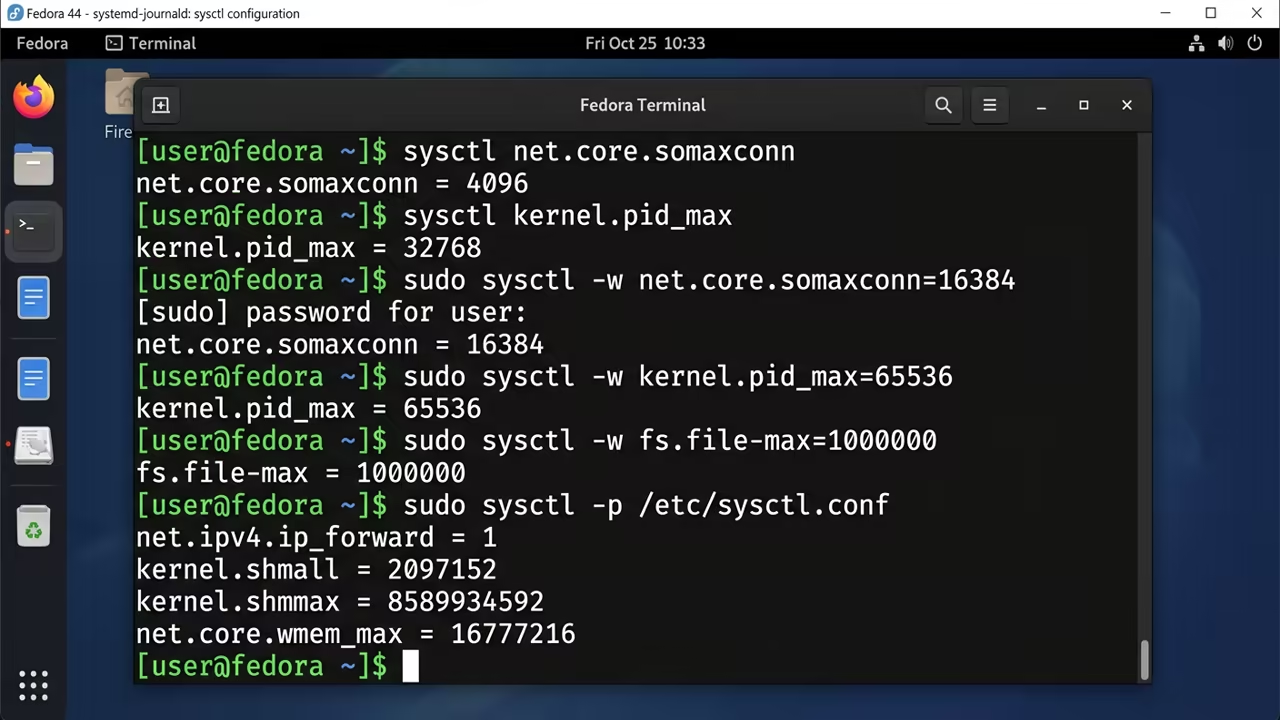
Powering the Global Infrastructure
The Linux kernel is the invisible engine of the modern world. It powers the global cloud and every Android smartphone. Even the largest supercomputers rely on this open source core.
The real magic happens in the memory management system. Linux handles multi threading and resource allocation with surgical precision. This allows AI models to run at maximum speed.
The Secret of Kernel Optimizations
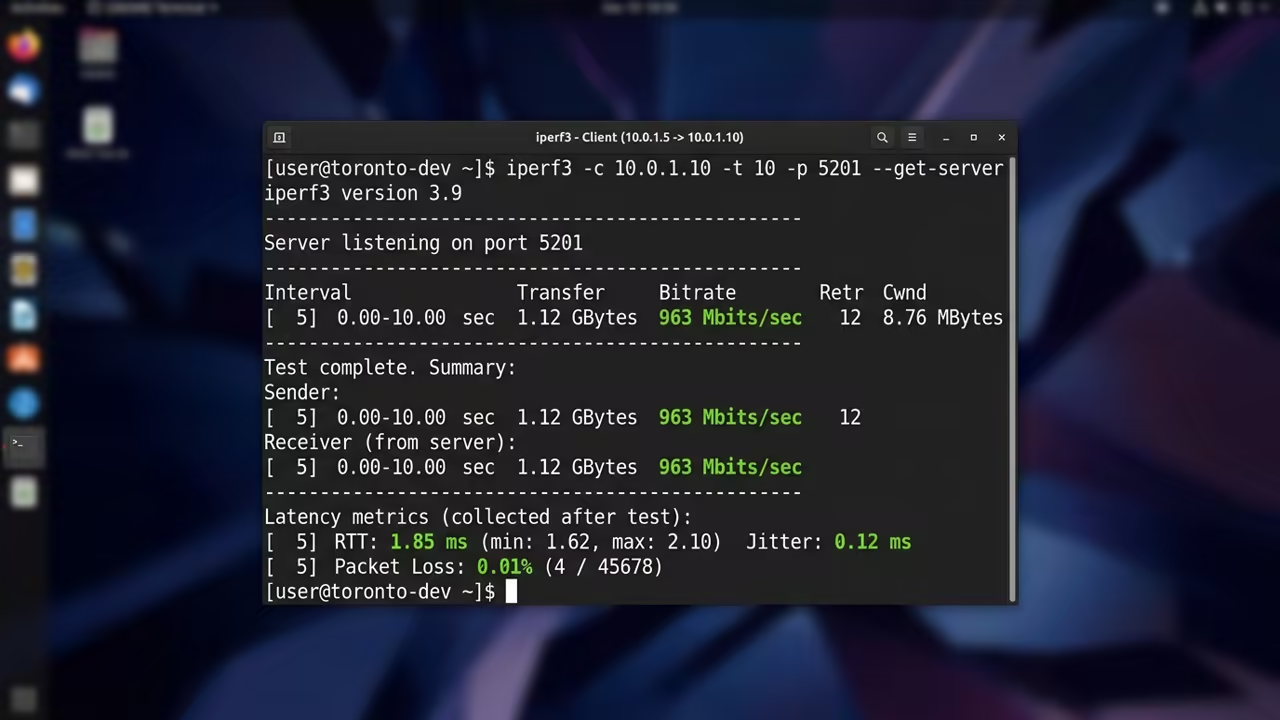
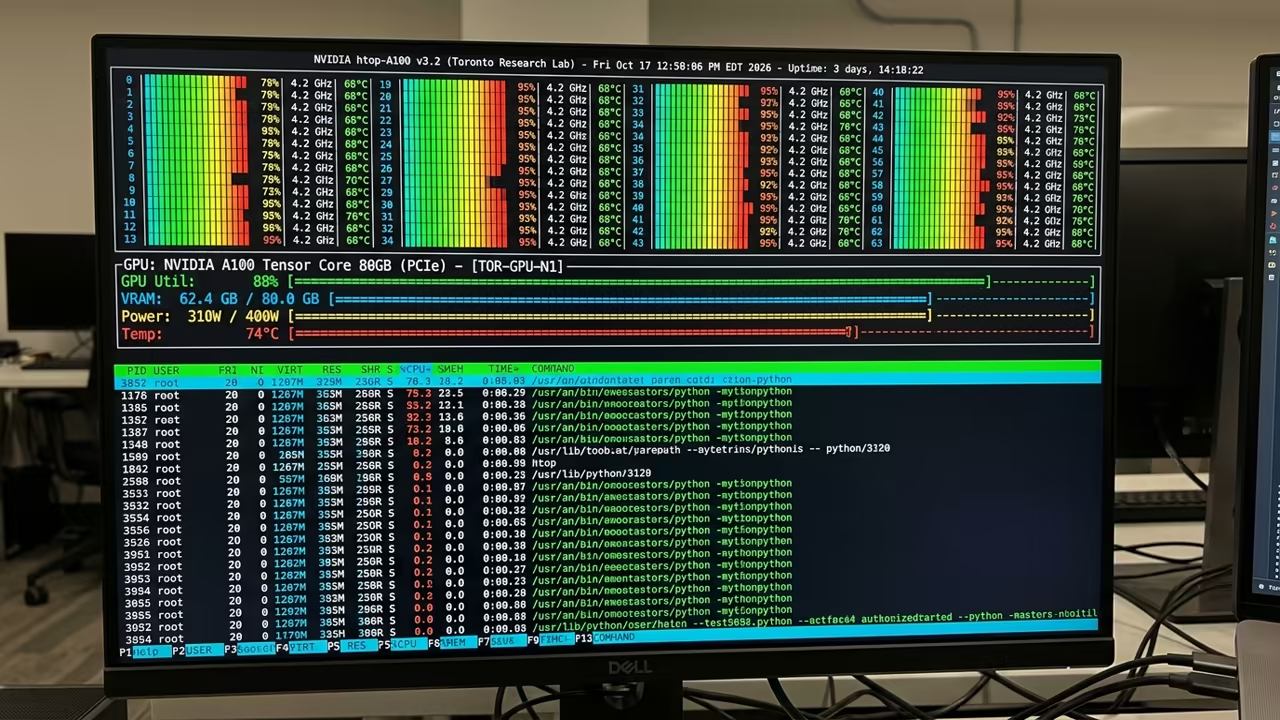
Modern systems demand extreme precision for GPU and AI workloads. Most users ignore the hidden power of sysctl optimizations. You can unlock massive throughput with simple kernel tweaks.
For those running AMD MI60 clusters, memory latency is the enemy. You must tune the virtual memory subsystem for maximum performance. This prevents the kernel from swapping too early.
Run these commands to optimize your network for high speed data. This is the secret sauce for stable ROCm clusters.
sysctl -w net.ipv4.tcp_fastopen=3
sysctl -w vm.swappiness=10
sysctl -w net.core.rmem_max=16777216
| Parameter | Description | Value |
|---|---|---|
| Latency | System Response Time | Low Latency |
| Cost | Licensing Fees | Free Open Source |
| Control | System Access | Full Root Access |
| Scale | Node Capacity | Infinite Scale |
Architectural Breakthroughs and Future Tech
This flexibility mirrors the architectural breakthroughs seen in previous technical deep dives. It allows for the same level of control found in custom hardware stacks.
The evolution of the kernel shows the power of open standards. It proves that collaboration beats closed doors every single time. Your infrastructure becomes a tool rather than a constraint.
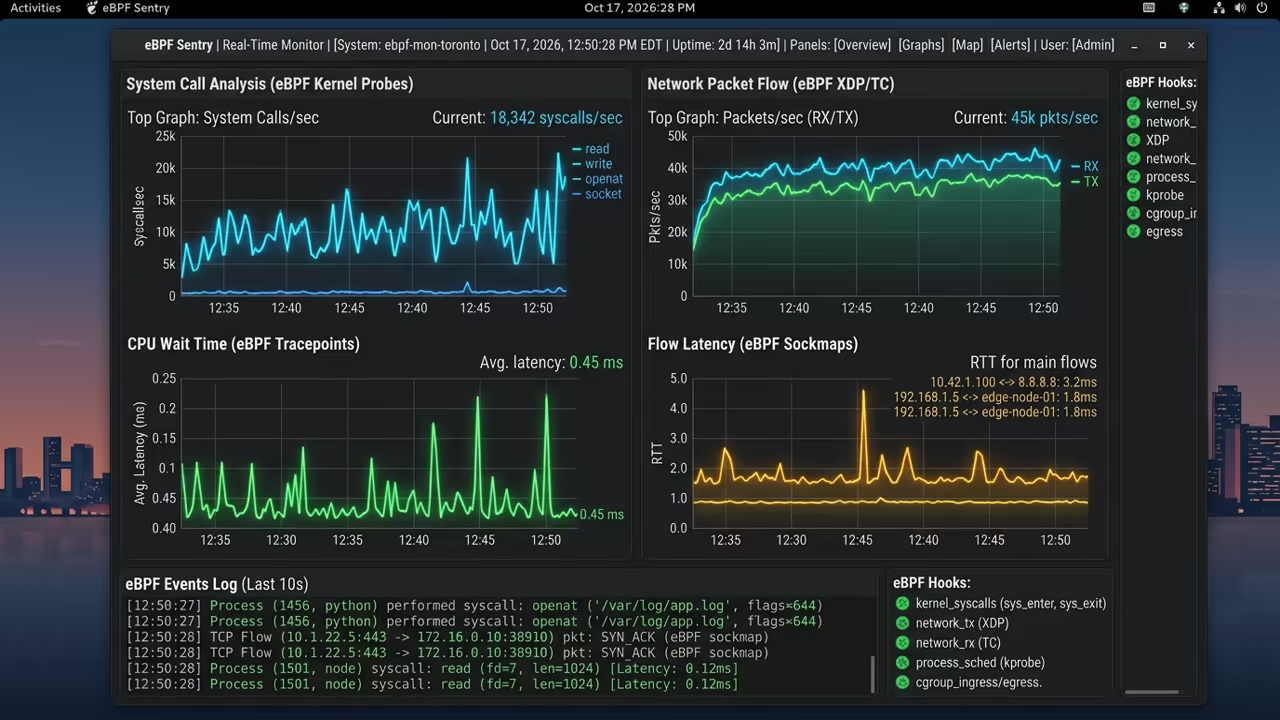
The kernel continues to evolve with features like eBPF and io_uring. These tools allow developers to run code inside the kernel safely. It is a new era of system observability.
You can now monitor every packet without slowing down the CPU. This level of insight was impossible a decade ago. The future of computing is open and programmable.
The journey from a hobby to a global engine never ends. Master the core and you master the machine.
Learning and Support
Reach out today for personalized architectural guidance on your next project. Dive deeper with our technical tutorials to scale your infrastructure.
Online Tutorials & Technical Help: https://ojambo.com/contact
🚀 Recommended Resources
Disclosure: Some of the links above are referral links. I may earn a commission if you make a purchase at no extra cost to you.
Leave a Reply