

Architectural Vulnerabilities in Modern Mobile Security
The current threat landscape has evolved into a high speed war of attrition. Attackers now achieve full account takeover in just twenty seven seconds after initial access.
This speed is fueled by AI agents that automate the entire exploitation chain. These systems remove the friction traditionally associated with social engineering.
Hardware Root of Trust and Session Protection
Implementing a FIDO2 hardware key changes the entire security dynamic of your mobile device. The feeling of knowing a reverse proxy cannot steal your session is liberating.
You no longer worry about the fragility of a six digit text code. Physical cryptographic binding is the only absolute defense against modern session hijacking.
Disclaimer: I may earn a commission from purchases made through these links at no extra cost to you.


Advanced Vector Analysis for 2026
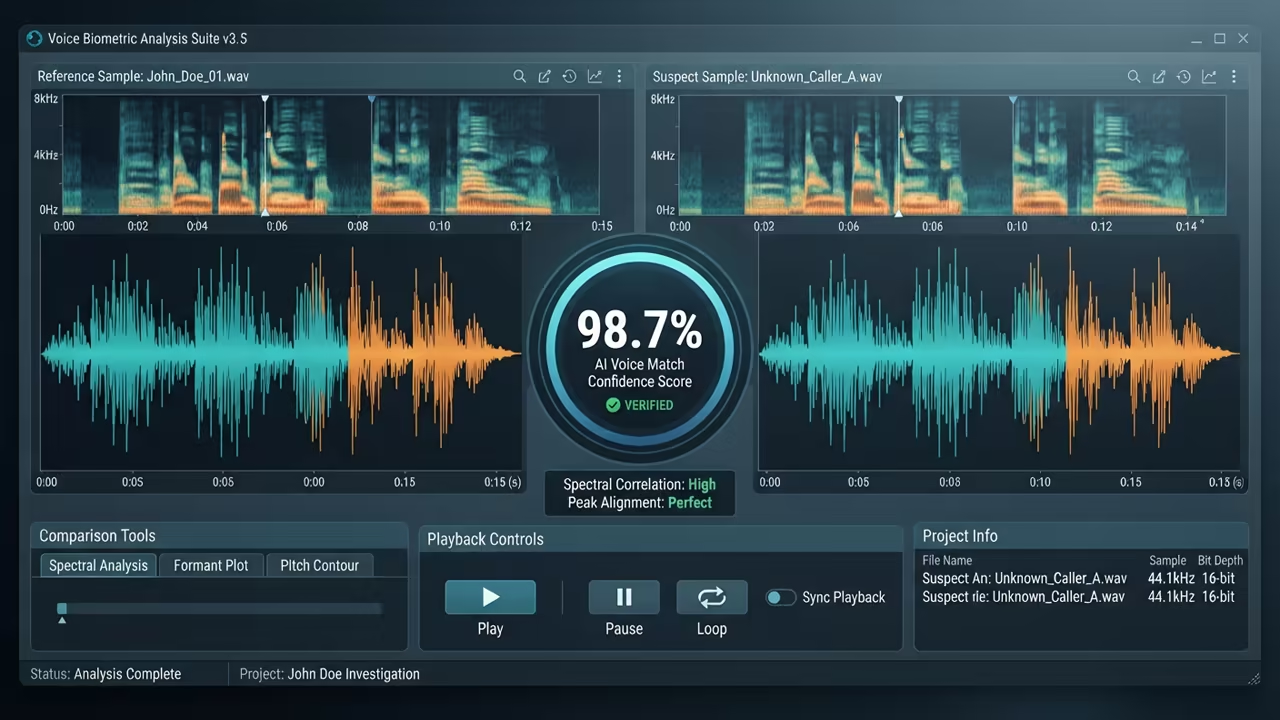
Modern cell phone scams now leverage SM DP and SM SR provisioning servers for eSIM theft. Fraudsters use synthetic voice clones to trick carrier support into authorized profile downloads.
This bypasses traditional identity checks and grants immediate access to your primary number. Once the eSIM is active the attacker controls all your verification channels.
AI Driven Smishing and Quishing Lures
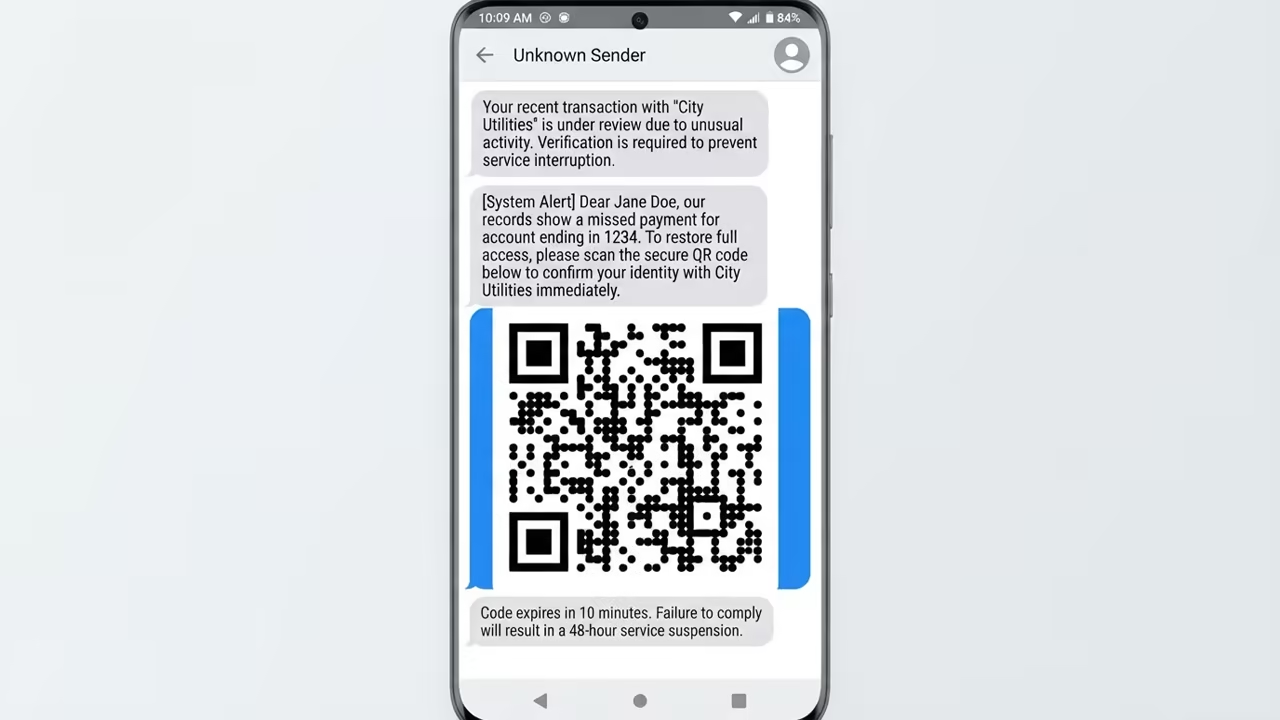
AI driven smishing has rendered traditional grammar checks completely useless for most users. Generative models now create hyper personalized lures with a fifty four percent click rate.
These messages often contain quishing codes that bypass monitored desktop security perimeters. Mobile endpoints are the weakest link in the corporate security chain.
Zero Click Exploits and Modem Vulnerabilities
Zero click media parsers allow malware to enter without any user interaction. CVE 2026 0073 demonstrates how wireless ADB authentication can be exploited for shell execution.
These implants reside deep in the OS and survive standard application uninstalls. They provide a persistent backdoor for mercenary spyware campaigns.
Insider Hardening and Mitigation Strategies
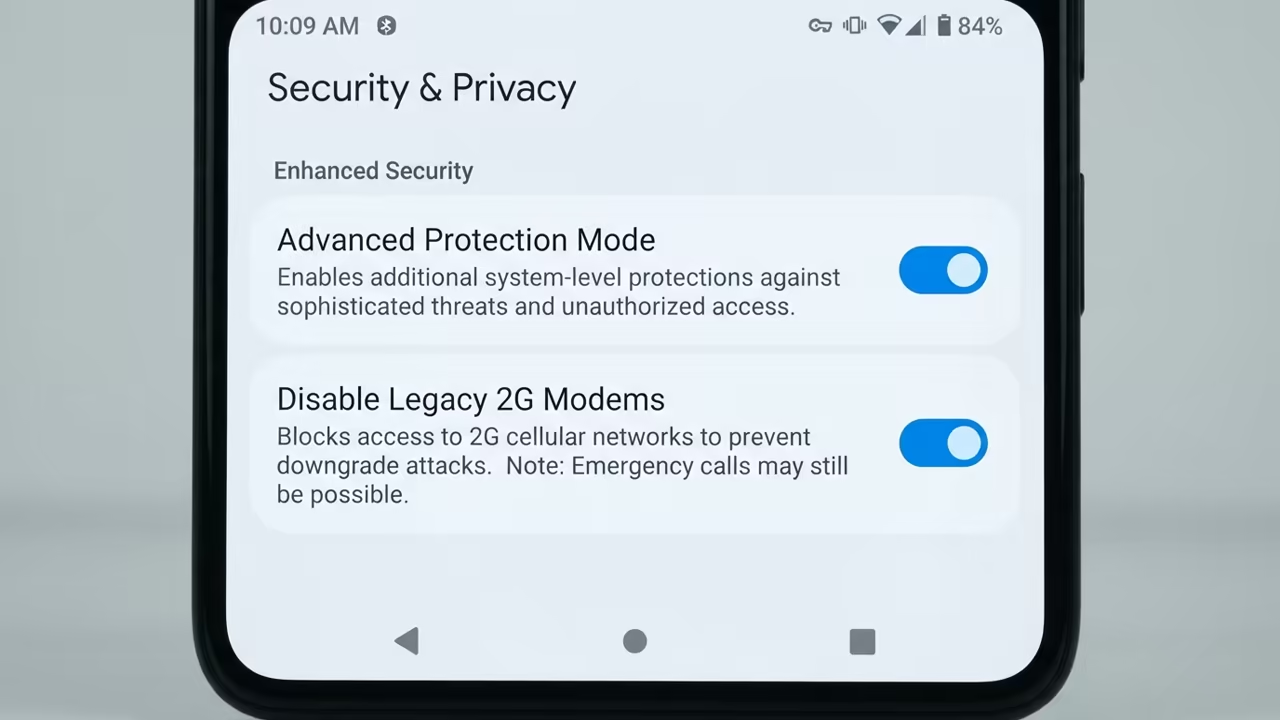
A critical insider secret is disabling the legacy 2G cellular modem in settings. This prevents IMSI catcher downgrade attacks that force your phone onto unencrypted networks.
Most users leave this active and expose their traffic to local interception. This simple toggle removes a massive attack surface from your device.
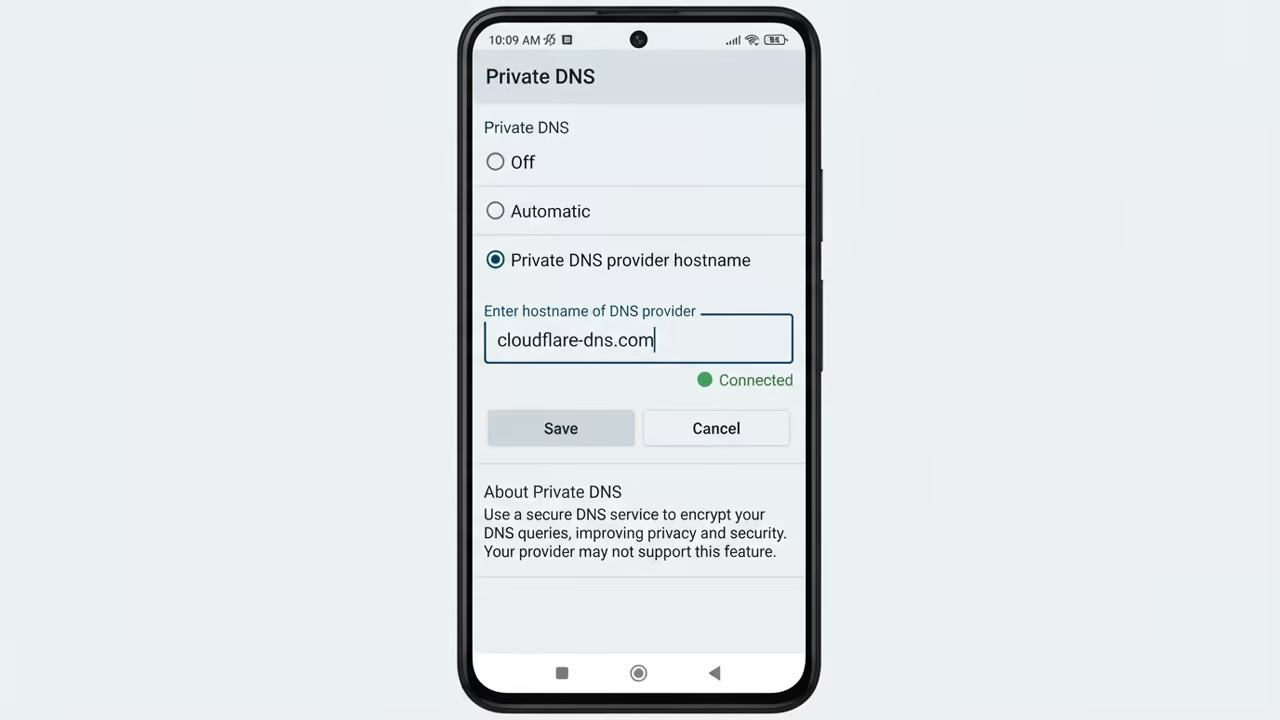
Enforcing encrypted DNS resolvers with real time threat intelligence sinkholes is essential. This architecture blocks malicious domains before a mobile browser handshake even completes.
It creates a proactive shield against the most aggressive smishing campaigns. This network layer defense is the first line of protection for high risk users.
| Attribute | SMS OTP | TOTP App | FIDO2 Key |
|---|---|---|---|
| SIM Resistant | No | Yes | Yes |
| Proxy Resistant | No | No | Yes |
| Secret Risk | High | Moderate | None |
| Attribute | SMS OTP | TOTP App | FIDO2 Key |
Incident Remediation and Recovery
Recovery from an OS level implant requires full cryptographic erasure of the device. This process involves revoking all active OAuth session tokens and rotating root credentials.
It is a grueling process that takes days of forensic auditing. Simple factory resets are often insufficient for advanced kernel level persistence.
This technical hardening connects to previous deep dives on network architecture and identity management. Mastering these layers is the only way to survive the current threat climate.
Professional grade security is no longer optional for high risk targets. The gap between default settings and secure configurations is now a critical vulnerability.
Learning and Support
Reach out for personalized technical help to secure your mobile infrastructure today. Dive deeper into our online tutorials to master the professional security stack.
Online Tutorials and Technical Help: https://ojambo.com/contact
🚀 Recommended Resources
Disclosure: Some of the links above are referral links. I may earn a commission if you make a purchase at no extra cost to you.
Leave a Reply