
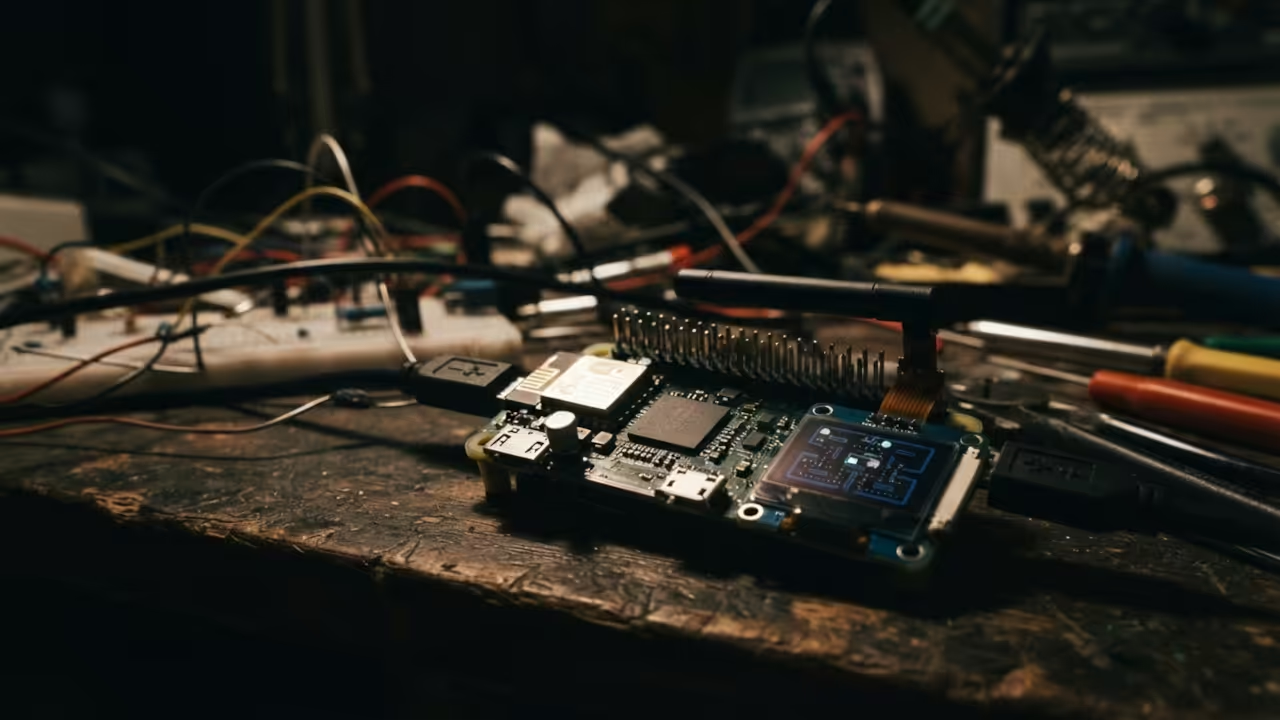
Modern gaming has become an exercise in bloated assets and astronomical hardware requirements. We are trapped in a cycle of 4K textures and terabyte installs just to feel engagement.
The industry forgot that pure logic and minimalist design offer a far deeper satisfaction.
The Experience of Pure Logic
There is a visceral thrill in seeing a lean C binary execute flawlessly on a Pi Zero. The system boots in seconds and the game responds with zero latency.
It feels like owning a piece of pure computing history in your palm.
For those scaling these concepts into enterprise grade automation or custom hardware stacks professional guidance is essential. Reach out for Senior Architect consultation services to optimize your high tier technical project scales.
Technical Implementation
Start by flashing Raspberry Pi OS Lite onto a high speed microSD card for maximum efficiency. Connect via SSH to avoid the overhead of a desktop environment.
Clone the Greed source from the official GitLab repository using the git tool.
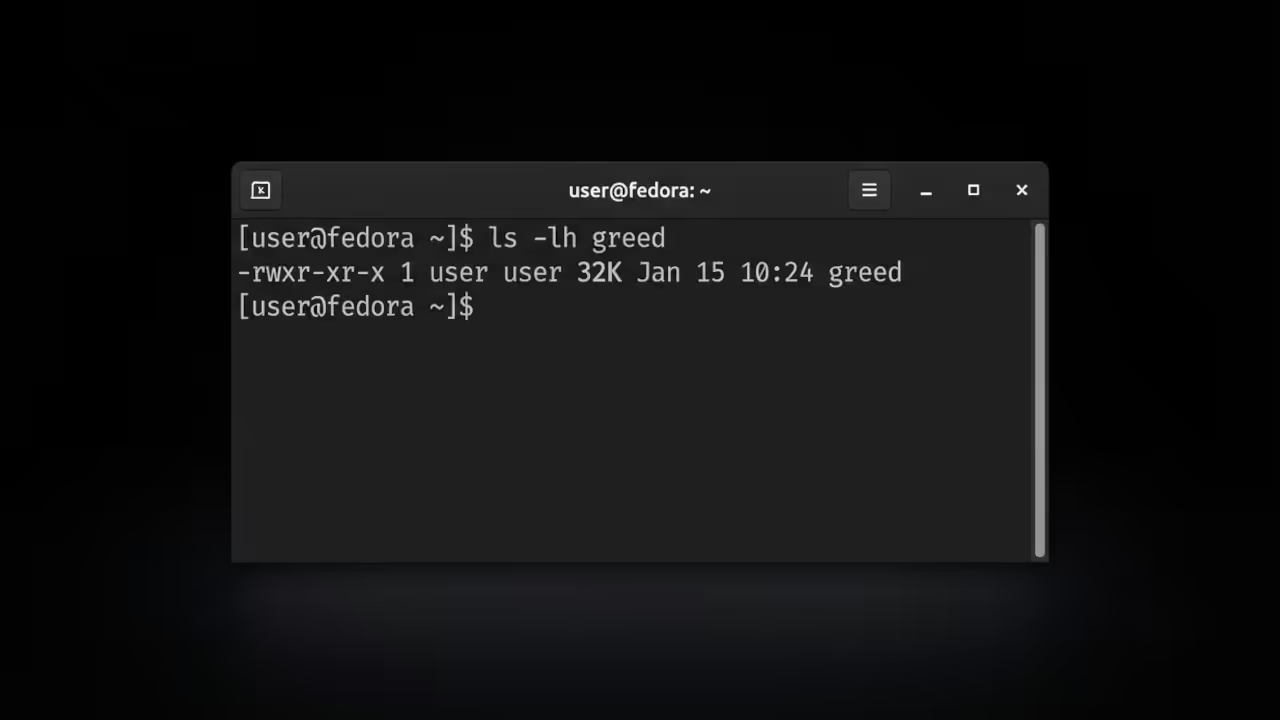
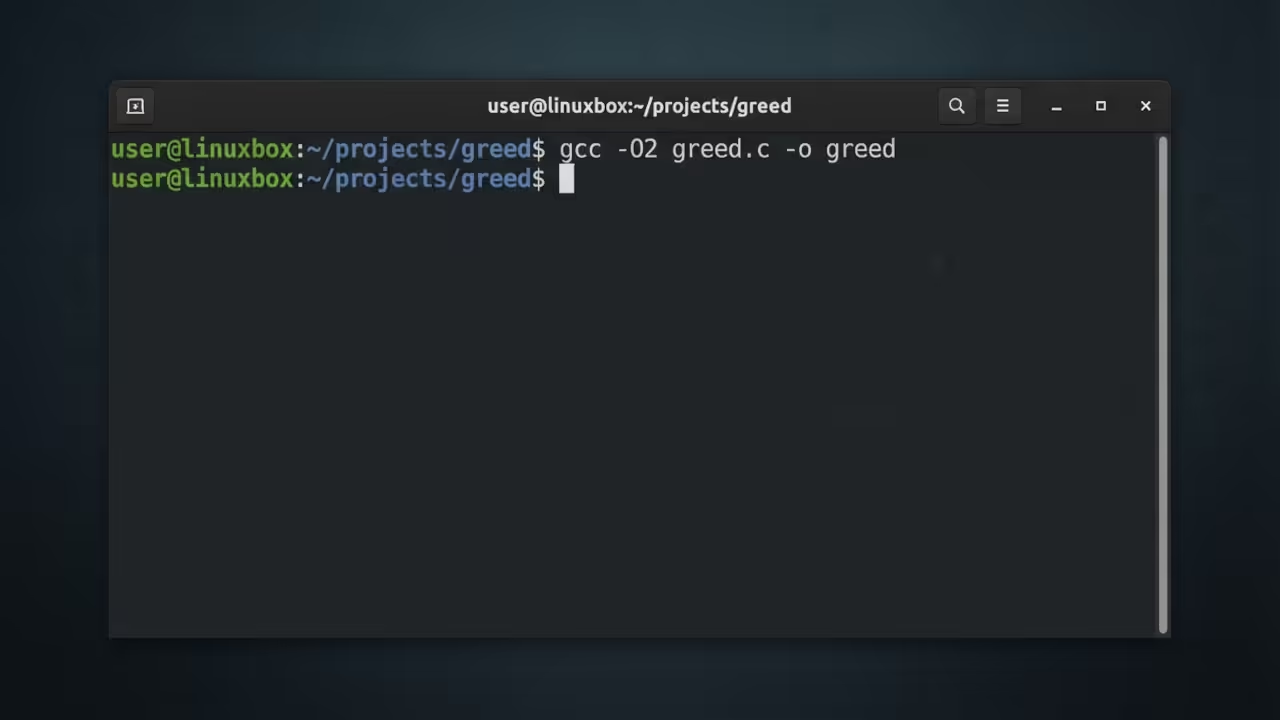
Use the GCC compiler to transform the source code into a high performance executable binary. Run the command below to ensure the best optimization.
gcc -O2 greed.c -o greed
This process takes only a few seconds on the ARMv6 architecture of the Zero W.
Mastering the Grid
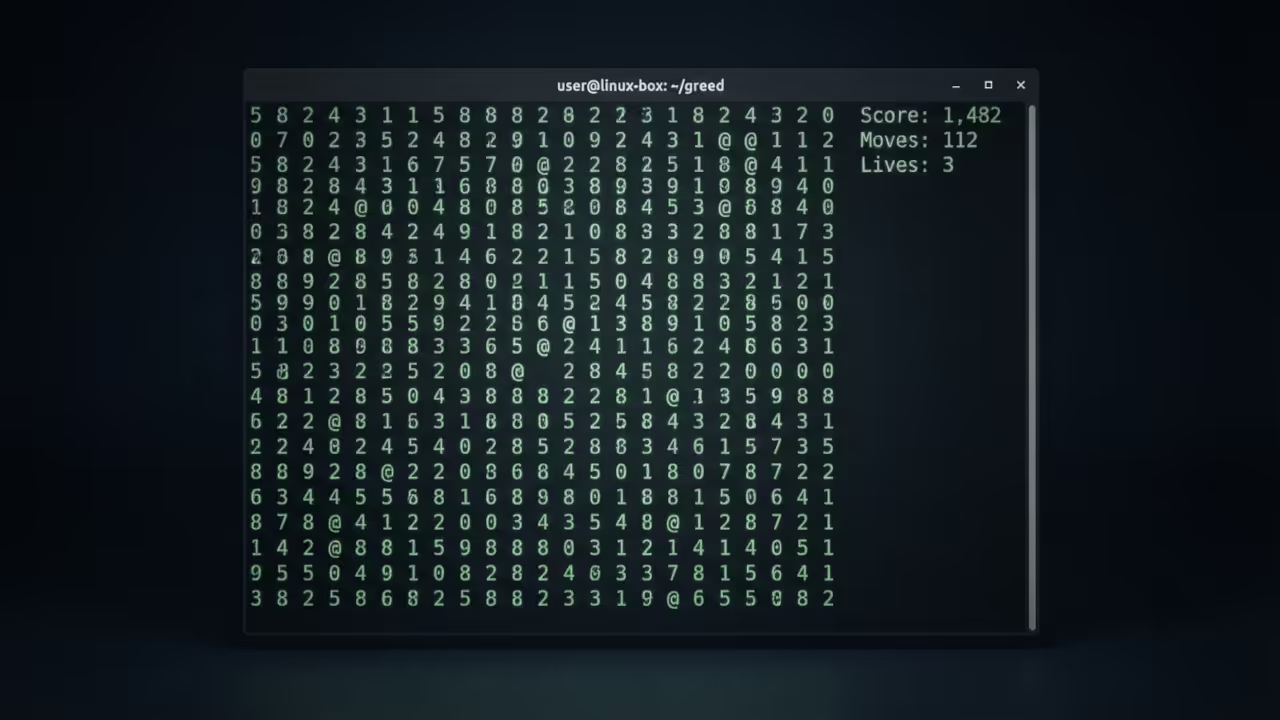
The game operates entirely within the terminal using standard input and output streams. You navigate a grid of numbers and consume them to increase your score.
The challenge lies in the spatial reasoning required to avoid trapping yourself.
The Dedicated Console Secret
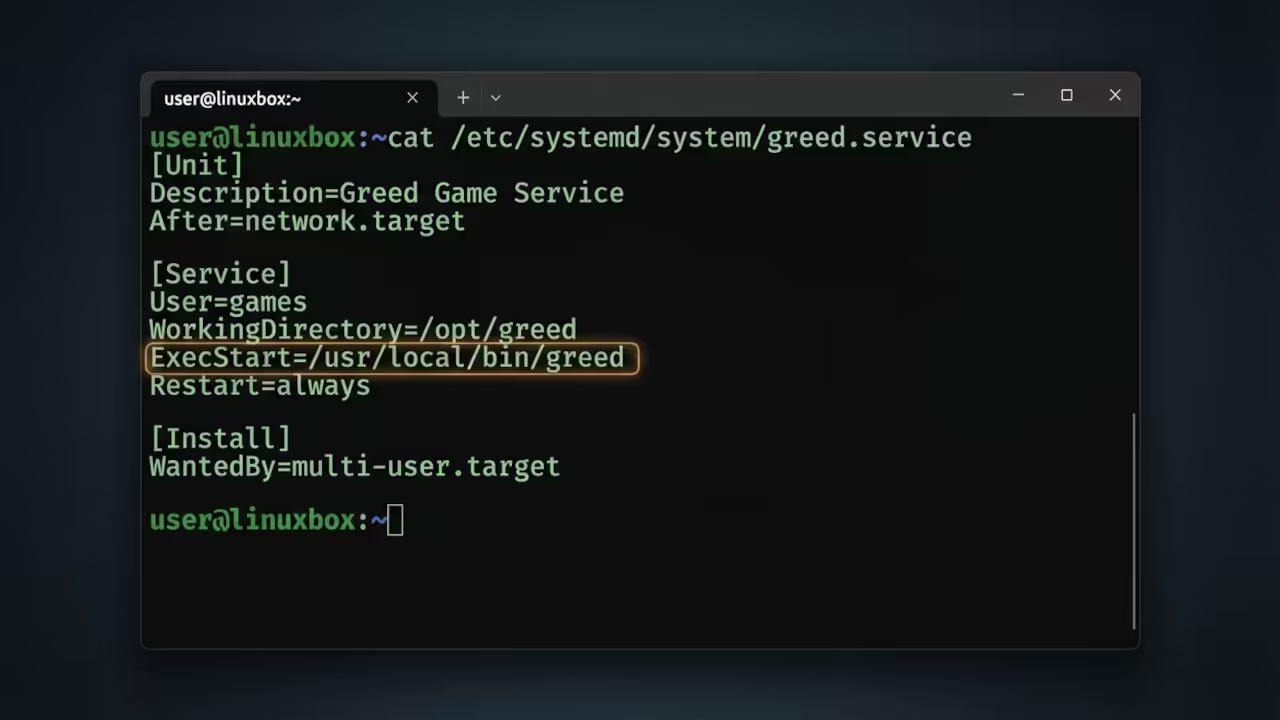
An insider secret for the ultimate experience is configuring an auto start script in the systemd directory. This transforms the Pi Zero W into a dedicated Greed console upon power on.
It removes the need for a keyboard once the initial configuration is complete.
Resource Efficiency Analysis
The memory footprint of Greed is practically invisible to the system resources. While a modern PC wastes gigabytes of RAM the Pi Zero W handles this with ease.
This efficiency is the hallmark of the classic Unix philosophy of doing one thing well.
| Parameter | Description | Value |
|---|---|---|
| RAM Usage | Memory footprint | Under 10 MB |
| Boot Time | Startup speed | 25 Seconds |
| Portability | Device size | Pocket Sized |
| Power Draw | Energy consumption | 1.5 Watts |
| Parameter | Description | Value |
Architectural Breakthroughs
The strategic depth of Greed mirrors the architectural breakthroughs found in early systems programming. Mastering this game requires a mental map of the board that evolves in real time.
It is a masterclass in efficient resource management and logical planning.
The journey to minimalist computing begins with a single optimized binary on small hardware. These technical deep dives reveal the raw power hidden within restricted environments.
Explore the intersection of legacy code and modern ARM architecture for total control.
Learning and Support
Get the expert help you need to master these systems through our personalized support. Dive deeper into the world of optimized hardware with our comprehensive online tutorials.
Online Tutorials and Technical Help: https://ojambo.com/contact
🚀 Recommended Resources
Disclosure: Some of the links above are referral links. I may earn a commission if you make a purchase at no extra cost to you.
Leave a Reply