
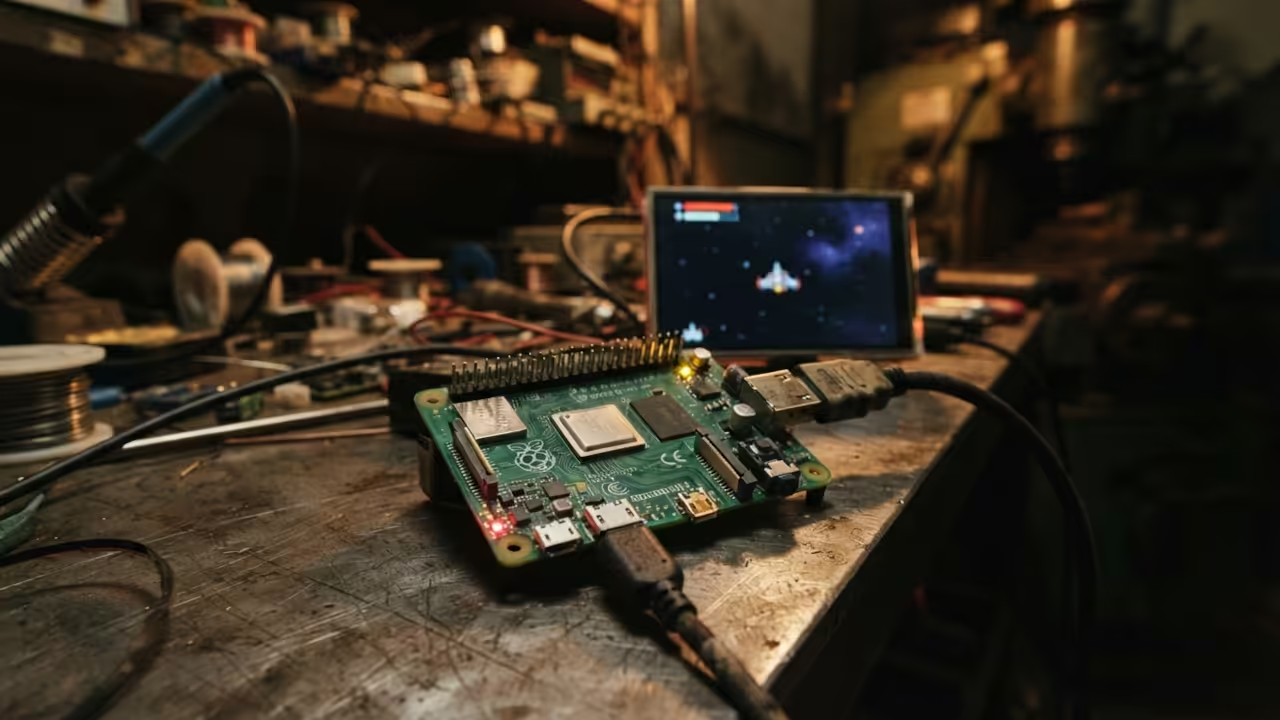
Modern Gaming Power Consumption
Modern gaming rigs consume excessive power and generate significant heat. You are paying a premium for graphical fidelity that your eyes cannot process. The industry pushes complex hardware for simple entertainment experiences. This bloat creates a barrier for enthusiasts who value efficiency.
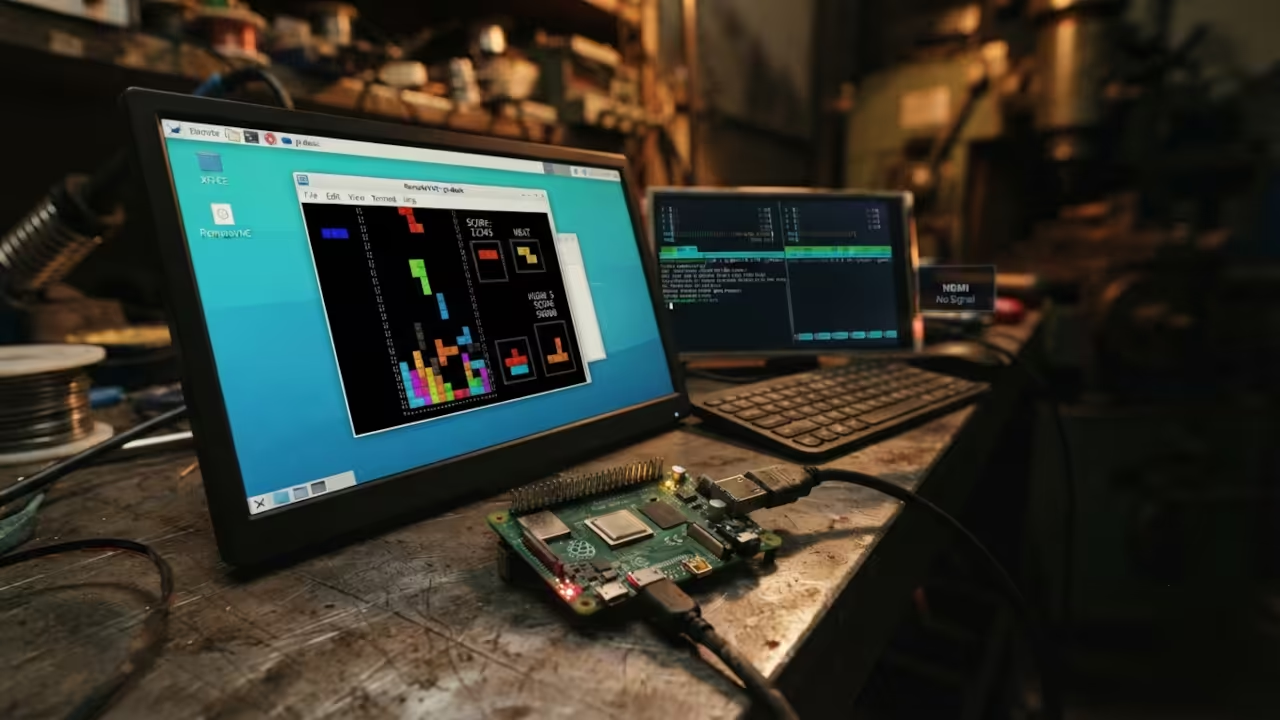
The Raspberry Pi Zero W offers a radical alternative to this trend. It transforms a tiny circuit board into a dedicated gaming terminal. You can run classic software with minimal energy expenditure. This approach restores the joy of minimalist computing to your desk.
The Remote Gaming Experience
Connecting to the Pi Zero W feels like unlocking a secret weapon. The screen appears on your workstation with a crisp interface. You control the game from your powerful AMD Mi60 setup. The latency is negligible thanks to the optimized network stack.
Bastet runs smoothly despite the limited resources of the hardware. The evil algorithm challenges your skills at every level. You feel a sense of accomplishment mastering this constrained system. It is a refreshing break from resource-heavy modern applications.
Technical Configuration
The setup requires precise configuration for optimal performance. Bastet is a Tetris clone designed to test your limits. It uses a special algorithm to choose the worst brick possible. You can install it directly from the official GitHub repository.
sudo apt install bastet
bastet
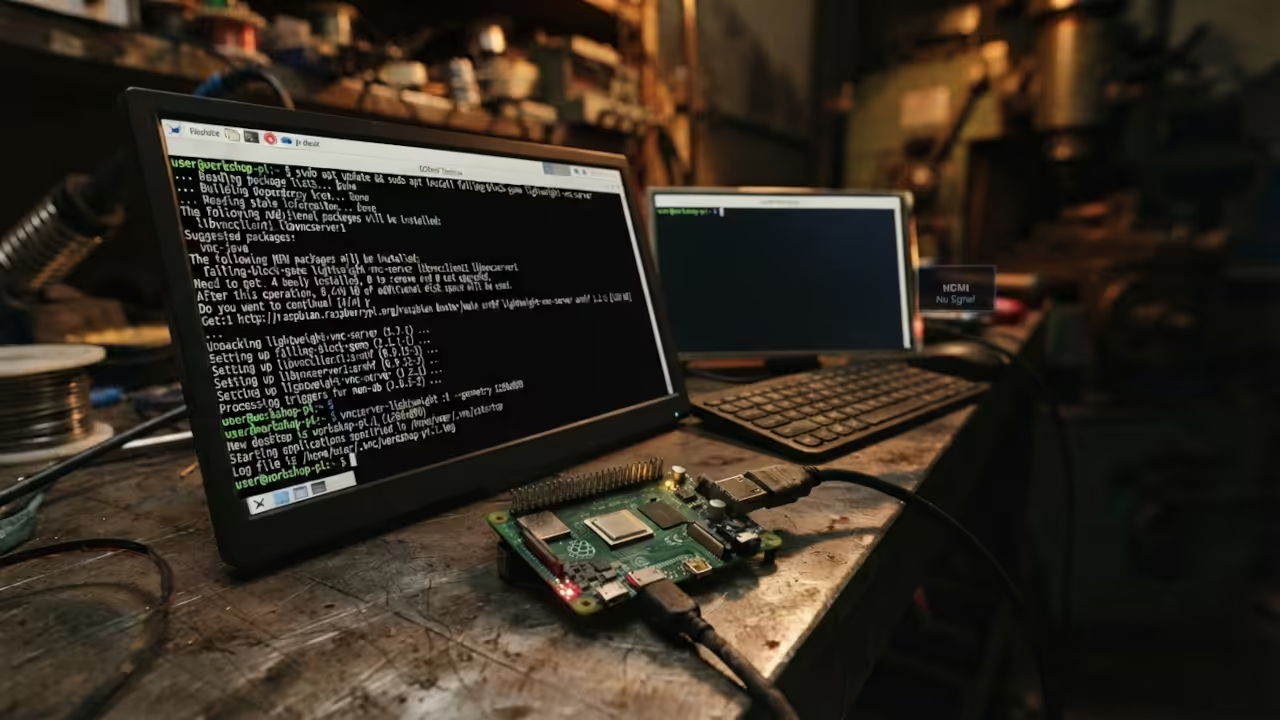
The remote desktop connection relies on TinyVNC or xRDP. These protocols stream the display to your Fedora 44 workstation. Your Xfce environment handles the input seamlessly. The Pi Zero W connects via USB for power and data.
This creates a self-contained unit that fits in your pocket. You must configure the VNC server to accept remote connections. The code snippet for the installation is critical for success. It ensures the dependencies are resolved correctly on the Pi.
The xRDP configuration requires specific parameters for stability. Your workstation sends input commands over the network. The Pi processes the logic and returns the visual update. This loop happens in milliseconds for a responsive experience.
The AMD Mi60 GPU on your workstation remains idle. This saves power while you enjoy the retro game. The Pi Zero W handles the rendering tasks efficiently. You can access the terminal via SSH for updates.
The system is lightweight and easy to maintain. This architecture is perfect for low-power gaming setups. You can replicate this setup with minimal investment. The result is a high-performance retro gaming station.
| Feature | Raspberry Pi Zero W | Modern Gaming PC |
|---|---|---|
| Power Draw | 5 Watts | 600 Watts |
| Size | 65mm x 30mm | 400mm x 200mm |
| Cost | $10 | $2000 |
| Complexity | Low | High |
| Portability | High | Low |
| Feature | Raspberry Pi Zero W | Modern Gaming PC |
Master the Professional Stack
This optimization demonstrates the potential of edge computing. You can apply these principles to your own architectural projects.
Books (Technical & Creative): https://www.amazon.com/stores/Edward-Ojambo/author/B0D94QM76N
Blueprints (DIY Woodworking Projects): https://ojamboshop.com
Tutorials (Continuous Learning): https://ojambo.com/contact
Consultations (Custom Apps & Architecture): https://ojamboservices.com/contact
🚀 Recommended Resources
Disclosure: Some of the links above are referral links. I may earn a commission if you make a purchase at no extra cost to you.