
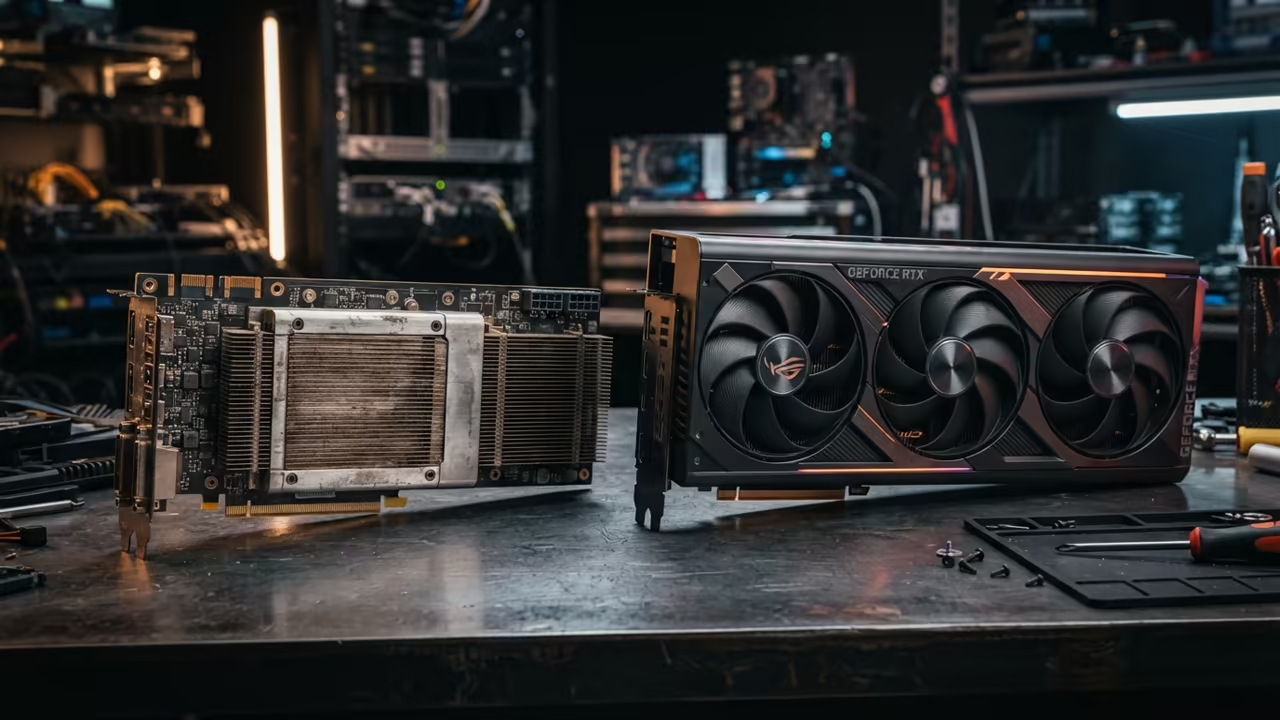
The VRAM Trap In Legacy Hardware
Many builders fall for the VRAM trap when scouting used enterprise hardware. They see thirty two gigabytes of memory and assume it handles modern AI models.
This assumption leads to a massive performance bottleneck that kills productivity. The raw compute gap between Volta and Blackwell is truly staggering.
You are comparing a legacy workhorse to a modern AI monster. This guide exposes the truth about TFLOPS and TOPs in 2026.
Disclaimer: I may earn a commission from purchases made through these links at no extra cost to you.


The Feeling Of Modern Architectural Dominance
The moment you load a Llama 3 variant onto a Blackwell card is pure magic. Tokens stream across the screen faster than you can read them.
The lag from old enterprise cards simply vanishes into thin air. You will feel a surge of power when your local LLM responds instantly.
No more staring at a blinking cursor for ten seconds. This is the feeling of true architectural dominance.
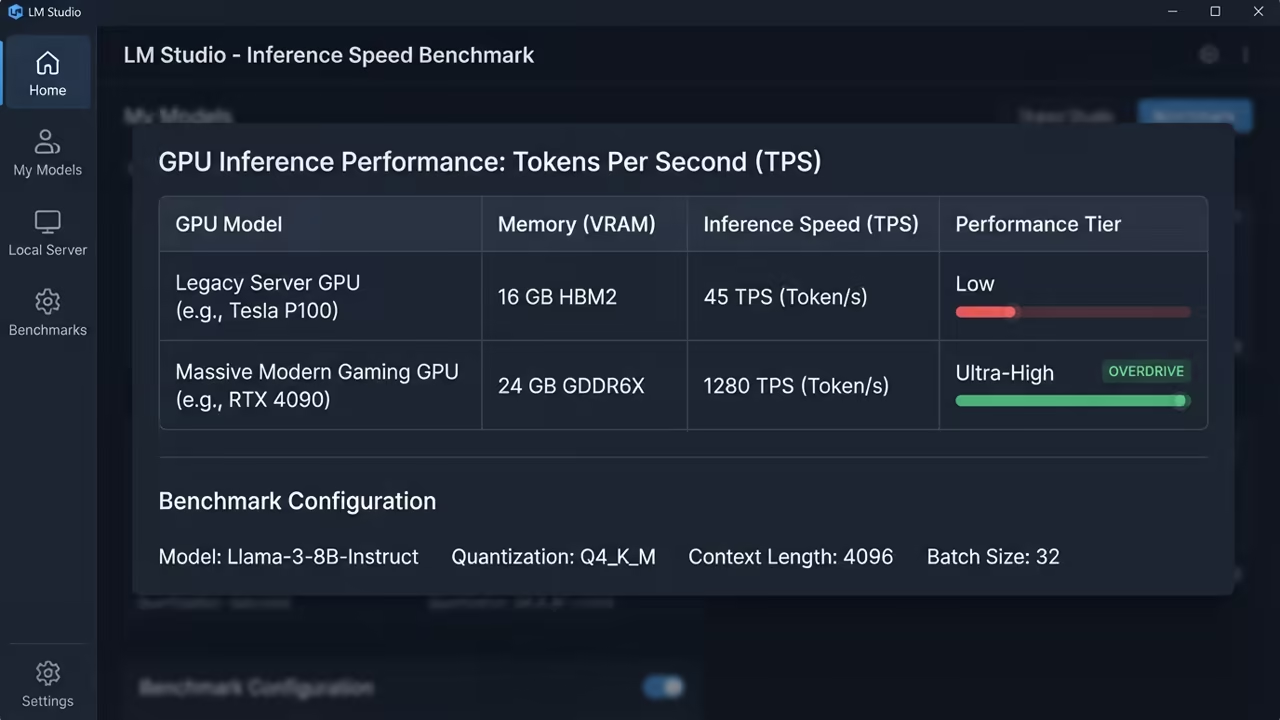
The Compute Gap Between 2018 and 2026
Enterprise GPUs from 2018 like the Tesla V100 were kings of their era. They offered high precision for scientific simulations and early deep learning.
Today they struggle with the sheer scale of modern transformer models. Consumer GPUs like the RTX 5090 now dominate the raw throughput battle.
They utilize GDDR7 memory to push data at incredible speeds. The difference in AI TOPs is not just a jump but a leap.
Analyzing Raw Throughput Metrics
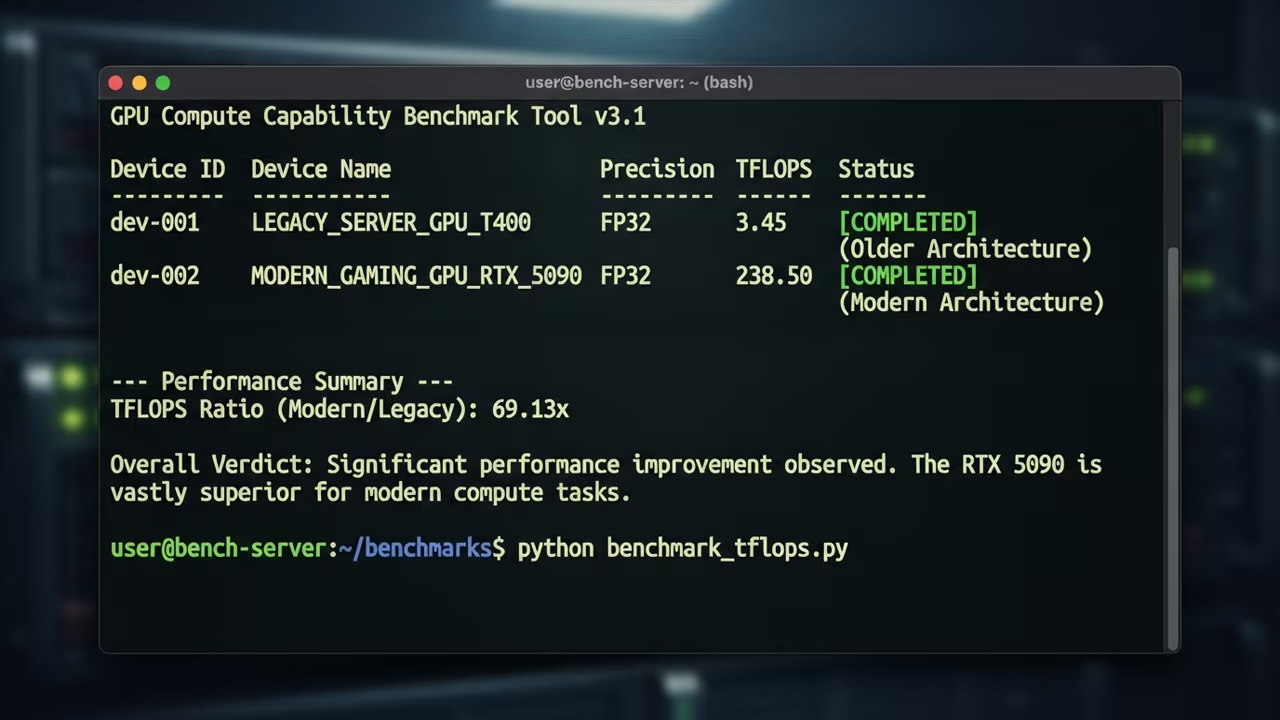
The Tesla V100 delivers roughly fourteen TFLOPS of single precision power. In contrast the RTX 5090 pushes over one hundred TFLOPS of raw FP32.
This means the new consumer card is nearly seven times faster. The real slaughter happens in the INT8 and FP4 tensor performance.
The V100 provides fifty six TOPs of INT8 compute. The RTX 5090 screams with over three thousand AI TOPs.
Hardware Performance Breakdown
| Parameter | Tesla V100 2018 | RTX 5090 2026 |
|---|---|---|
| FP32 TFLOPS | 14 | 104 |
| INT8 TOPs | 56 | 3352 |
| VRAM Capacity | 32GB HBM2 | 32GB GDDR7 |
| Memory Bandwidth | 900 GB/s | 1792 GB/s |
| Architecture | Volta | Blackwell |
| Parameter | Tesla V100 2018 | RTX 5090 2026 |
Insider Optimization Secrets
One insider secret is to leverage FP4 quantization on the Blackwell architecture. This allows you to fit massive models without losing much precision.
You can run models that previously required multiple A100 GPUs. You can verify your current GPU performance using the following command.
nvidia-smi -q -d PERFORMANCE
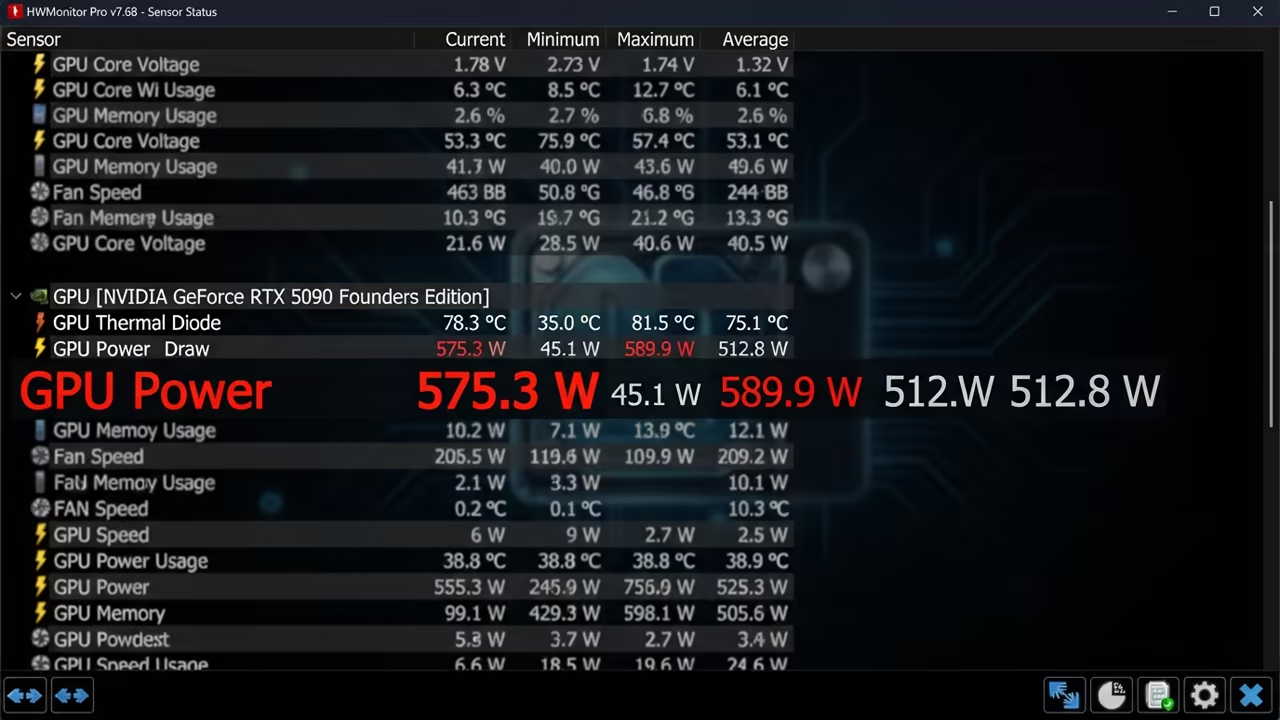
Always check your power delivery before installing a modern consumer flagship. The power draw of new cards is significantly higher than legacy enterprise boards.
Use a high quality gold rated power supply to avoid system crashes. Stability is key when running heavy AI workloads.
Strategic Buying Guide for 2026
Buying an old enterprise GPU in 2026 only makes sense for specific tasks. If you need double precision FP64 for physics the V100 is still viable.
For everything else the consumer route is the only logical choice. Wait for the mid cycle refresh if you cannot afford the top tier.
Even the lower end 50 series cards outperform legacy enterprise hardware. Your budget is better spent on new silicon.
Integrating these GPUs into a cluster requires a deep dive into PCIe lanes. Refer to previous technical deep dives on architectural breakthroughs to optimize your bus.
This ensures your data flows without hitting a wall. Proper lane allocation prevents bottlenecks during multi GPU inference.
Learning & Support
Reach out for personalized technical help to optimize your GPU cluster. Dive deeper into these hardware secrets with our online tutorials.
Online Tutorials & Technical Help: https://ojambo.com/contact
🚀 Recommended Resources
Disclosure: Some of the links above are referral links. I may earn a commission if you make a purchase at no extra cost to you.
Leave a Reply