
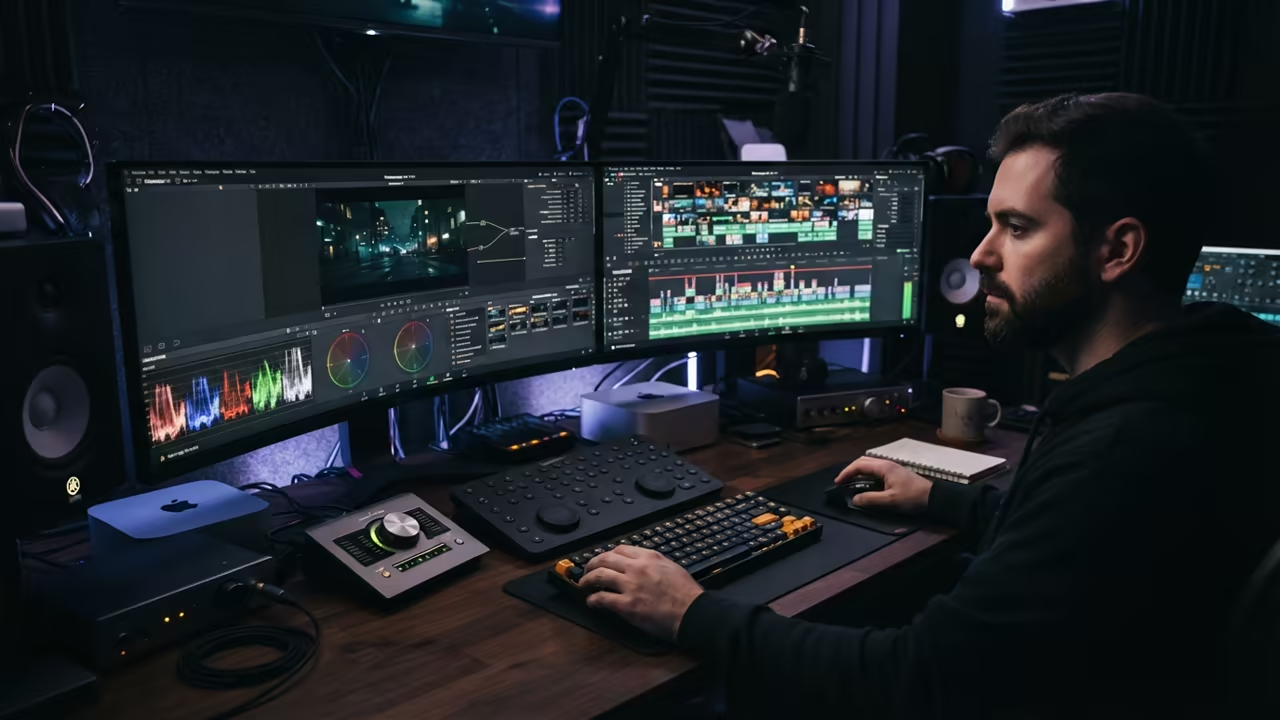
The End of Subscription Bloat in Video Editing
The creative industry is currently trapped in a cycle of expensive subscriptions and bloated software. Professional editors face constant crashes and heavy resource drains that kill their actual productivity.
Disclaimer: I may earn a commission from purchases made through these links at no extra cost to you.


FilmCraft solves this by rebuilding the nonlinear editing experience from the ground up using Rust. This architectural shift eliminates the memory leaks common in legacy video suites.
The High Performance Experience
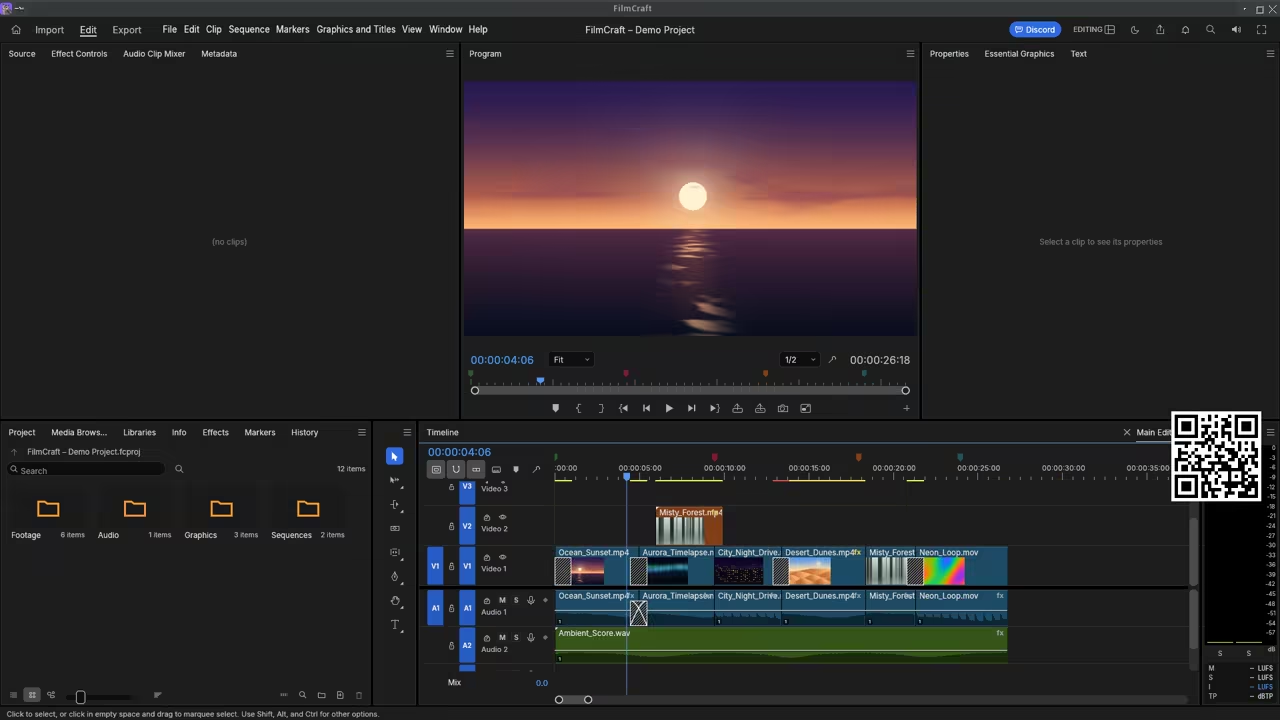
Implementing this tool feels like removing a weight from your system resources. The interface is lean and responds instantly to timeline scrubs and trim commands.
The sheer speed of the native Rust execution provides a fluid editing rhythm. You can finally manipulate complex sequences without the dreaded spinning wheel of death.
This level of optimization reminds me of my previous deep dives into ROCm acceleration. Achieving this kind of low level control is essential for high resolution video workflows.
Professional Grade Toolsets
Professional features like color coded markers and CSV export for review notes are already active. These tools allow for precise communication between the editor and the client.
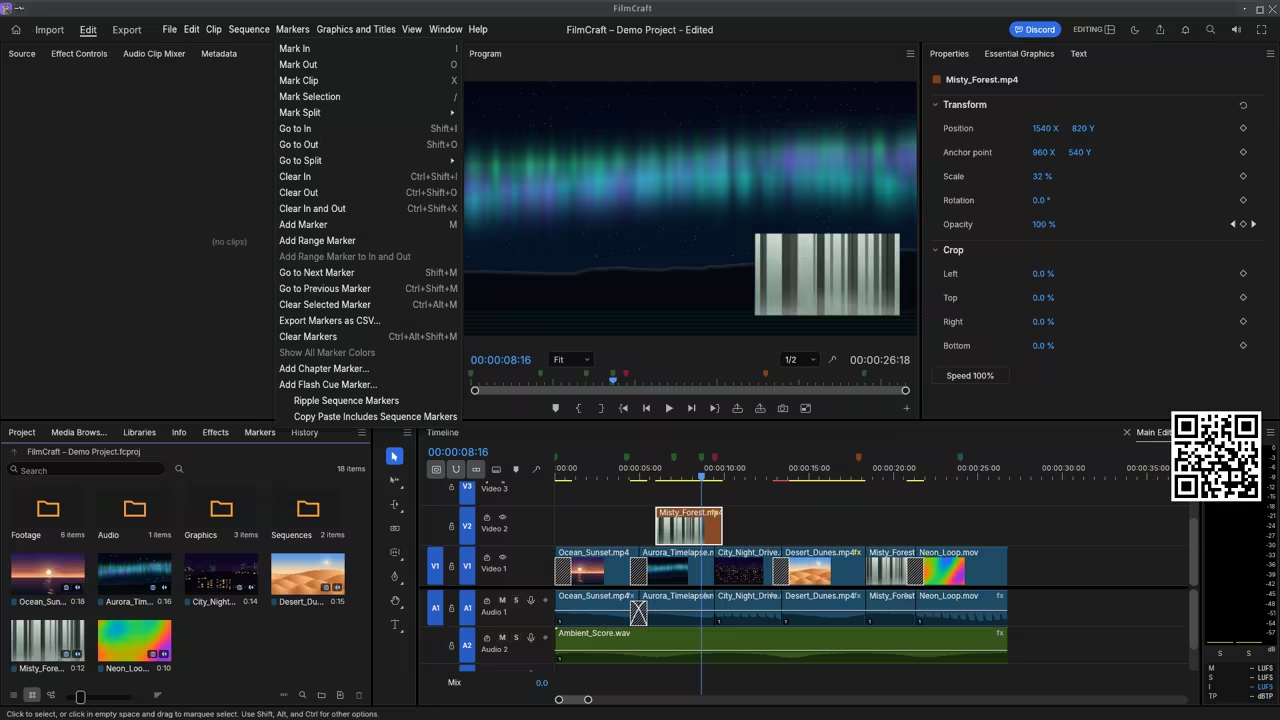
The source and program monitors provide a familiar layout for those coming from Adobe. However the underlying engine is designed for a new era of AI integration.
Integrating the Model Context Protocol allows for a more seamless flow between AI generation and editing. This is a massive leap forward for creators using generative video models.
Technical Insider Secrets
An insider secret for maximum performance involves the compilation process. Always use the release flag to enable full compiler optimizations for the Rust binary.
The following command ensures that the application runs at peak efficiency on your hardware.
git clone https://github.com/storytold/filmcraft.git
cd filmcraft
cargo run --release -p filmcraft
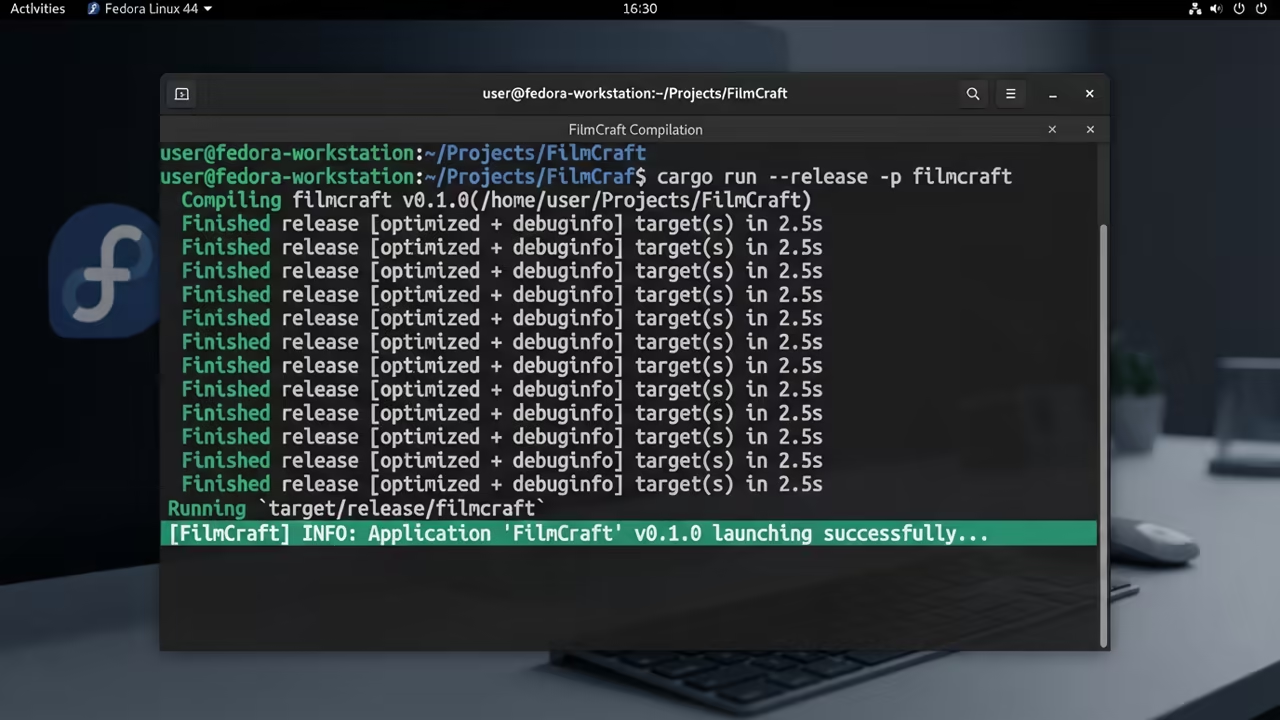
Avoid using the standard run command during actual editing sessions. The release build significantly reduces CPU overhead and improves frame rendering speeds.
| Parameter | Description | Value |
|---|---|---|
| Core Language | Programming language used for the engine | Rust |
| License | Software distribution model | Open Source |
| AI Integration | Native AI protocol support | Native MCP |
| Resource Use | Typical system memory footprint | Low |
| Parameter | Description | Value |
Architectural Breakthroughs
This efficiency aligns perfectly with the architectural breakthroughs we explored in my Raspberry Pi optimization guides. Minimizing overhead is the only way to maintain stability in complex projects.
The current state of the project is an ambitious climb toward full feature parity. It already handles the essential trim modes required for professional post production.
The ability to export markers as CSV files streamlines the feedback loop. This removes the need for manual timestamping in external documents.
You can dive deeper into the source code to customize the engine for specific needs. The open nature of the project invites technical mastery and community contribution.
Learning and Support
Reach out for personalized technical help to optimize your editing workstation. Dive deeper into these systems with our specialized online tutorials.
Online Tutorials and Technical Help: https://ojambo.com/contact
🚀 Recommended Resources
Disclosure: Some of the links above are referral links. I may earn a commission if you make a purchase at no extra cost to you.
Leave a Reply