
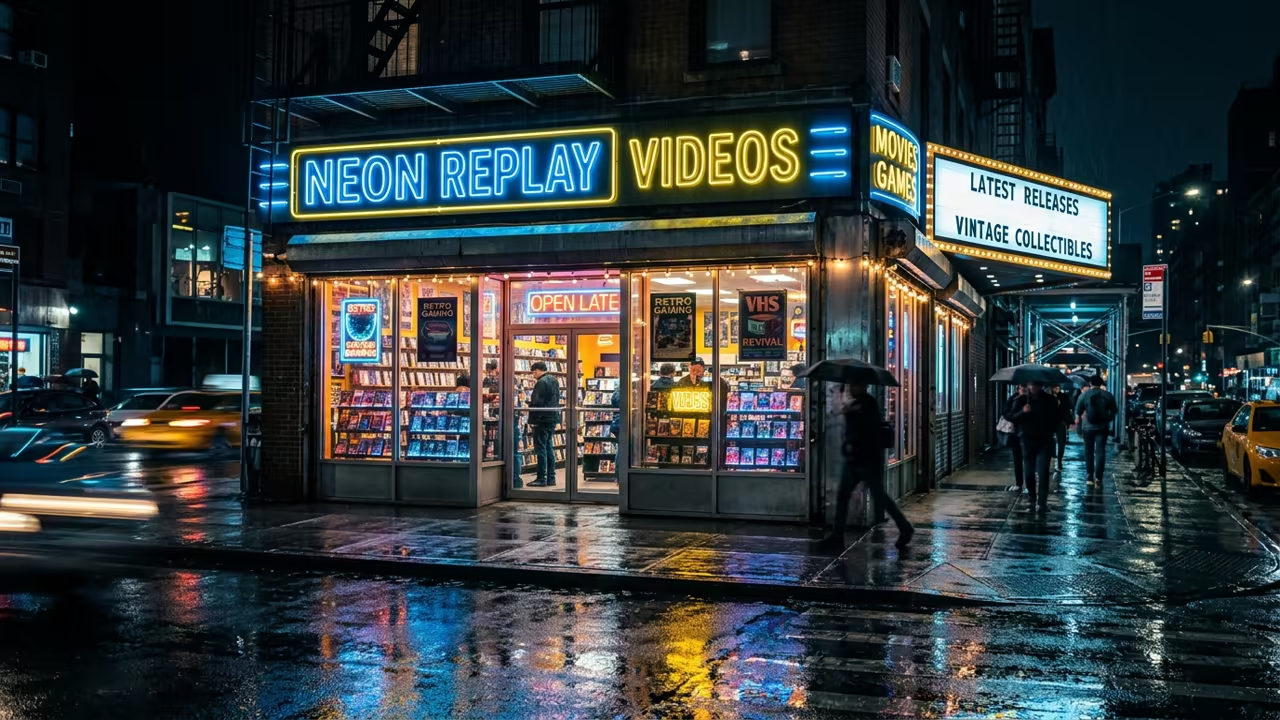
The Architecture Of Physical Media Distribution
Modern streaming services provide a seamless experience but they ignore the brutal logistics of physical media. The system architecture of the video rental giant relied on core metrics such as inventory turnover and revenue per square foot. Operational parameters included a strict title density and a high volume distribution cycle from studios to stores. This historical baseline reveals how physical caching once dominated the entertainment industry.
Managing a physical rental node required absolute precision in asset tracking and circulation to maintain operational metrics.
Disclaimer: I may earn a commission from purchases made through these links at no extra cost to you.


Distributed Node Engineering
The engineering of this empire relied on a distributed hardware model with thousands of retail nodes. Each store functioned as a local cache for the most popular media assets of the era. These nodes were synchronized using centralized warehouse management software to optimize stock.
This system ensured that high demand titles were replicated across the network to prevent stockouts. The rush of a Friday night release window was essentially a physical denial of service attack on a retail store. It required a robust logistics framework to manage the surge in traffic.
Hardware Specifications And Deployment
The hardware components of the stack were rugged and designed for high frequency interaction. The following list details the primary equipment used to maintain the system.
- Handheld barcode scanners for rapid inventory audits
- Point of Sale terminals with integrated database queries
- Magnetic tape and optical disc storage media
- Automated warehouse conveyor systems for rapid sorting
Setting up a new rental node followed a strict sequential engineering process to ensure maximum return on investment.
- Analyze local demographic data to determine optimal store footprint size
- Install high density shelving units to maximize title density per square foot
- Seed the initial inventory using the regional distribution hub priority list
- Configure the Point of Sale system to link with the central warehouse management core
One technical observation involves the Availability Ratio used to manage hit movie releases where stores stocked an aggressive number of copies to maintain a high success rate.
Revenue Algorithms And Operational Logic
The revenue engine was powered by a specific late fee algorithm that penalized slow returns. This technical choice turned a logistics failure into a massive profit center for the business. The logic followed a simple conditional check based on the return date and the grace period.
This ensured a steady stream of passive income regardless of the actual rental volume. This architectural approach mirrors the challenges found in distributed caching where the physical store was essentially a read only mirror of the central studio distribution center.
| Parameter | Blockbuster Physical | Netflix Early Mail |
|---|---|---|
| Delivery Latency | Instant Local | Three to Five Days Post |
| Storage Cost | High Retail Real Estate | Low Warehouse |
| Inventory Model | Local Cache | Centralized Hub |
| Revenue Driver | Late Fees | Subscription Fee |
The shift to digital streaming represents a transition from physical caching to cloud based delivery. Understanding this legacy system provides critical insights into modern content delivery network design. Implementing a high availability physical network requires a balance of logistics and data precision.
Learning And Support
Reach out today for personalized technical help with your own infrastructure projects. Dive deeper into our online tutorials to master the professional tech stack.
🚀 Recommended Resources
Disclosure: Some of the links above are referral links. I may earn a commission if you make a purchase at no extra cost to you.
Leave a Reply