
| Prep Time | 4 Hours |
| Cook Time | 25 Minutes |
| Yield | 2 Loaves |
| Target Temperature | 76 Degrees Fahrenheit |
The pursuit of the perfect loaf is a journey into high fidelity audio and tactile precision. Within the sensory archive of The Bakery and The Pull, the high hydration ciabatta stands as a pinnacle of sensory triggers. This process transforms simple ingredients into a complex network of air and protein.
TECHNICAL SPECIFICATIONS
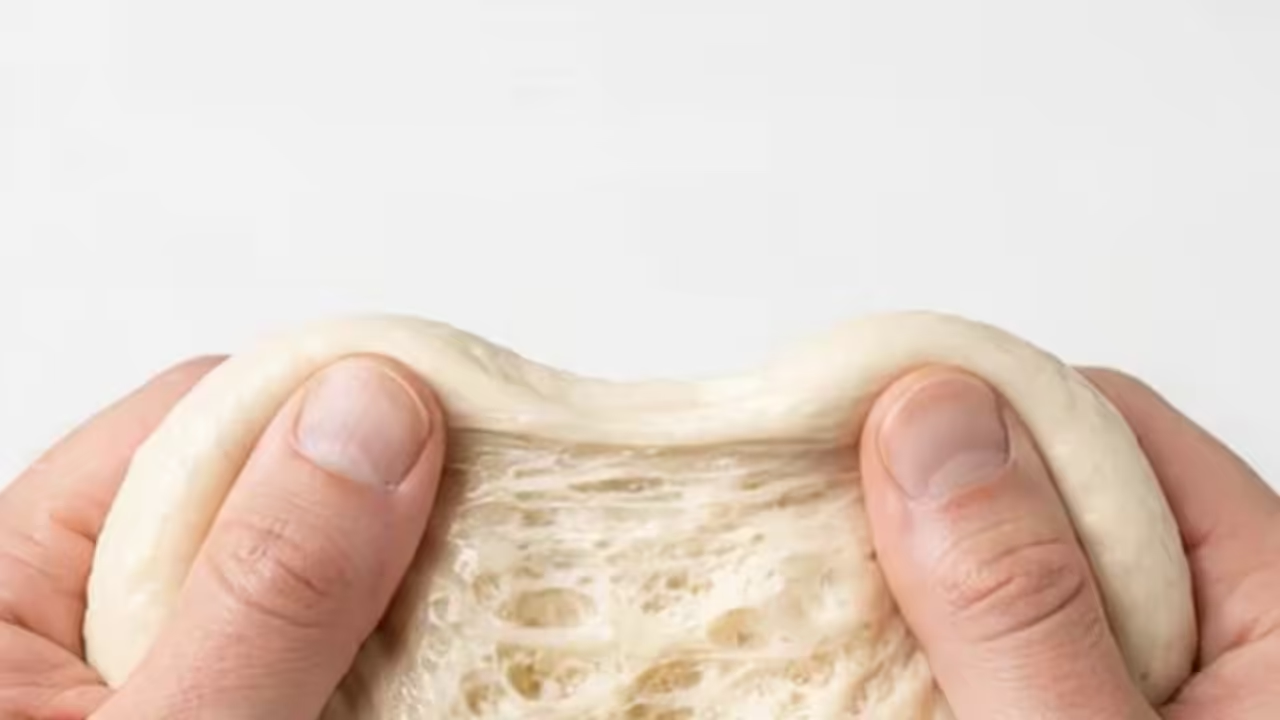
The secret to a professional ciabatta loaf begins with the gluten network. High hydration dough requires a specific approach to develop strength. The windowpane stretch is the ultimate test for this structural integrity.
It is essential to understand how proteins bond during the mixing phase. Water acts as the catalyst for these molecular connections. A strong network allows the dough to hold large gas bubbles.
The sensory experience of this process is truly visceral. You can hear the wet tension as the dough expands. It is a soft tacky sound that signals protein alignment.
SONIC TEXTURES
Listen closely to the rhythmic pull of the hydrated dough. There is a delicate suction sound when the dough leaves the skin. This sonic trigger confirms the elasticity of the gluten.
The sound of a successful stretch is nearly silent but intense. It is a slow stretching noise like silk being pulled. This auditory detail is a hallmark of the ASMR baking experience.
A weak dough will make a sharp tearing sound. That snap indicates that the gluten chains are breaking too early. The perfect stretch is a silent glide toward translucency.
CHEF DETAILS
One critical observation is the timing of the bulk fermentation. The dough must reach a volume increase of fifty percent. This ensures the enzymes have broken down the starches properly.
Temperature guidance is vital for consistent results in the bakery. The internal dough temperature should stay around seventy six degrees. This range optimizes the yeast activity for an open crumb.
INGREDIENTS AND EQUIPMENT
| Item | Quantity | Purpose |
|---|---|---|
| Bread Flour | 500 Grams | Protein Source |
| Warm Water | 375 Milliliters | Hydration |
| Fine Sea Salt | 10 Grams | Flavor and Strength |
| Instant Yeast | 3 Grams | Leavening Agent |
| Digital Scale | 1 Unit | Precision Measurement |
| Bench Scraper | 1 Unit | Dough Handling |
| Large Bowl | 1 Unit | Mixing Vessel |
METHODOLOGY
- Begin by combining the flour and water in a large bowl.
- Use a light hand to incorporate the ingredients without overworking them.
- Let the mixture rest for thirty minutes to allow autolysis.
- Add the salt and yeast after the initial resting period.
- Perform a series of stretch and fold maneuvers every thirty minutes.
- The final stage is the windowpane test itself.
- Gently pull a small piece of dough between your fingers.
- Aim for a membrane that is thin and translucent.
SENSORY OBSERVATIONS
The visual transition is a hypnotic experience for the baker. The opaque cream color shifts into a frosted glass appearance. This translucency proves that the gluten is fully developed.
The tactile sensation is one of soft resistance. The dough feels like a living organism under the fingertips. It is a supple and elastic mass of protein.
The final result is a loaf with massive irregular holes. These pockets are the result of a strong windowpane structure. The crust should offer a loud shatter when sliced. Explore the Full Sensory Archive
🚀 Recommended Resources
Disclosure: Some of the links above are referral links. I may earn a commission if you make a purchase at no extra cost to you.